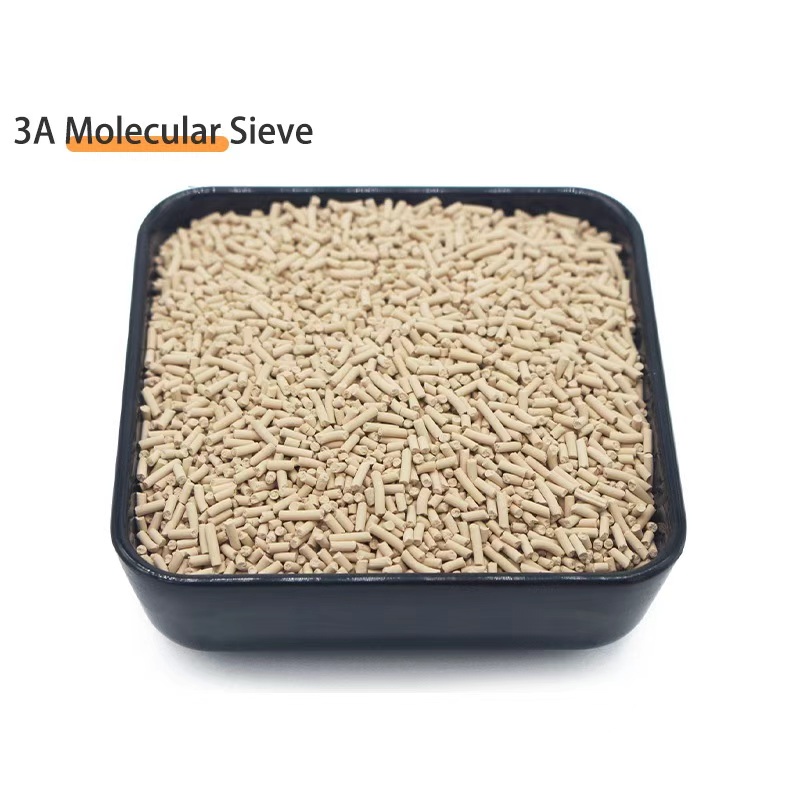
Molecular Sieve Nedir?
Moleküler elekler, 3 ila 10 angström arasında hassas ve düzenli gözenek açıklıklarına sahip sentetik kristal alüminosilikatlardır (zeolitler). Gözenek boyutları dağılım gösteren silika jel veya aktif alüminadan farklı olarak, moleküler elekler sabit bir gözenek çapına sahiptir ve gözenek boyutundan küçük molekülleri seçici olarak adsorbe ederken daha büyük olanları dışarıda bırakır. Bu özellikleri, onları endüstriyel gaz ve sıvı kurutma için mevcut en hassas adsorbanlar haline getirir.
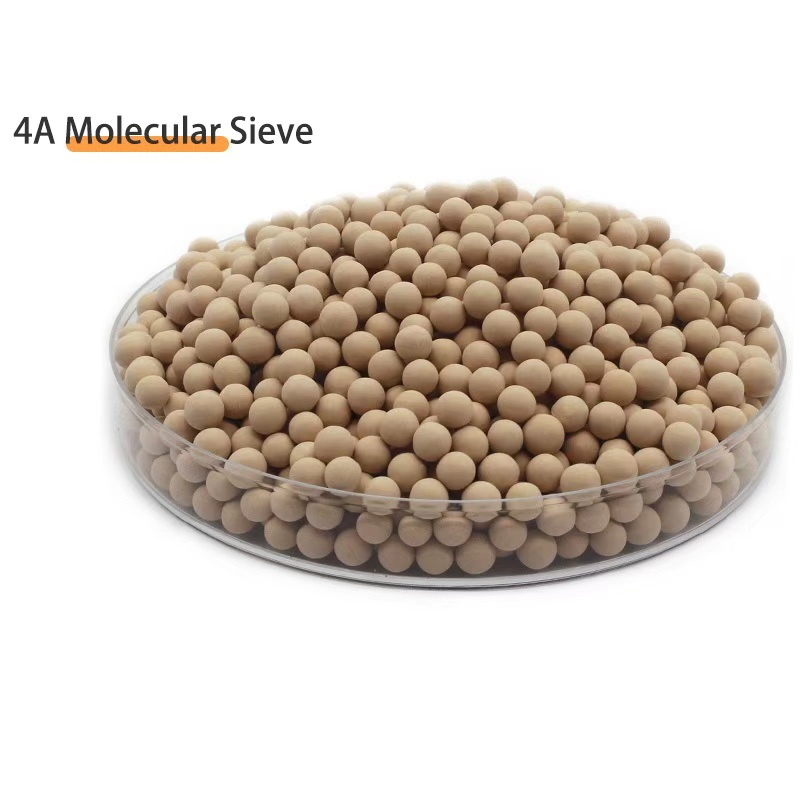
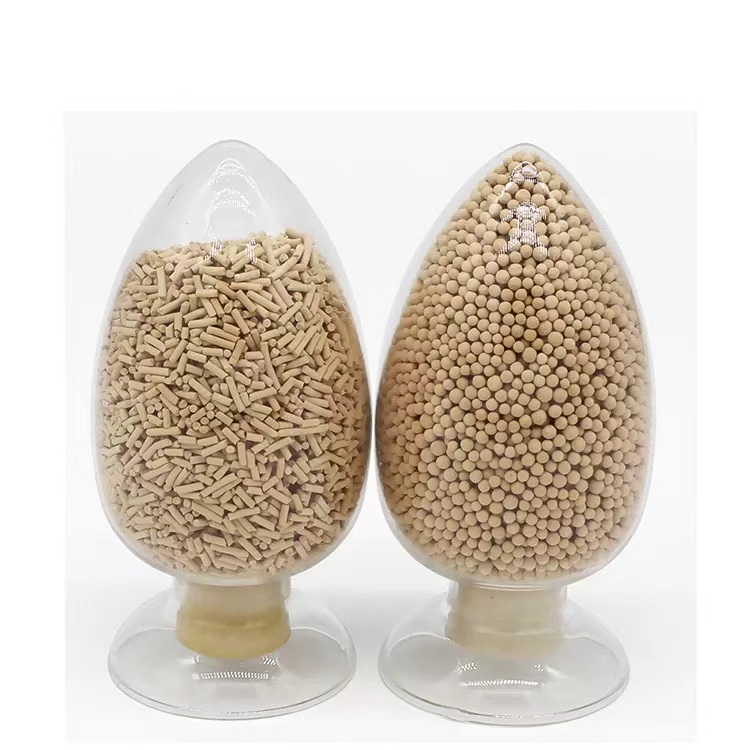
Dört standart ticari sınıf (3A, 4A, 5A, 13X) gözenek boyutu ve katyon formunda farklılık gösterir; her biri belirli uygulamalar için optimize edilmiştir. Aluminaworld, dört sınıfın tamamını ISO 9001 sertifikalı tesisimizde, gözenek boyutu dağılımı, yığın yoğunluğu, kırılma dayanımı ve su adsorpsiyon kapasitesi üzerinde sıkı kalite kontrolü ile üretmektedir.
Teknik Özellikler
Dört Standart Sınıf Karşılaştırması
| Parametre | 3A | 4A | 5A | 13X |
|---|---|---|---|---|
| Gözenek Boyutu (Å) | 3 | 4 | 5 | 10 |
| Katyon Formu | Potasyum (K⁺) | Sodyum (Na⁺) | Kalsiyum (Ca²⁺) | Sodyum (Na⁺) |
| Yığın Yoğunluk (g/ml) | ≥0.65 | ≥0.65 | ≥0.65 | ≥0.62 |
| Ezilme Dayanımı (N/adet) | ≥30 | ≥30 | ≥30 | ≥30 |
| Su Adsorpsiyonu (%) | ≥20 | ≥22 | ≥22 | ≥28 |
| Aşınma Oranı (ağ.%) | ≤0.2 | ≤0.2 | ≤0.2 | ≤0.2 |
| Parçacık Boyutu (mm) | 1.6-2.5 / 3-5 / Özel 4-6 / 5-8 | |||
| Renk | Bej / Off-beyaz küreler | |||
Mevcut Standart Parçacık Boyutları
- 1.6-2.5mm boncuklar — Endüstriyel kurutucular ve PSA üniteleri için standart
- 3-5mm boncuklar — Daha büyük yataklar, daha düşük basınç düşüşü, daha uzun temas süresi
- 4-6mm boncuklar — Toplu endüstriyel kurutma kuleleri
- 5-8mm peletler — Ekstra büyük yataklar, derin kurutma
- Peletler 1,5mm veya 3mm — Yüksek basınçlı uygulamalar için özel ekstrüde form
Dört Sınıf ve Uygulamaları
3A Moleküler Elek — Polar Sıvıların ve Doymamış Hidrokarbonların Kurutulması
3A elekler, 4A'nın potasyum ile iyon değişimiyle üretilen 3 angstrom gözeneklere sahiptir. Suyu adsorbe eder, ancak 3Å'den büyük molekülleri (etanol, etilen, propilen vb.) dışarıda bırakarak polar ve doymamış bileşiklerin ürün kaybı olmadan kurutulması için idealdir.
- Kraking gazı kurutma (C2, C3, C4 olefin/parafin akışları etilen tesislerinde)
- Etanol dehidrasyonu saf dereceye (200 proof, %0,1'den az su)
- Poliolefin üretimi — etilen/propilen beslemesinden su giderimi (1 ppm'den az)
- Soğutucu kurutma (R12, R22, R134a, R410a)
- Doğalgaz derin nem alımı düşük ve orta basınçta
- Yalıtım camı nem alıcı spacer (ara bölücü)
4A Moleküler Elek — Evrensel Endüstriyel Nem Alıcı
4A en yaygın kullanılan grade olup, 4Å gözenekleriyle su, CO₂, NH₃, H₂S ve küçük polar molekülleri adsorbe eder. Doğal gaz, hava ayrımı, basınçlı hava ve genel endüstriyel gaz kurutma uygulamalarında temel kurutucu olarak kullanılır.
- Doğal gaz dehidrasyonu boru hattı spesifikasyonuna göre (MMSCF başına <1 lb su)
- PSA oksijen/azot üretimi — besleme havasının ön kurutulması
- Basınçlı hava kurutma -40°C basınç çiğlenme noktasına kadar
- Klima soğutucu akışkan kurutucu
- İlaç paketleme birincil kurutucu olarak
- Poliüretan köpük nem tutucu
5A Moleküler Elek — n-/izo-Parafin Ayırma
5A elekler, 4A'nın kalsiyum ile iyon değişimiyle üretilen 5Å gözeneklere sahiptir. İzo-parafinler ve aromatikleri dışlarken normal parafinleri (n-alkanlar) adsorbe eder; bu da rafinerilerde hidrokarbon ayırma için standart seçim olmalarını sağlar.
- n-/izo-parafin ayırma rafineri akışlarında (C10-C14 normal/izo alkan ayırma)
- Hidrojen saflaştırma Basınç Salınımlı Adsorpsiyon (PSA) ile
- Oksijen üretimi havadan (yüksek saflıkta O₂ için 13X alternatifidir)
- Petrokimyasal hammadde saflaştırma
13X Moleküler Elek — Toplu CO₂ ve H₂S Giderimi
13X en büyük gözenek boyutuna (10Å) sahiptir ve gaz akışlarından su, CO₂, H₂S ve merkaptanların toplu gideriminde kullanılır. Hava ayırma üniteleri ve doğal gaz tatlandırma için standarttır.
- Hava ayırma üniteleri (ASU) — kriyojenik distilasyon öncesi besleme havasının ön temizliği
- Doğal gaz tatlandırma — boru hattı spesifikasyonuna uygun CO₂ ve H₂S giderimi
- LPG saflaştırma — kükürt bileşiklerinin ve nemin giderimi
- Katalizör yatağı koruması proseslerin geri kalanında
- Medikal oksijen konsantratörleri (PSA)
Diğer Kurutucularla Karşılaştırma
| Özellik | Moleküler Elek | Silika Jel | Aktive Alümina |
|---|---|---|---|
| Gözenek Tipi | Tek Düze (3-10Å) | Dağılım (20-30Å ortalama) | Dağılım (değişken) |
| Çiğlenme Noktası Erişilebilirliği | -90°C ila -100°C | -40°C | -50°C |
| Su Kapasitesi (ağ%) | 20-28% | 35-40% | 25-30% |
| Rejenerasyon Sıcaklığı | 200-300°C | 120-150°C | 180-250°C |
| Kırma Dayanımı | Yüksek (≥30 N) | Düşük (granüller kırılır) | Yüksek (≥130 N) |
| En İyi Kullanım | Derin kurutma, seçici | Dökme kurutma, gıda uygun | Hava kurutma, flor giderimi |
| Maliyet (göreceli) | Orta-Yüksek | Düşük | Düşük-Orta |
Sıkça Sorulan Sorular
S: Moleküler elek 3A, 4A, 5A ve 13X arasındaki fark nedir?
C: Dört grade gözenek boyutu ve katyon formunda farklılık gösterir. 3A (3Å, potasyum) etilen ve etanol gibi doymamış hidrokarbonların kurutulmasında kullanılır. 4A (4Å, sodyum) doğalgaz ve basınçlı hava için evrensel kurutucudur. 5A (5Å, kalsiyum) normal parafinleri izo-parafinlerden ayırır. 13X (10Å, sodyum) hava ayırma ünitelerinde CO₂ ve H₂S'yi toplu olarak uzaklaır.
S: Moleküler eleğin rejenerasyon öncesi ömrü ne kadardır?
C: Tipik çevrim ömrü, besleme gazı nem yüküne ve çalışma sıcaklığına bağlı olarak 2-4 yıldır. Rejenerasyon, azot süpürmesi altında 200-300°C'ye ısıtılarak (TSA — Sıcaklık Salınımı Adsorpsiyonu) veya basınç düşürülerek (PSA — Basınç Salınımı Adsorpsiyonu) gerçekleştirilir. 50-100 rejenerasyon çevriminden sonra çalışma kapasitesi %10-20 oranında azalabilir; bu durum değiştirme zamanının geldiğini gösterir.
S: Minimum sipariş miktarı ve teslim süresi nedir?
C: Minimum sipariş miktarı: 500 kg stok spesifikasyonları için geçerlidir. Teslim süresi: 7-15 gün stok granülleri (3A, 4A standart boyutlar 1,6-2,5 mm ve 3-5 mm) için ve 15-25 gün özel gözenek boyutları veya partikül boyutları için. 1-2 kg ücretsiz numune 3 gün içinde DHL/FedEx ile gönderilir.
S: Moleküler elek yenilenebilir mi?
C: Evet — bu, moleküler eleğin temel avantajlarından biridir. İki yöntem: (1) PSA (Basınç Salınımlı Adsorpsiyon) basıncı atmosferik seviyeye yakın değerlere düşürür — hızlı çevrim (dakikalar), oksijen konsantratörlerinde kullanılır; (2) TSA (Sıcaklık Salınımlı Adsorpsiyon) kuru süpürme gazı ile 200-300°C'ye ısıtır — daha yavaştır (saatler) ancak ppm seviyesine kadar daha derin rejenerasyon sağlar. Endüstriyel kurutucular genellikle her iki yöntemi birleştirir.
S: Raf ömrü ve depolama gereksinimi nedir?
C: Raf ömrü 3+ yıl ağız sıkı kapatılmış orijinal ambalajında kuru bir ortamda (<%60 bağıl nem) saklanması koşuluyla. Açıldıktan sonra elek ortamdaki nemi emmeye başlar ve hızla kullanılmalı ya da kuru koşullarda tekrar kapatılmalıdır. Açılmış ambalajların nem alıcı (desikant) ile birlikte hava geçirmez kaplarda muhafaza edilmesini öneriyoruz.
Ambalaj ve Teslimat
- Standart: PE iç astarlı (nem geçirmez) 25 kg kraft kağıt torbalar
- Dökme: Tam konteyner siparişleri için 500 kg / 1000 kg jumbo çuvallar
- Mühürlü çelik variller Aşırı neme duyarlı uygulamalar için (200L) mevcuttur
- Konteyner yüklemesi: Paletli 20'FCL başına 20MT, dökme 40'FCL başına 24MT
- Teslim süresi: Stok kaliteleri için 7-15 gün, özel üretim için 15-25 gün
- Belgeler: COA (Analiz Sertifikası), MSDS, ISO 9001 sertifikası, ticari fatura, paketleme listesi, Konşimento
- Sevkiyat şartları: FOB Qingdao / CIF / CFR / DDP mevcuttur
Nasıl Sipariş Verilir
Bize uygulamanızı, gerekli gözenek boyutunu (3A / 4A / 5A / 13X), tercih edilen parçacık boyutunu, aylık miktarı ve teslimat adresinizi bildirin. Mühendislerimiz doğru sınıfı önerecek ve 2 saatiçinde rekabetçi bir teklif sunacaktır. Toplu sipariş öncesinde test ve kalifikasyon için ücretsiz 1-2 kg numune mevcuttur.