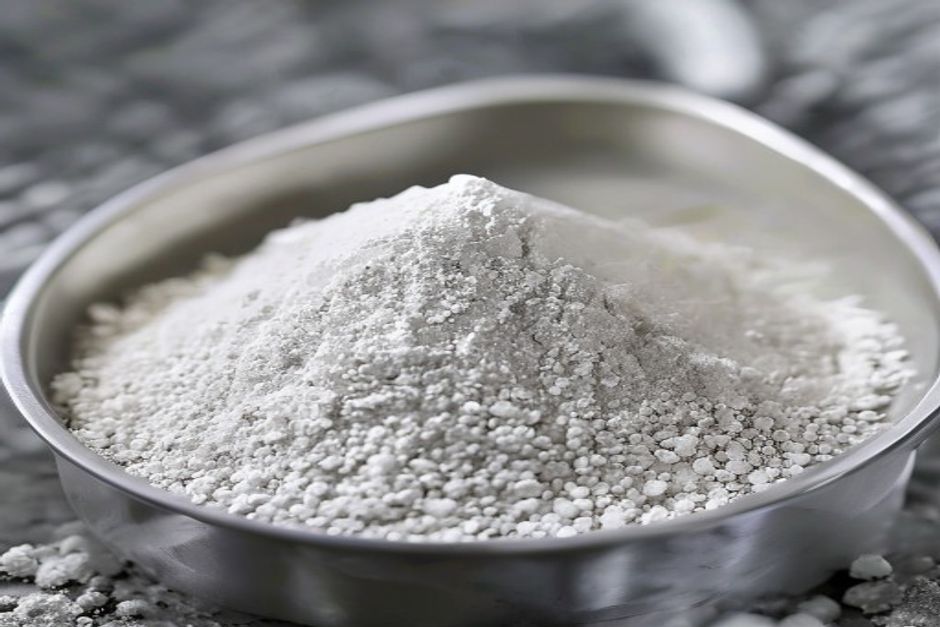
¿Qué es el Hidróxido de Aluminio (ATH)?
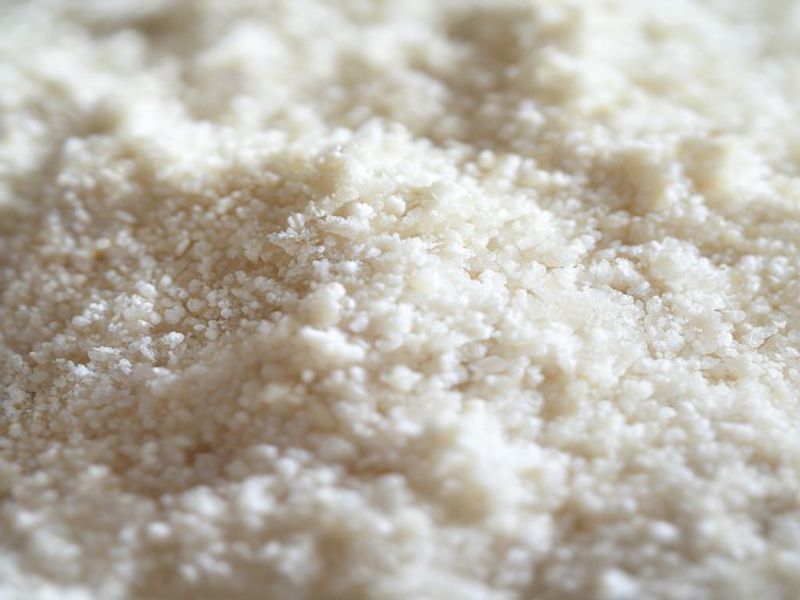
El hidróxido de aluminio, con fórmula química Al(OH)₃, es un polvo inorgánico blanco y el más ampliamente utilizado retardante de llama no tóxico en el mundo. Cuando se calienta por encima de 200 °C, se descompone endotérmicamente en óxido de aluminio (Al₂O₃) y vapor de agua:
2 Al(OH)₃ → Al₂O₃ + 3 H₂O (ΔH ≈ +1.000 kJ/kg)
Esta descomposición absorbe calor (enfriando el polímero), libera vapor de agua (diluyendo los gases inflamables) y deja un residuo cerámico protector. La combinación de estos tres mecanismos proporciona al ATH un excelente comportamiento como retardante de llama sin el humo tóxico que generan los retardantes halogenados.
El ATH está aprobado por la FDA para contacto con alimentos, cumple con REACH en Europa y está clasificado como no peligroso según el SGA. Es el retardante de llama preferido para cables LSZH (Low Smoke Zero Halogen), aplicaciones de electrónica y electricidad, productos de construcción y cualquier uso en el que el humo tóxico suponga un riesgo para la seguridad.
Especificaciones Técnicas
Grados Estándar de ATH — Tres Niveles de Pureza
| Parámetro | Estándar | Alta Pureza | Blanco Ultra |
|---|---|---|---|
| Al(OH)₃ (%) | ≥99.5 | ≥99.7 | ≥99.8 |
| SiO₂ (%) | ≤0.02 | ≤0.01 | ≤0.005 |
| Fe₂O₃ (%) | ≤0.02 | ≤0.01 | ≤0.005 |
| Na₂O (%) | ≤0.30 | ≤0.20 | ≤0.10 |
| CaO (%) | ≤0.03 | ≤0.02 | ≤0.01 |
| Blancura (R457) | ≥93 | ≥96 | ≥98 |
| Humedad (%) | ≤0.3 | ≤0.2 | ≤0.2 |
| Gravedad Específica (g/cm³) | 2.40 | 2.40 | 2.40 |
| Dureza Mohs | 2.5-3.0 | 2.5-3.0 | 2.5-3.0 |
| Temperatura de Descomposición (°C) | 200-220 | 200-220 | 200-220 |
| Pérdida de Agua a 200 °C (%) | ≤0.3 | ≤0.2 | ≤0.2 |
Tamaños Estándar de Partícula
| Grado | D50 (μm) | Corte Superior (μm) | Aplicación Principal |
|---|---|---|---|
| ATH-1 | 1.0-1.5 | ≤10 | Cable LSZH premium, FRP de alto brillo |
| ATH-2 | 2.0-3.0 | ≤15 | Compuestos estándar para cables, mármol artificial |
| ATH-5 | 5.0-7.0 | ≤25 | Productos de caucho, bandas transportadoras |
| ATH-10 | 10-15 | ≤45 | Plásticos termoestables de uso general |
| ATH-25 | 20-25 | ≤75 | Aplicaciones sensibles al costo, cargas |
Opciones de tratamiento superficial
| Tratamiento | Ideal para | Reducción de carga |
|---|---|---|
| Sin recubrimiento | Termoestables (UP, EP), base acuosa | — |
| Vinil silano | Compuestos para cables PE, XLPE, EVA | 20-30% |
| Amino silano | Resina epoxi, poliuretano, fenólica | 20-30% |
| Ácido esteárico | PP, PE, uso general (bajo costo) | 10-15% |
| Titanato | Polímeros de alta temperatura | 25-35% |
Seis principales aplicaciones industriales
1. Compuestos para Cables LSZH — Mayor Aplicación
ATH es el retardante de llama dominante en compuestos para cables LSZH (Low Smoke Zero Halogen / Baja Emisión de Humos y Libre de Halógenos) utilizados en aislamientos de cables para edificaciones, cables de potencia y cables de datos. La carga típica es de 150-180 phr (partes por cien de resina) en compuestos a base de EVA, logrando clasificación UL94 V-0 con índice de oxígeno >32%. El mercado de ATH en cables supera las 500.000 TM/año a nivel global.
2. Productos de Caucho
ATH se emplea en compuestos de caucho retardantes de llama para bandas transportadoras, cubiertas de cables, juntas y sellos. Una carga de 100-150 phr en EPDM o caucho natural proporciona UL94 V-0 con baja emisión de humo. El ATH con tratamiento superficial mejora la procesabilidad y la dispersión.
3. Poliéster insaturado (FRP y mármol artificial)
El ATH es el retardante de llama primario en poliéster reforzado con fibra de vidrio (FRP) utilizado en paneles de construcción, accesorios de baño y transporte. En mármol artificial (mármol cultivado), una carga de ATH del 40-60% proporciona clasificación de fuego Clase A manteniendo la translucidez y trabajabilidad.
4. Encapsulantes epoxi y laminados PCB
El epoxi cargado con ATH se utiliza como compuesto de potting para transformadores, capacitores y módulos electrónicos. Los laminados PCB utilizan ATH + epoxi para sustratos FR-4 retardantes de llama (UL94 V-0). El tamaño de partícula de 1-5μm es crítico para laminados delgados sin sangrado.
5. Látex y refuerzo de alfombras
El ATH en el respaldo de espuma de látex para alfombras proporciona retardancia de llama sin el humo tóxico de los sistemas de antimonio-bromo. Utilizado en respaldos de alfombras comerciales y espumas de mobiliario contractual.
6. Recubrimientos de Papel y Cartón
El ATH se utiliza como relleno ignífugo en papel y cartón especiales para productos de construcción, embalaje y papel de aislamiento eléctrico.
ATH vs MDH — Guía de Selección
| Propiedad | ATH | MDH |
|---|---|---|
| Fórmula Química | Al(OH)₃ | Mg(OH)₂ |
| Temperatura de Descomposición | 200°C | 330°C |
| Pérdida de Agua (%) | 34.6 | 31.0 |
| Absorción de Calor (kJ/kg) | ~1,000 | ~1,300 |
| Rendimiento de Carbonilla | Menor | Mayor |
| Costo (relativo) | Inferior | Superior |
| Óptimo para procesamiento <200°C | ✓ | ✓ |
| Óptimo para procesamiento >250°C | ✗ (se descompone durante el procesamiento) | ✓ |
| Blancura | Excelente | Inferior (grisáceo) |
| Aplicaciones comunes | PE, EVA, XLPE, UP, epoxi | PP, PA, PBT, plásticos de ingeniería de alta temperatura |
Preguntas frecuentes
P: ¿Cuál es la diferencia entre ATH y MDH?
R: ATH (Hidrato de Alúmina, Al(OH)₃) se descompone a 200 °C liberando vapor de agua. MDH (Hidróxido de Magnesio, Mg(OH)₂) se descompone a 330 °C. Use ATH para temperaturas de procesamiento por debajo de 200 °C (la mayoría de polímeros, TPE, cables XLPE). Use MDH para temperaturas de procesamiento más altas (PP, PA, PBT) por encima de 250 °C. ATH es más rentable; MDH ofrece mayor rendimiento de carbonilla.
P: ¿Cuánta ATH necesito para la clasificación UL94 V-0?
R: Niveles de carga típicos para UL94 V-0 (espesor de 3,2 mm): compuestos para cables a base de EVA 150-180 phr, polietileno 60-70 % en peso, polipropileno 60-65 % en peso, poliéster insaturado 50-60 % en peso, epoxi 50-60 % en peso. Se recomienda un tamaño de partícula de 1-5μm D50 para el mejor equilibrio entre procesabilidad y comportamiento frente al fuego.
P: ¿Es necesario el tratamiento superficial del ATH para la compatibilidad con polímeros?
R: Sí, el tratamiento superficial mejora significativamente la dispersión del ATH en polímeros y reduce la viscosidad del fundido durante el procesamiento. Tratamientos comunes: vinil silanos (mejor para polietileno y XLPE), aminosilanos (epoxi y poliuretano), ácido esteárico (uso general, bajo costo). El ATH sin recubrimiento es adecuado solo para termoestables y aplicaciones a base de agua.
P: ¿Cuál es el mecanismo de descomposición del ATH?
R: Cuando se calienta por encima de 200°C, el ATH se descompone de forma endotérmica: 2Al(OH)₃ → Al₂O₃ + 3H₂O. La reacción absorbe ~1.000 kJ/kg de calor, enfriando el polímero y ralentizando la descomposición térmica. El vapor de agua liberado diluye los gases combustibles y el oxígeno en la zona de llama. La alúmina residual forma una capa protectora de residuo cerámico. Esta combinación de enfriamiento endotérmico, dilución de gases y formación de residuo carbonoso proporciona una excelente retardancia de llama.
P: ¿Está el ATH aprobado para aplicaciones en contacto con alimentos?
R: Sí, el ATH es FDA-aprobado bajo 21 CFR 184.1240 para uso como aditivo alimentario directo y en materiales en contacto con alimentos. Es ampliamente utilizado en films para envasado de alimentos, recubrimientos de papel y botellas de HDPE. Cumplimiento europeo: aprobado bajo Regulación UE 10/2011 para materiales plásticos en contacto con alimentos. El ATH también cuenta con certificaciones Kosher y Halal.
Embalaje y Entrega
- Estándar: Bolsas de papel multicapa de 25 kg con revestimiento interior de PE (a prueba de humedad)
- A granel: Bolsas jumbo de 500 kg / 1000 kg para pedidos de contenedor completo
- Super sacos: Disponible para pedidos ≥20 TM
- Carga de contenedor: 22-25 TM por 20'FCL con palés, 25 TM por 40'FCL a granel
- Plazo de entrega: 10-15 días para grados en stock, 20-30 días para tamaño de partícula personalizado o tratamiento superficial
- Documentos: COA (con PSD), MSDS, ISO 9001, cumplimiento REACH, carta de cumplimiento FDA, factura comercial, B/L
- Términos de envío: FOB Qingdao / CIF / CFR / DDP disponible
Cómo Pedir
Indíquenos su aplicación (cable LSZH / caucho / FRP / mármol artificial / otro), pureza requerida de Al(OH)₃ (99,5 / 99,7 / 99,8%), tamaño de partícula (D50), tratamiento superficial (sin recubrimiento / silano / esteárico), cantidad mensual y destino de entrega. Nuestros ingenieros recomendarán el grado adecuado y le proporcionarán una cotización competitiva en un plazo de 2 horas. Muestras gratuitas de 1-2 kg disponibles para pruebas de comportamiento al fuego.