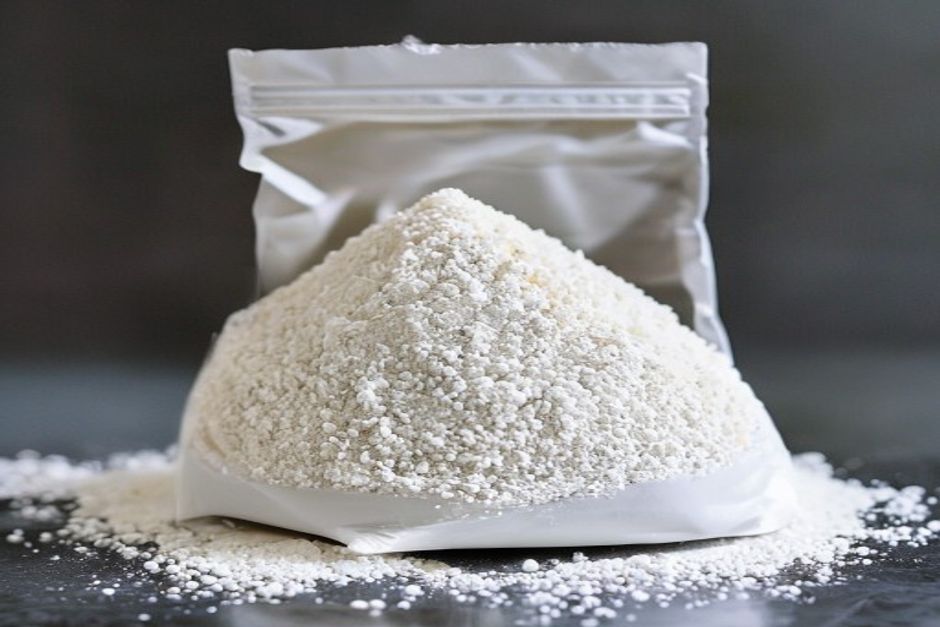
What is Calcined Alumina?
Calcined alumina is a high-purity aluminum oxide (Al₂O₃) powder produced by calcining aluminum hydroxide (gibbsite, Al(OH)₃) at controlled temperatures between 1200-1400°C. The calcination process drives off chemically bound water and transforms the crystal structure into the stable alpha phase (α-Al₂O₃ or corundum). The resulting product has exceptional hardness (Mohs 9, second only to diamond), high melting point (2050°C), excellent chemical inertness, and superior electrical insulation.
Calcined alumina is widely used as a premium raw material in technical ceramics, polishing compounds, refractory castables, and wear-resistant parts. Aluminaworld produces calcined alumina with strict control on Al₂O₃ purity (99.0-99.7%), alpha-phase content (95%+), particle size distribution, and impurity levels (SiO₂, Fe₂O₃, Na₂O).
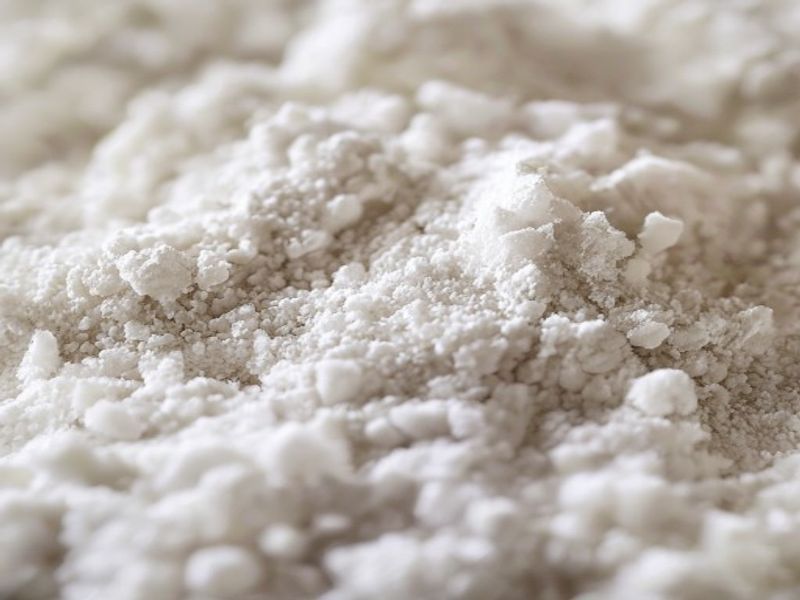
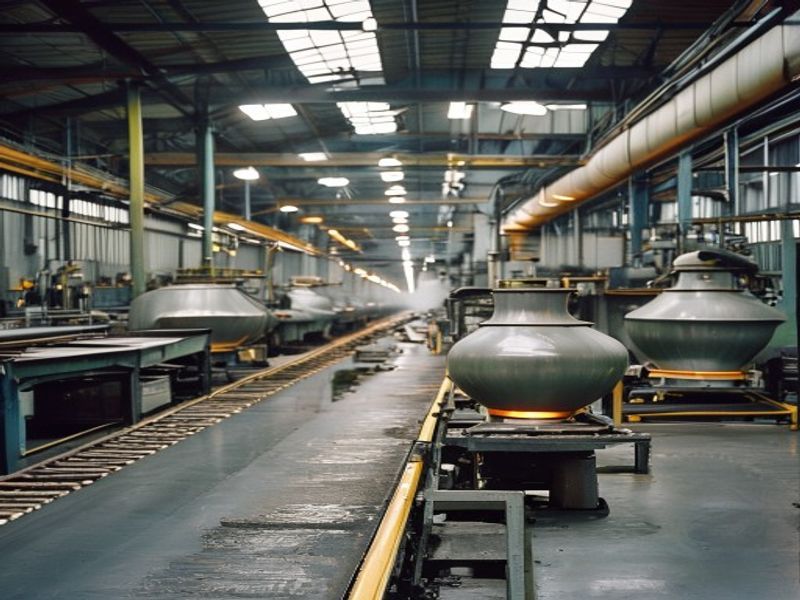
Calcined Alumina vs Tabular Alumina
Calcined Alumina (Standard Grade)
Produced by calcining aluminum hydroxide at 1200-1400°C, calcined alumina is the workhorse material for most ceramic and refractory applications. Available in multiple purity grades (99.0%, 99.5%, 99.7% Al₂O₃) and particle sizes from 200 mesh to sub-micron grades.
Tabular Alumina (Premium Grade)
Tabular alumina is a specialized, super-dense form of alpha alumina produced by sintering calcined alumina at extreme temperatures (1700-1800°C) until the crystals grow into large, plate-like (tabular) shapes. Tabular alumina has near-zero porosity (less than 2%), exceptional thermal shock resistance, and very high alpha content (99%+). Used in premium castables, refractory bricks, and high-performance wear parts.
Technical Specifications
Calcined Alumina — Three Standard Grades
| Parameter | Standard (99.0%) | High Purity (99.5%) | Ultra Pure (99.7%) |
|---|---|---|---|
| Al₂O₃ (%) | ≥99.0 | ≥99.5 | ≥99.7 |
| SiO₂ (%) | ≤0.10 | ≤0.05 | ≤0.03 |
| Fe₂O₃ (%) | ≤0.05 | ≤0.03 | ≤0.02 |
| Na₂O (%) | ≤0.40 | ≤0.20 | ≤0.10 |
| CaO (%) | ≤0.05 | ≤0.03 | ≤0.02 |
| MgO (%) | ≤0.05 | ≤0.03 | ≤0.02 |
| TiO₂ (%) | ≤0.005 | ≤0.003 | ≤0.002 |
| Alpha Phase (%) | ≥90 | ≥95 | ≥97 |
| True Density (g/cm³) | ≥3.90 | ≥3.93 | ≥3.95 |
| Bulk Density (g/cm³) | 0.8-1.1 | 0.8-1.1 | 0.8-1.1 |
| Specific Surface (m²/g) | ≤2.0 | ≤1.5 | ≤1.0 |
| Standard Mesh Sizes | 200 / 325 / 400 / 600 / 800 / 1250 mesh | ||
Tabular Alumina — Premium Specifications
| Parameter | Specification |
|---|---|
| Al₂O₃ (%) | ≥99.5 |
| SiO₂ (%) | ≤0.06 |
| Fe₂O₃ (%) | ≤0.04 |
| Na₂O + K₂O (%) | ≤0.30 |
| CaO + MgO (%) | ≤0.10 |
| True Density (g/cm³) | ≥3.94 |
| Bulk Density (g/cm³) | 2.20-2.45 |
| Apparent Porosity (%) | ≤2.0 |
| Water Absorption (%) | ≤0.5 |
| Crystal Size (μm) | 50-200 |
| Standard Sizes | 0-1mm, 1-3mm, 3-5mm, 5-8mm, 200/325 mesh |
Standard Mesh Sizes & Applications
| Mesh Size | D50 (μm) | Primary Application |
|---|---|---|
| 200 mesh | 15-25 | Refractory castables, investment casting |
| 325 mesh | 5-10 | Glazes, enamels, polishing compounds |
| 400 mesh | 3-7 | Sanitaryware, technical ceramics |
| 600 mesh | 2-5 | Tableware, thin-film substrates |
| 800 mesh | 1-3 | Precision polishing, electronics |
| 1250 mesh | <1 | Sub-micron polishing, semiconductor lapping |
Six Major Industrial Applications
1. Technical Ceramics — Tableware, Sanitaryware, Tiles
Calcined alumina is the key strengthening additive in high-quality porcelain, bone china, sanitaryware, and floor tiles. Adding 15-25% calcined alumina to ceramic bodies increases whiteness, hardness, scratch resistance, and thermal shock resistance. Standard 325-400 mesh is most common for these applications.
2. Refractories — Steel, Cement, Glass Industries
Tabular alumina is the premium raw material for high-performance monolithic refractories (castables, plastics, ramming mixes) used in steel ladles, blast furnaces, cement rotary kilns, and glass furnaces. Its near-zero porosity provides exceptional resistance to slag penetration and thermal cycling. Standard sizes: 0-1mm, 1-3mm, 3-5mm.
3. Polishing Compounds — Precision Lapping
Fine calcined alumina (800-1250 mesh, sub-micron) is the standard abrasive in precision polishing compounds for metals, optical lenses, semiconductor wafers, and watch cases. Alumina polishing powder provides controlled material removal rates with minimal surface scratching.
4. Wear-Resistant Parts
Sintered alumina ceramics made from calcined alumina powder are used in: ceramic bearings, seals, cutting tools, wear liners, nozzles, and armor. High hardness (Mohs 9) and chemical inertness make these parts ideal for harsh service environments.
5. Electronics Substrate
High-purity calcined alumina (99.5%+) is the standard raw material for alumina ceramic substrates used in thick-film and thin-film electronics, LED packaging, and power module insulation. Excellent dielectric strength and thermal conductivity.
6. Specialty Glass & Enamels
Calcined alumina increases hardness, chemical resistance, and thermal stability of specialty glasses, optical fibers, and porcelain enamels used in cookware, bath fixtures, and architectural panels.
Frequently Asked Questions
Q: What is the difference between calcined alumina and tabular alumina?
A: Calcined alumina is produced by calcining aluminum hydroxide at 1200-1400°C, achieving 99.0-99.5% Al₂O₃. Tabular alumina is sintered at much higher temperatures (1700-1800°C) producing dense, plate-like alpha-Al₂O₃ crystals with 99.5%+ purity, very low porosity (<2%), and excellent thermal shock resistance. Tabular is premium grade for high-performance refractories; calcined is standard for ceramics and polishing.
Q: What mesh sizes are available?
A: Standard mesh sizes: 200 mesh (D50 15-25μm), 325 mesh (D50 5-10μm), 400 mesh (D50 3-7μm), 600 mesh (D50 2-5μm), 800 mesh (D50 1-3μm), 1250 mesh (sub-micron). Custom micron sizes available for MOQ ≥5MT. Different calcination temperatures produce different crystal sizes.
Q: What is the typical application of calcined alumina?
A: Calcined alumina has three main application areas: (1) Ceramics - including tableware, sanitaryware, tiles, and technical ceramics; (2) Polishing - precision lapping powder for metals, optical lenses, and semiconductor wafers; (3) Refractories - castables, plastics, and bricks for steel, cement, and glass industries. Powder mesh size determines end use.
Q: What is the alpha-phase content and why does it matter?
A: Alpha-phase content is the percentage of crystalline alpha-Al₂O₃ in the product. Higher alpha content (95%+) means more thermally stable material, less shrinkage during firing, and better hardness. Tabular alumina has 99%+ alpha content; calcined alumina ranges from 70-95% depending on calcination temperature. For refractory applications requiring high temperature performance, alpha content >90% is recommended.
Q: Is alumina powder safe to handle?
A: Calcined alumina is classified as non-hazardous under GHS. However, fine alumina dust can cause respiratory irritation - use dust mask (N95 or better) during handling. The product is not flammable, not reactive, and stable under normal conditions. MSDS provided with every shipment. Standard PPE: dust mask, safety glasses, gloves during bulk handling.
Packaging & Delivery
- Standard: 25 kg multi-wall paper bags with PE inner liner
- Bulk: 500 kg / 1000 kg jumbo bags for full-container orders
- Ton bags: Available for orders ≥20 MT
- Container loading: 20-22 MT per 20'FCL with pallets
- Lead time: 10-20 days for stock grades, 25-30 days for custom mesh/purity
- Documents: COA (with chemical analysis & PSD), MSDS, ISO 9001, commercial invoice, packing list, B/L
- Shipping terms: FOB Qingdao / CIF / CFR / DDP available
How to Order
Tell us your application (ceramics / refractories / polishing / other), required Al₂O₃ purity (99.0 / 99.5 / 99.7%), mesh size, monthly quantity, and delivery destination. Our engineers will recommend the right grade and provide a competitive quotation within 2 hours. Free 1-2 kg samples available for qualification testing.