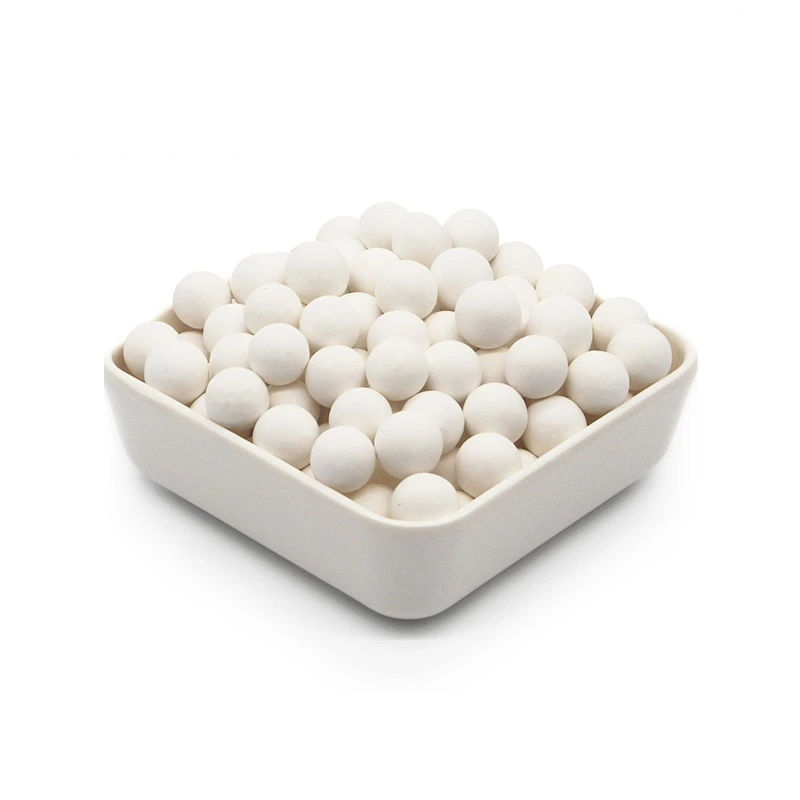
Что такое активированный оксид алюминия?
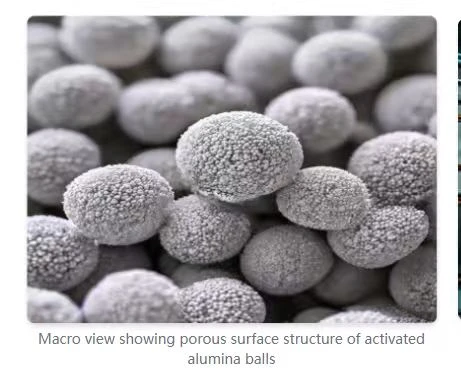
Активированный оксид алюминия представляет собой высокопористую форму оксида алюминия (Al₂O₃), получаемую путём дегидроксилирования гидроксида алюминия (Al(OH)₃) при контролируемых температурах в диапазоне 300-600°C. Получаемая фаза γ-Al₂O₃ обладает чрезвычайно высокой удельной поверхностью (как правило, 200-400 m²/g) и сетью пор размером от нанометров до десятков нанометров, что делает её одним из наиболее эффективных и экономичных промышленных осушителей.
Активированный оксид алюминия характеризуется высокой механической прочностью на раздавливание (≥130 N на гранулу), низким истираниеми превосходной адсорбционной способностью по воде (как правило, 20-30% по массе)В отличие от силикагеля, он не разбухает и не разрушается при насыщении, а в отличие от цеолитов (молекулярных сит) значительно более экономичен для крупнотоннажного применения. Aluminaworld производит активированный оксид алюминия как в сферической (шариковой), так и в порошкообразной форме, со строгим контролем качества по объёму пор, удельной поверхности и механической прочности.
Технические характеристики
Шары активированного оксида алюминия — два стандартных сорта
| Параметр | Стандартный сорт | Высокочистый сорт |
|---|---|---|
| Содержание Al₂O₃ (%) | ≥92 | ≥93 |
| SiO₂ (%) | ≤0.10 | ≤0.05 |
| Fe₂O₃ (%) | ≤0.04 | ≤0.03 |
| Na₂O (%) | ≤0.45 | ≤0.30 |
| Удельная поверхность (м²/г) | ≥300 | ≥320 |
| Объём пор (мл/г) | ≥0.40 | ≥0.45 |
| Насыпная плотность (г/мл) | 0.70-0.80 | 0.72-0.85 |
| Прочность на раздавливание (Н/шт) | ≥130 | ≥150 |
| Истираемость (мас.%) | ≤0.4 | ≤0.3 |
| Водопоглощение (%) | ≥50 | ≥55 |
Стандартные размеры частиц — Шарики
- 1-3 мм — Мелкая фракция для осушителей сжатого воздуха для приборов и небольших адсорбционных слоёв
- 2-5 мм — Наиболее популярный универсальный размер для осушителей сжатого воздуха
- 3-5 мм — Стандарт для промышленных осушительных колонн воздуха/газа
- 4-6мм — Сушка в больших слоях, меньшее падение давления
- 5-8мм — Очень большие осушительные колонны, дефторирующие фильтры
Спецификации порошка активированного оксида алюминия
| Параметр | Спецификация |
|---|---|
| Содержание Al₂O₃ (%) | ≥92 |
| Размер частиц | 50-200 меш (возможно изготовление по индивидуальным требованиям) |
| Удельная поверхность (м²/г) | ≥280 |
| Насыпная плотность (г/мл) | 0.55-0.70 |
| Цвет | Белый порошок |
| Основное применение | Приготовление катализаторов, сырьё для полировальных составов, осушитель в специальных применениях |
Шесть основных промышленных применений
1. Сушка сжатого воздуха — рабочая лошадка среди осушителей в промышленности
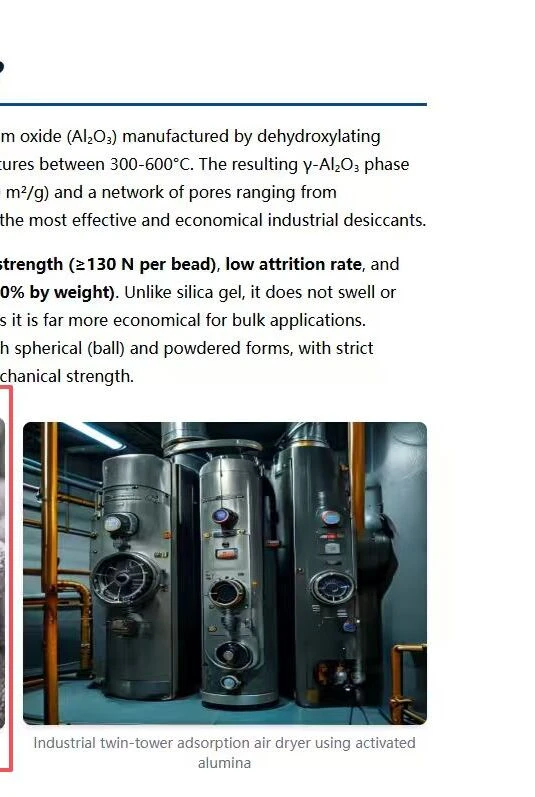
Активированный оксид алюминия является наиболее широко используемым осушителем в промышленных осушителях сжатого воздуха, особенно в безнагревных адсорбционных осушителях с двумя колоннами. Он обеспечивает точки росы под давлением от -40°C до -50°C, что достаточно для большинства промышленных пневматических систем, контрольно-измерительных приборов и технологического воздуха. По сравнению с молекулярным ситом активированный оксид алюминия более экономичен и устойчив к загрязнению входящего воздуха.
2. Дыхание трансформаторов — защита электрической изоляции
Силовые трансформаторы используют силикагелевые или алюмооксидные воздухоосушители для осушения воздуха, поступающего в расширительный бак при изменении нагрузки. Проникновение влаги является причиной №1 отказов трансформаторов во всём мире. Алюмооксидные воздухоосушители защищают оборудование электростанций и подстанций на миллионы долларов. Типичный интервал замены: 1-2 года в зависимости от влажности.
3. Дефторирование питьевой воды — решение, рекомендованное ВОЗ
Активированный оксид алюминия является золотым стандартом адсорбента для удаления избыточного фтора из питьевой воды в населённых пунктах, где содержание фтора в природных подземных водах превышает 1,5 мг/л. Он снижает концентрацию фтора с 10 мг/л до уровня ниже 0,5 мг/л, что соответствует рекомендациям ВОЗ. Ёмкость: приблизительно 1 800 объёмов колонны за цикл до регенерации с NaOH. Применяется в Индии, Китае, Африке и сельских районах США.
4. Осушка природного газа
Активированный оксид алюминия широко применяется для осушки природного газа, особенно на небольших месторождениях и в устьевых установках. Он снижает содержание воды от состояния насыщения до 10–50 ppm, что достаточно для транспортировки по трубопроводу. Хотя молекулярное сито 4A предпочтительнее для глубокой осушки, активированный оксид алюминия обеспечивает наилучшее соотношение цена/производительность для применений при среднем давлении.
5. Носитель катализатора — нефтехимическая промышленность
Сферический активированный оксид алюминия служит высококачественным носителем катализатора во многих нефтехимических процессах: установка Клауса для получения серы (конверторы Клауса), производство H₂O₂ (антрахиноновый процесс), селективное гидрирование, добавки катализаторов FCC и различные реакции окисления. Высокая удельная поверхность, однородная пористая структура и термическая стабильность делают его идеальным для этих ответственных применений.
6. Осушка промышленных газов (N₂, O₂, H₂, Ar)
Сжатые промышленные газы (особенно на установках воздухоразделения при производстве N₂ и O₂) требуют осушки перед криогенной переработкой. Активированный оксид алюминия обеспечивает экономичное удаление основной массы воды на стадии предварительной осушки, часто в паре с молекулярным ситом 13X для глубокой доочистки до уровня ниже ppm.
Сравнение с силикагелем и цеолитом
| Параметр | Активированный оксид алюминия | Силикагель | Цеолит 4A |
|---|---|---|---|
| Достижимая точка росы | -50°C | -40°C | -90°C |
| Влагоёмкость (мас.%) | 20-30% | 35-40% | 22% |
| Механическая прочность на раздавливание (Н/шт) | 130+ | 30-50 (низкая) | 30+ |
| Скорость износа | Очень низкая | Высокая (фрагменты) | Низкая |
| Температура регенерации | 180-250°C | 120-150°C | 200-300°C |
| Лучшее применение | Сушка воздуха, воды, трансформаторов | Сушка сыпучих материалов, упаковка пищевых продуктов | Глубокая сушка, очистка газов |
| Стоимость (относительная) | Низкая-средняя | Низкая | Средняя-высокая |
| Устойчивость к загрязнению | Хорошая | Низкая (набухает) | Низкая (забивается) |
Часто задаваемые вопросы
В: Для чего используется активированный оксид алюминия?
О: Активированный оксид алюминия имеет четыре основных промышленных применения: (1) сжатый воздух и осушитель в промышленных газовых сушилках; (2) обесфторивание воды для очистки питьевой воды; (3) дыхание трансформаторов — защита электрической изоляции от влаги; (4) носитель катализатора в нефтехимических процессах, таких как процесс Клауса для получения серы и производство H2O2. К менее крупным областям применения относятся осушка воздуха для приборов, осушитель в стеклопакетах и специальная адсорбция.
В: В чём разница между шарами и порошком активированного оксида алюминия?
О: Активированный оксид алюминия в форме гранул (диаметр 1–8 мм) используется в адсорбционных аппаратах с неподвижным слоем, через которые проходит газ или жидкость. В форме порошка (50–325 меш) применяется в качестве сырья для приготовления катализаторов, полировальных составов или как исходный материал для дальнейшей переработки. Гранулы обеспечивают лучшие характеристики потока и более низкое падение давления; порошок обладает большей внешней площадью поверхности и более высокой скоростью адсорбции.
В: Как выполняется регенерация активированного оксида алюминия?
A: Для осушки воздуха/газа: нагреть до 180-250°C на 2-4 часа для удаления адсорбированной воды (TSA — адсорбция с температурной переключением). Для дефторирования воды: регенерировать с помощью разбавленного NaOH (1-2%) или раствора Al₂(SO₄)₃, затем нейтрализация кислотой и промывка водой. После 3-5 лет эксплуатации ёмкость значительно снижается, рекомендуется замена.
В: Какой рекомендуемый размер частиц для осушки воздуха?
О: Для компрессорных осушителей воздуха наиболее распространены гранулы 3-5 мм или 5-8 мм — гранулы большего размера снижают перепад давления в высоких колоннах. Для осушки инструментального воздуха и небольших осушителей — 2-3 мм или 4-6 мм. Для глубокой осушки (точка росы ниже -50°C) гранулы меньшего размера 1-2,5 мм обеспечивают большую площадь поверхности, но увеличивают перепад давления. Мы можем порекомендовать оптимальный размер исходя из габаритов вашей колонны.
В: Безопасна ли активированная окись алюминия для очистки питьевой воды?
A: Да. Активированная оксид алюминия сертифицирована по NSF/ANSI 61 для очистки питьевой воды в США и одобрена согласно REACH в Европе. Она эффективно удаляет фторид, мышьяк и селен до значений ниже рекомендаций ВОЗ. Стандартная марка содержит Al₂O₃ ≥92%; высокочистая марка — ≥93%. Применяется на муниципальных водоочистных сооружениях в Индии, Китае, Африке и сельских районах США.
Упаковка и доставка
- Стандартная: Бумажные крафт-мешки 25 кг с внутренним полиэтиленовым вкладышем (влагонепроницаемым)
- Навалом: Большие мешки 500 кг / 1000 кг для заказов полной контейнерной загрузки
- Герметичные стальные бочки (200 л) доступно для применений с высокой чувствительностью к влаге
- Загрузка контейнера: 20MT на 20'FCL с поддонами, 24MT на 40'FCL насыпью
- Срок выполнения заказа: 7-15 дней для складских марок, 15-25 дней для нестандартного сита или марки
- Документы: COA, MSDS, сертификат ISO 9001, соответствие REACH, коммерческий инвойс, упаковочный лист, коносамент
- Условия поставки: Доступны FOB Qingdao / CIF / CFR / DDP
Как сделать заказ
Сообщите область применения (осушка воздуха / водоподготовка / трансформаторы / носитель катализатора), требуемую марку Al₂O₃ (≥92% или ≥93%), размер частиц, месячный объём и пункт назначения. Наши инженеры подберут подходящую марку и предоставят конкурентоспособное коммерческое предложение в течение 2 часов. Бесплатные образцы 1–2 кг доступны для квалификационных испытаний.