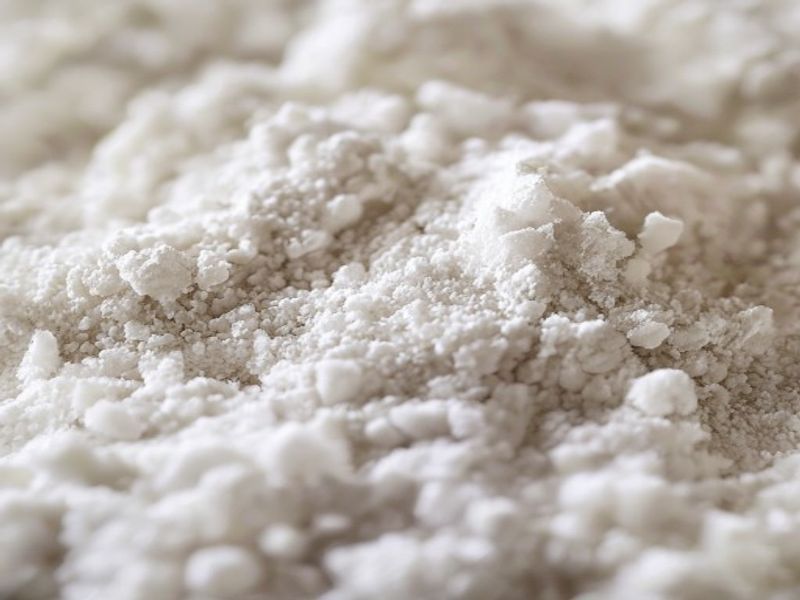
High purity alumina (HPA, at least 99.99% Al2O3) is one of the fastest-growing specialty materials in the lithium-ion battery supply chain. Applied as a thin coating on the polyethylene separator, HPA enables batteries to operate safely at higher temperatures and with higher energy density: two of the most pressing demands in EV and energy storage applications.
calcined vs tabular alumina purityThe market for HPA is forecast to grow from 50,000 MT/year today to over 200,000 MT/year by 2030, driven primarily by EV adoption. At Aluminaworld, we have been supplying battery-grade HPA (4N grade, 99.99% purity) since 2022, and 5N grade (99.999%) since late 2024.
This article explains what 4N and 5N mean, how the production process affects cost and quality, and which grade is right for your specific battery application.
1. What 4N and 5N Mean: Purity Grades Explained
The N notation stands for nines of purity. 4N = 99.99% (one impurity atom per 10,000 Al atoms); 5N = 99.999% (one per 100,000). For HPA, the impurities of concern are:
| Element | 4N Limit (ppm) | 5N Limit (ppm) |
|---|---|---|
| Fe | at most 10 | at most 2 |
| Si | at most 15 | at most 3 |
| Na | at most 10 | at most 2 |
| Ca | at most 5 | at most 1 |
| Cu | at most 3 | at most 1 |
| Total others | at most 57 | at most 8 |
Iron and copper are particularly problematic in lithium batteries: they dissolve into the electrolyte and migrate to the cathode, accelerating capacity fade. Sodium and calcium create unwanted side reactions at the anode interface.
2. How HPA is Made: Aluminum Hydroxide vs Metallic Aluminum Routes
Two main production routes exist, with very different economics:
Route 1: Aluminum Hydroxide Refining
Industrial-grade aluminum hydroxide (Al(OH)3, about 99.5% pure) is dissolved in high-purity acid, recrystallized multiple times to remove impurities, then calcined to alpha-alumina. Capex: moderate. Opex: low. Achievable purity: up to 5N. Production time: 7 to 14 days.
Route 2: Metallic Aluminum Hydrolysis
High-purity aluminum metal (99.99%+) is dissolved in water or alcohol, hydrolyzed to aluminum hydroxide, then calcined. Capex: high. Opex: high. Achievable purity: 5N to 6N. Production time: 14 to 21 days. End product has higher density but is more expensive.
Cost Comparison
- 4N HPA via hydroxide route: $15 to $25 per kg
- 5N HPA via hydroxide route: $30 to $50 per kg
- 5N HPA via metallic Al route: $50 to $80 per kg
- 6N HPA (specialty): $200+ per kg
3. Choosing Between 4N and 5N for Battery Separator Coating
For Consumer Electronics Batteries (Laptop, Phone, Power Bank)
4N HPA is sufficient. Energy density is moderate, operating temperatures are controlled, and the separator coating thickness is typically 2 to 4 micrometer. Impurity levels in 4N HPA do not measurably affect cycle life in these applications.
For Electric Vehicle Batteries
5N HPA is the industry standard. EV batteries operate at higher temperatures, charge/discharge faster, and must last 8 to 10 years. The lower impurity level in 5N HPA extends cycle life by 15 to 25% in accelerated aging tests. Most EV OEMs (CATL, BYD, LG, Panasonic) specify 5N HPA in their separator coatings.
For Energy Storage Systems (Stationary Batteries)
4N HPA is often sufficient because cycle life requirements are less stringent than EV. However, the larger format factors and longer operational lifetimes (15 to 20 years) mean many ESS manufacturers are moving to 5N HPA for safety margin.
Particle Size and Morphology
Beyond purity, particle size matters. Most separator coating formulations use HPA with D50 of 0.5 to 2 micrometer and a narrow particle size distribution (D90/D10 below 3). Our 5N-HPA-S grade has D50 of 1.2 micrometer and D90 of 3.0 micrometer, which is the most common specification requested by Asian battery manufacturers.
If you are evaluating HPA for a new battery design, our engineering team can supply samples of both 4N and 5N grades and help you interpret your cell test data. We also offer custom particle sizes from 0.3 to 5 micrometer for specific coating requirements.
Frequently Asked Questions
What is the lead time for HPA samples?
Standard 4N and 5N grades ship in 7 days. Custom particle sizes require 14 to 21 days. Minimum sample order: 100 g.
Do you supply HPA with BET surface area specifications?
Yes. Our standard grades have BET of 5 to 10 m2/g. Reactive grades with BET 50 to 100 m2/g are available for specialty coating applications.
Is Chinese HPA competitive with Australian and Japanese supply?
Yes. Our 5N HPA is produced to specifications equivalent to the leading Australian and Japanese suppliers, at 30 to 40% lower cost. We supply to battery makers in China, Korea, and Europe.
What is the minimum order quantity?
1 MT for standard grades, 5 MT for custom specifications. Trial orders of 100 to 500 kg can be arranged for new customers.
Do you provide REACH and battery-grade certifications?
Yes. Our 5N HPA ships with REACH registration, battery-grade COA, MSDS, and conflict mineral documentation. ISO 9001:2015 certified manufacturing.
Related Alumina Powder Articles
Calcined Alumina vs Tabular Alumina: Choosing the Right Alpha-Al2O3 Grade
Alumina Powder in Ceramic Glaze: Improving Hardness and Thermal Shock Resistance
Alumina Powder as Paint Filler: Abrasion Resistance and Anti-Slip Coatings
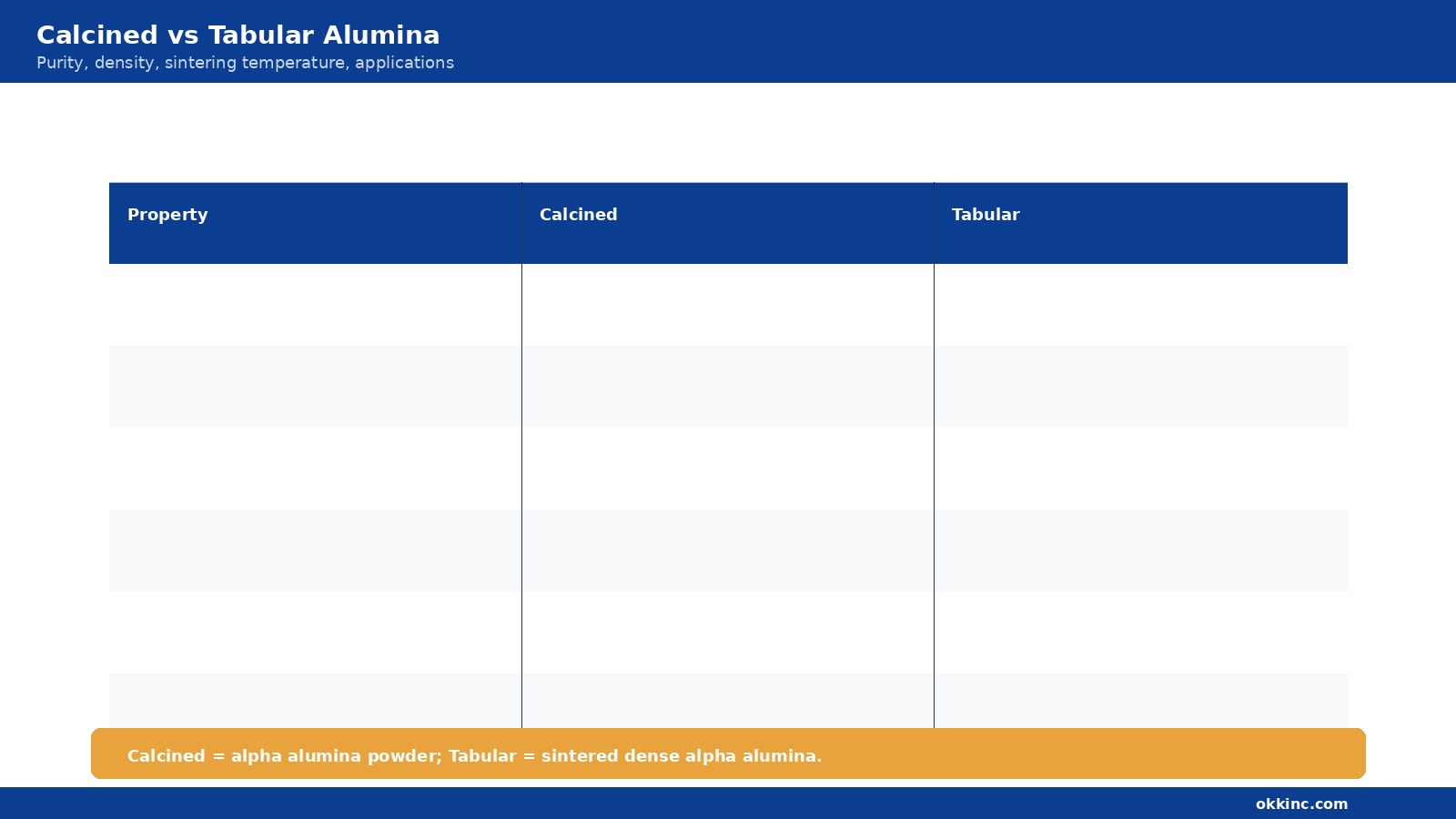
calcined vs tabular alumina purity
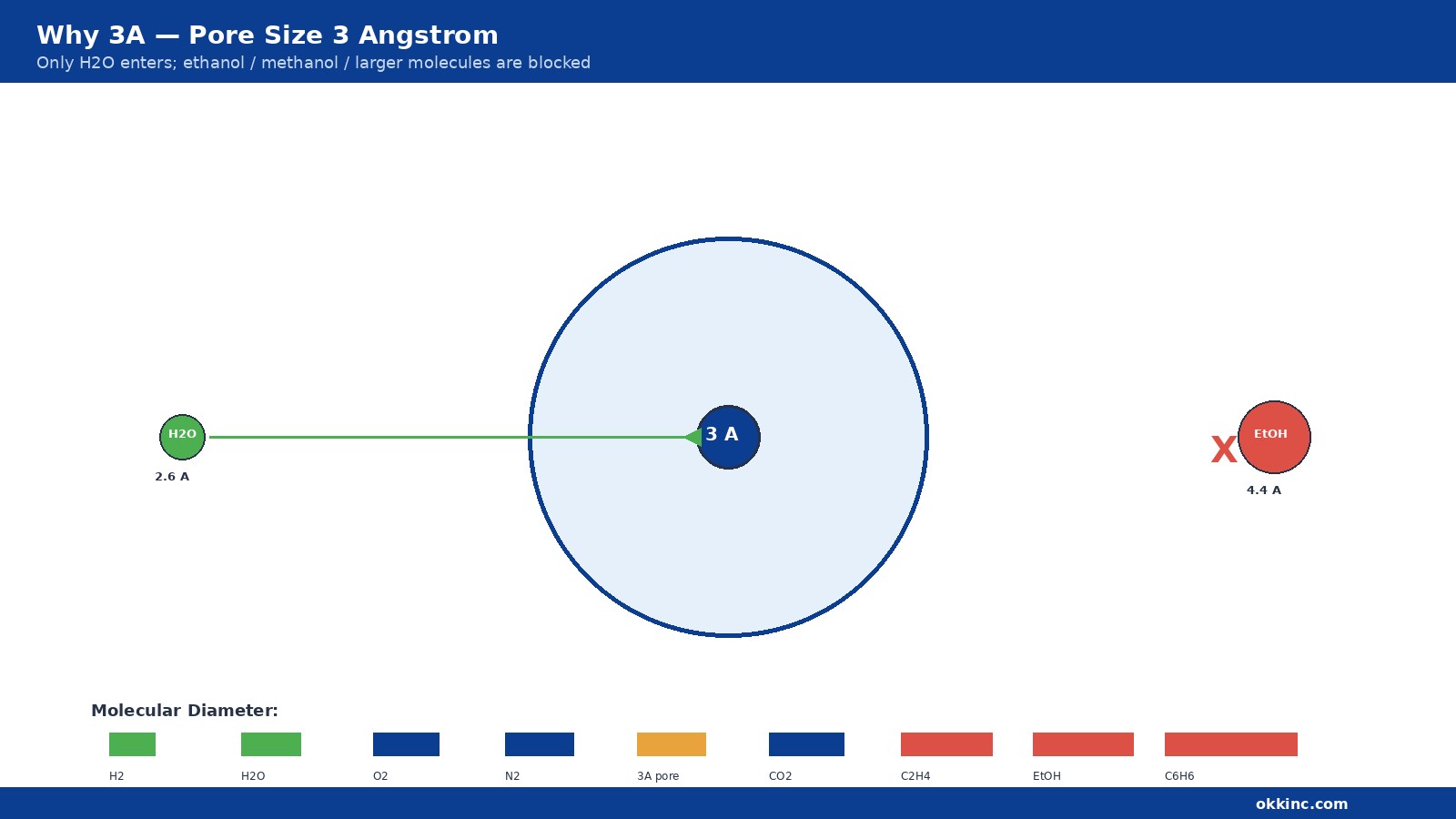
Molecular Sieve 3A Application Guide
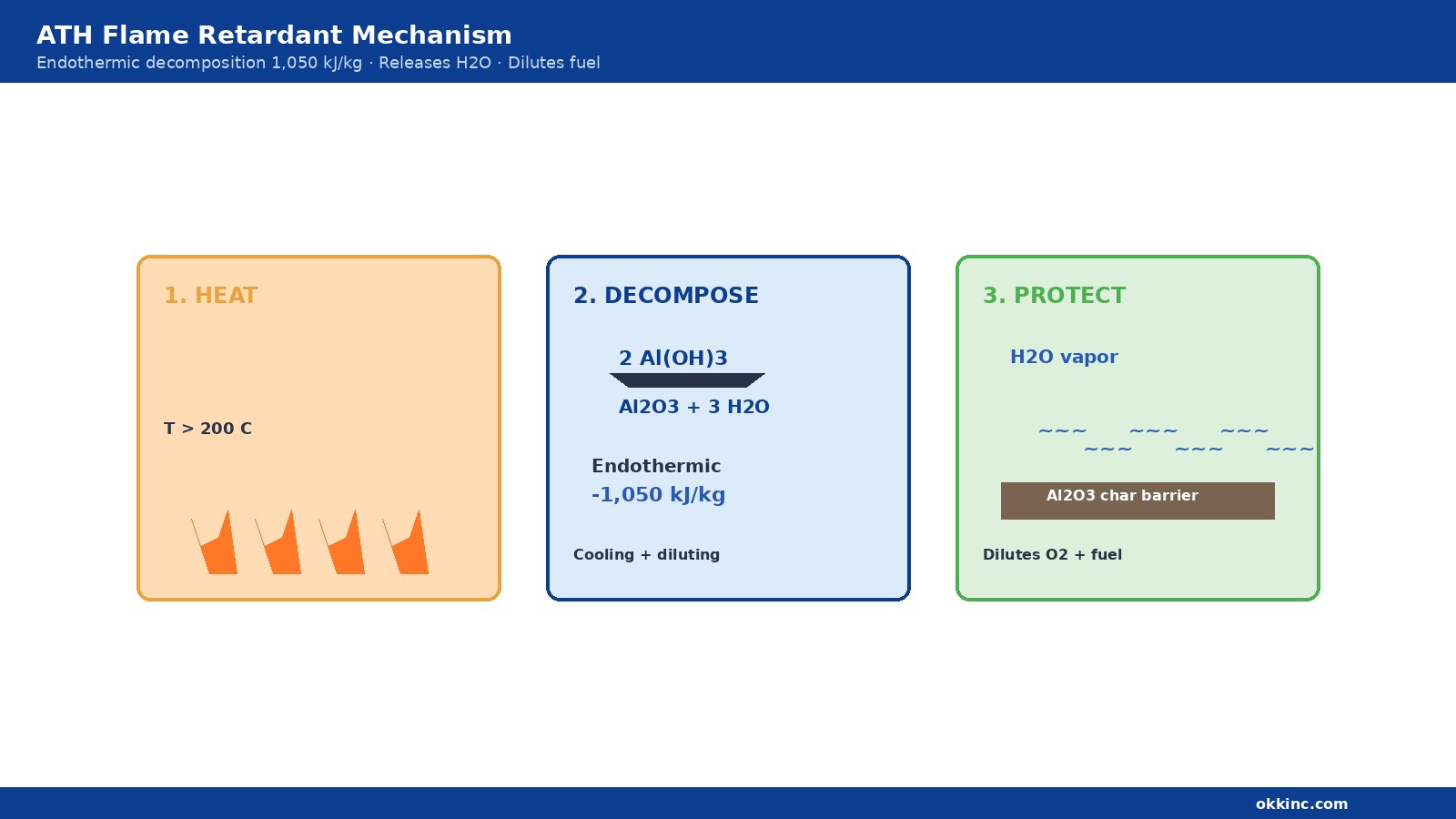
Ath Flame Retardant Mechanism Explained
Need a Quote or Free Sample?
Tell us your feed conditions and target outlet spec. Our engineers reply within 24 hours with a recommendation and a 1 kg free sample.