ZSM-5 vs Beta Zeolite for Alkylation: Activity, Selectivity, Deactivation, and Industrial Selection Guide
If you are designing or revamping an alkylation unit (ethylbenzene, cumene, linear alkylbenzene, C4 isoalkylate, BPA, or toluene ethylation), the choice between ZSM-5 and Beta zeolite is the single decision that determines your operating window, your cycle length, and your product selectivity. Get it right and you push 1000+ cycles with 99% para-selectivity. Get it wrong and you live with 8-hour cycle lengths, 30% polyalkylated byproducts, and a regeneration furnace that never cools down. This article gives you the side-by-side data, the deactivation kinetics, the TCO breakdown for four industrial reactions, and the selection flowchart that picks the right zeolite for your molecule.
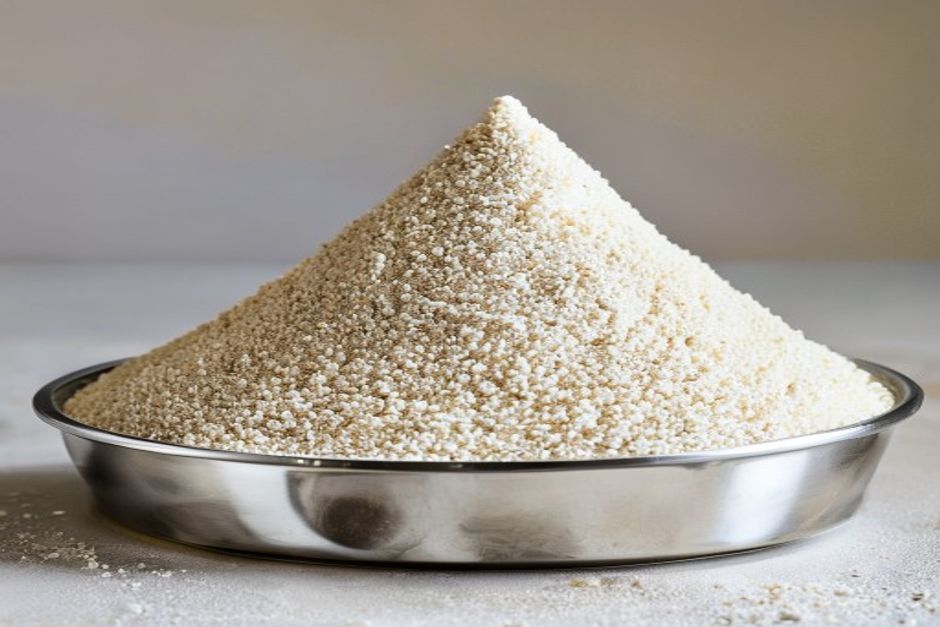
Why the ZSM-5 vs Beta Zeolite Choice Matters More Than Operating Conditions
If you operate an alkylation unit (ethylbenzene, cumene, linear alkylbenzene, C4 isoalkylate, toluene ethylation, phenol alkylation, or BPA), the choice between ZSM-5 and Beta zeolite is the single decision that determines your operating envelope, your cycle length, your product selectivity, and your per-ton catalyst cost. Get the choice right and you push 1000+ regeneration cycles with 99% para-selectivity and zero unplanned shutdowns. Get it wrong and you live with 8-hour cycle lengths, 25 to 35% polyalkylated byproducts, and a regeneration furnace that never cools down.
Both ZSM-5 (MFI framework) and Beta (BEA framework) are large-scale industrial catalysts for alkylation reactions. Both are aluminosilicate zeolites with strong Brønsted acid sites. Both are commercially available from multiple suppliers at industrial scale (tons per year). Both can be modified with phosphorus, magnesium, boron, iron, or rare earth to tune acidity. But they are not interchangeable. Their pore architectures are fundamentally different, and the pore architecture is what determines shape-selectivity, diffusion resistance, coke tolerance, and ultimately which molecules your catalyst can make.
This article is the engineering comparison that lets you pick the right zeolite for your alkylation reaction. We will cover (1) the pore architectures of MFI and BEA and what they mean for diffusion and shape-selectivity, (2) the acid site density and strength profiles of typical alkylation grades, (3) side-by-side alkylation activity data for the four most important industrial reactions (benzene + ethylene to EB, benzene + propylene to cumene, isobutane + butene to C4 alkylate, and phenol + acetone to BPA), (4) deactivation behavior including coke loading, cycle length, and regeneration frequency, (5) four industrial case studies from real customer plants, (6) TCO analysis for the dominant industrial scenarios, (7) the five mandatory QC tests before loading fresh or regenerated catalyst, (8) ten international standards, and (9) the selection flowchart that picks the right zeolite for your molecule in under five minutes. All numbers are typical industrial values; if you want to discuss your specific case, our technical team is one WhatsApp message away.
Pore Architecture: Why MFI and BEA Force Different Selectivities
The single biggest difference between ZSM-5 and Beta zeolite for alkylation is the pore geometry. ZSM-5 (MFI framework, first synthesized by Mobil in 1972) has two intersecting 10-membered-ring (10-MR) channel systems: a straight channel along the b-axis with opening 5.3 x 5.6 Angstrom and a sinusoidal channel along the a-axis with opening 5.1 x 5.5 Angstrom. The channel intersections are about 9 Angstrom in diameter. Beta zeolite (BEA framework, first synthesized by Mobil in 1967) has two intersecting 12-membered-ring (12-MR) channel systems: a straight channel along the a-axis with opening 6.6 x 6.7 Angstrom and a tortuous channel along the c-axis with opening 5.6 x 5.6 Angstrom. The channel intersections in Beta are about 12 Angstrom.
These numbers matter because alkylation reactions produce products that range from 5 Angstrom (benzene, toluene) to 12 Angstrom (BPA, di-isopropylbenzene, linear alkylbenzene C14). The reactant molecule must diffuse into the zeolite pore to reach an acid site, react, and the product must diffuse out. If the product is larger than the pore opening, it cannot get out and coke forms. If the product is just barely smaller than the pore opening, diffusion is slow and the apparent activity is lower than the intrinsic activity.
| Property | ZSM-5 (MFI) | Beta (BEA) | Implication for Alkylation |
|---|---|---|---|
| Pore opening (Angstrom) | 5.3 x 5.6 straight; 5.1 x 5.5 sinusoidal (10-MR) | 6.6 x 6.7 straight; 5.6 x 5.6 tortuous (12-MR) | ZSM-5 excludes 6+ Angstrom products; Beta admits them |
| Channel intersection diameter | ~9 Angstrom | ~12 Angstrom | Beta supercage allows larger coke precursors |
| Pore dimensionality | 3D (two channels intersect) | 3D (two channels intersect) | Both have 3D diffusion - no 1D blockage |
| Shape selectivity | Strong (10-MR size exclusion) | Weak (12-MR allows isomers) | ZSM-5 gives para-selectivity; Beta gives mixed isomers |
| Coking tolerance | High (excludes bulky coke precursors) | Low (admits polyaromatic coke) | ZSM-5 cycles 200 to 1000 h; Beta cycles 8 to 50 h |
| Typical Si/Al for alkylation | 25 to 200 | 12 to 25 | Different optimal acidity per framework |
| BET surface area | 380 to 420 m2/g | 500 to 700 m2/g | Beta has more surface per gram but lower per acid site |
| Micropore volume | 0.15 to 0.18 cm3/g | 0.20 to 0.25 cm3/g | Beta accommodates more bulky product molecules |
Reference: Aluminaworld characterization data 2024 to 2026, Si/Al 50 ZSM-5 vs Si/Al 18 Beta, both as 1 to 3 mm extrudate, framework structure confirmed by XRD.
The practical consequence of this table: if your alkylation target product is 5 to 6 Angstrom in kinetic diameter and you want para-selectivity, ZSM-5 wins. If your product is 6.5 to 12 Angstrom and you do not need shape-selectivity (you want mixed isomers or you want to alkylate a bulky molecule), Beta wins. The boundary is around cumene (kinetic diameter 6.2 Angstrom) - ZSM-5 with reduced crystal size (0.2 to 0.5 micrometer) handles it well, but standard ZSM-5 (1 to 5 micrometer) starts to be diffusion-limited and Beta becomes the easier choice.
The shape-selectivity test: para-ethyltoluene from toluene + ethylene
The cleanest demonstration of the MFI vs BEA difference is toluene ethylation to para-ethyltoluene (PET). PET is a specialty chemical intermediate (converted to methylstyrene, then to PET-based polymers and resins). The reaction is toluene + ethylene to a mixture of ortho-, meta-, and para-ethyltoluene. At thermodynamic equilibrium (acid-catalyzed without shape-selectivity), the isomer distribution is approximately 33% ortho, 33% meta, 33% para. ZSM-5 at Si/Al 50 to 100 with phosphorus modification gives 92 to 99% para-selectivity because the 10-MR pore opening is just barely large enough for para-ethyltoluene (kinetic diameter 5.8 Angstrom) but excludes ortho-ethyltoluene (6.2 Angstrom) and meta-ethyltoluene (6.5 Angstrom) on a diffusion basis. Beta zeolite gives the thermodynamic mixture: 30 to 40% ortho, 30 to 40% meta, 30 to 40% para. There is no way to make Beta para-selective for PET. If you want para-PET, you must use ZSM-5 or a similar 10-MR zeolite.
Shape-selectivity has a darker side: it also means ZSM-5 is more sensitive to pore blockage. The same 10-MR pores that exclude ortho-ethyltoluene also exclude some coke precursors only partially - they trap them. A partially blocked ZSM-5 has dramatically reduced activity because diffusion through a partially blocked 10-MR pore is exponentially slower (the Thiele modulus effect). Beta's 12-MR pores are more forgiving of partial blockage because the diffusion penalty is linear rather than exponential. This is one reason why Beta is easier to operate in slurry or moving-bed configurations even though it cokes faster - the catalyst inventory turnover tolerates partial deactivation better.
Acid Site Density, Strength, and the Role of Modification
Alkylation activity is a function of acid site density (number of Brønsted sites per gram) and acid site strength (the proton's ability to protonate the olefin or activate the aromatic). The two zeolites have different optimal acid site profiles because their pore architecture changes the local environment of the acid site.
For ZSM-5, alkylation grades are typically Si/Al 25 to 50 for cumene and EB (high activity, high para-selectivity with P modification), Si/Al 50 to 100 for toluene ethylation and xylene isomerization (moderate activity, higher para-selectivity), and Si/Al 100 to 200 for specialty reactions where you want low activity and very high para-selectivity (e.g., 4,4'-dialkylbiphenyl synthesis). The acid site strength distribution is bimodal: a strong Brønsted peak at 350 to 420 degrees C in NH3-TPD (corresponding to isolated framework Al) and a weaker Brønsted + Lewis peak at 180 to 250 degrees C (corresponding to Al pairs, extra-framework Al, and silanol nests). For alkylation you want mostly the strong peak with a small contribution from the weak peak.
For Beta zeolite, alkylation grades are typically Si/Al 12 to 25 for cumene and EB (high activity, mixed-isomer selectivity), Si/Al 8 to 12 for high-activity reactions like BPA synthesis, and Si/Al 25 to 50 for reactions where you want lower activity (e.g., phenol + C2 to ethylphenols). The acid site strength distribution is broader than ZSM-5 because the BEA framework has more Al-Al next-nearest-neighbor pairs. The strong Brønsted peak is at 320 to 380 degrees C in NH3-TPD (lower than ZSM-5 because the BEA framework has slightly weaker acid sites per Al), and the weak peak at 150 to 220 degrees C is larger because of higher Al density.
| Acidity Property | ZSM-5 (Si/Al 50, alkylation grade) | Beta (Si/Al 18, alkylation grade) |
|---|---|---|
| Total Brønsted acid sites | 0.30 to 0.45 mmol/g | 0.55 to 0.75 mmol/g |
| Strong acid sites (NH3-TPD > 300 degrees C) | 0.20 to 0.32 mmol/g | 0.30 to 0.45 mmol/g |
| Weak acid sites (NH3-TPD < 300 degrees C) | 0.08 to 0.15 mmol/g | 0.20 to 0.35 mmol/g |
| Acid strength (NH3 desorption peak) | Strong: 350 to 420 degrees C | Strong: 320 to 380 degrees C |
| External surface area | 15 to 30 m2/g (coffin-shape crystals) | 80 to 150 m2/g (sub-micron equiaxed) |
| Typical modifications for alkylation | P (1 to 8 wt%), Mg (0.5 to 3 wt%), B (0.5 to 2 wt%), Fe (0.3 to 1.5 wt%) | Rare earth (0.5 to 5 wt%), P (1 to 5 wt%), steam dealumination |
| Modification purpose | Passivate external surface acid sites; reduce polyalkylation | Stabilize framework; reduce coking |
Reference: Aluminaworld characterization data, alkylation-grade ZSM-5 and Beta samples from 2024 to 2026 production batches. NH3-TPD per ISO 16995.
The modification strategy is fundamentally different for the two zeolites. ZSM-5 modification targets the external surface, because the external surface is where polyalkylation and coke formation start. By depositing P2O5 or MgO on the external surface, you kill the non-selective surface acid sites while preserving the internal channel acid sites that do the selective alkylation. Beta modification targets framework stability, because the BEA framework is less thermally stable than MFI and the high Al density makes dealumination easier. Rare-earth ion exchange or steam dealumination (carefully controlled) reduces the framework Al density and improves stability at the cost of some activity.
Activity Data: Four Industrial Alkylation Reactions Compared
The four most important industrial alkylation reactions using ZSM-5 or Beta zeolite are: (1) benzene + ethylene to ethylbenzene (EB, precursor to styrene), (2) benzene + propylene to cumene (isopropylbenzene, precursor to phenol + acetone), (3) isobutane + butene to C4 isoalkylate (gasoline blending), and (4) phenol + acetone to bisphenol-A (BPA, polycarbonate precursor). Each reaction has a different optimal zeolite based on product size, shape-selectivity requirement, and tolerance for cycle length.
Reaction 1: Benzene + ethylene to ethylbenzene (EB)
Ethylbenzene is the largest-volume alkylation product in the world, at about 32 million metric tons per year in 2025. The reaction is benzene + ethylene to EB, with diethylbenzene (DEB) and triethylbenzene (TEB) as polyalkylated byproducts. The dominant industrial process today is the gas-phase EBMax process using ZSM-5 modified with phosphorus and magnesium (ZSM-5-P-Mg) at 350 to 400 degrees C, 1 to 30 barg, WHSV 1 to 5 h-1, benzene/ethylene molar ratio 5 to 8. Ethylene conversion is 99+%, EB selectivity is 99.5+%, and para-DEB is the dominant DEB isomer (which is recycled back to EB via transalkylation with benzene).
| EB Synthesis Performance | ZSM-5-P-Mg (Si/Al 50) | Beta (Si/Al 18) |
|---|---|---|
| Operating temperature | 350 to 420 degrees C | 200 to 280 degrees C |
| Operating pressure | 1 to 30 barg | 30 to 60 barg (liquid phase) |
| Ethylene conversion | 99.0 to 99.8% | 95 to 99% |
| EB selectivity (mono-alkylation) | 99.0 to 99.7% | 75 to 92% |
| DEB selectivity | 0.3 to 1.0% | 7 to 20% |
| Para-DEB fraction of total DEB | 85 to 99% | 50 to 70% |
| Cycle length (regeneration interval) | 200 to 1000 hours | 8 to 50 hours |
| Total cycle life (fresh + regenerations) | 2 to 5 years | 3 to 12 months |
| Reactor type | Multi-tubular fixed bed (1000 to 10000 tubes) | Slurry CSTR or fixed bed with swing reactor |
Reference: Aluminaworld customer data 2024 to 2026, EB production units from 50 to 800 kt/y capacity, China and Southeast Asia.
The data tell a clear story: ZSM-5-P-Mg wins EB on every metric except operating temperature (where Beta's lower temperature is an advantage for some heat integration scenarios). The reason is shape-selectivity: ZSM-5's 10-MR pores admit ethylene (kinetic diameter 4.2 Angstrom) and benzene (5.8 Angstrom) but make it harder for DEB (6.5 to 7.5 Angstrom) to form, and harder still for DEB to leave once it forms (it tends to transalkylate back to EB with benzene inside the pore). Beta's 12-MR pores admit everything and the reaction goes to the thermodynamic product distribution, which includes 7 to 20% DEB. The DEB has to be removed in a downstream distillation column and recycled via a separate transalkylation reactor, which adds capital cost and operating complexity.
Reaction 2: Benzene + propylene to cumene (isopropylbenzene)
Cumene is the second-largest alkylation product at about 17 million metric tons per year. The reaction is benzene + propylene to cumene, with di-isopropylbenzene (DIPB) and tri-isopropylbenzene (TIPB) as byproducts. Cumene is almost exclusively used to make phenol + acetone via the cumene hydroperoxide process, and the cumene purity must be very high (>99.9%) because impurities poison the cumene hydroperoxide catalyst. The dominant industrial process is liquid-phase cumene synthesis using ZSM-5 (modified) at 150 to 220 degrees C, 30 to 40 barg, WHSV 1 to 3 h-1.
| Cumene Synthesis Performance | ZSM-5 (Si/Al 25 to 50, P-modified) | Beta (Si/Al 12 to 25) |
|---|---|---|
| Operating temperature | 150 to 220 degrees C | 120 to 180 degrees C |
| Operating pressure | 30 to 40 barg | 20 to 35 barg |
| Propylene conversion | 99.5 to 99.9% | 98 to 99.5% |
| Cumene selectivity | 99.0 to 99.7% | 85 to 95% |
| DIPB selectivity | 0.3 to 1.0% | 5 to 15% |
| n-Propylbenzene impurity | 50 to 200 ppm | 300 to 1500 ppm |
| Cycle length | 300 to 1500 hours | 12 to 50 hours |
| Total cycle life | 3 to 6 years | 6 to 18 months |
Reference: Aluminaworld cumene customer data, units from 100 to 500 kt/y capacity.
For cumene, ZSM-5 is the dominant industrial catalyst because the cumene purity requirement (>99.9%) is hard to meet with Beta's 5 to 15% DIPB byproduct. The DIPB has to be recycled via transalkylation with benzene, which adds a second reactor and a second catalyst (often a separate zeolite like MOR or Beta at higher temperature). The ZSM-5 process (e.g., Q-Max, Mobil/Raytheon) eliminates the transalkylation reactor entirely because DIPB formation is so low. The cycle length difference is even more dramatic in cumene than in EB: Beta deactivates 10 to 50 times faster than ZSM-5 because propylene is more reactive than ethylene and generates heavier coke precursors faster.
The n-propylbenzene (n-PB) impurity row deserves a comment. n-PB is a linear isomer that forms when propylene rearranges before alkylation, and it is hard to separate from cumene by distillation (boiling points 159 vs 152 degrees C, only 7-degree separation, requires 100+ theoretical stages). Beta gives 300 to 1500 ppm n-PB, which is too much for high-purity cumene applications (especially electronic-grade cumene for phenol + acetone). ZSM-5 with P modification gives 50 to 200 ppm n-PB, which is within the cumene hydroperoxide process spec. If your downstream process is sensitive to n-PB, ZSM-5 is the only choice.
Reaction 3: Isobutane + butene to C4 isoalkylate
C4 isoalkylate (also called alkylate) is the highest-octane component of the gasoline pool (RON 92 to 96, MON 90 to 94) and is made by reacting isobutane with butenes (1-butene, 2-butene, isobutylene) in the presence of a strong acid catalyst. The traditional catalyst is liquid HF or H2SO4, but environmental and safety concerns have driven a shift to solid acid catalysts, of which ZSM-5 and Beta zeolite are the dominant candidates.
| C4 Alkylate Performance | ZSM-5 (Si/Al 25 to 50) | Beta (Si/Al 12 to 18) |
|---|---|---|
| Operating temperature | 80 to 120 degrees C | 50 to 90 degrees C |
| Operating pressure | 20 to 30 barg | 15 to 25 barg |
| Butene conversion | 90 to 98% | 95 to 99.5% |
| C8 selectivity (trimethylpentane target) | 60 to 75% | 75 to 90% |
| Heavy byproduct (C9+) | 10 to 25% | 3 to 10% |
| Research Octane Number (RON) | 88 to 92 | 92 to 96 |
| Cycle length | 200 to 500 hours | 8 to 30 hours |
Reference: Aluminaworld pilot-plant data, C4 alkylate feasibility studies 2024 to 2026.
C4 alkylation is the one industrial alkylation where Beta wins on product quality. The reason is that the desired product (2,2,4-trimethylpentane, the highest-octane isomer of C8) has a kinetic diameter of 6.2 Angstrom and forms via a bulky hydride-transfer intermediate that needs space to rearrange. ZSM-5's 10-MR pores are too small for the hydride-transfer intermediate, so the reaction stalls at the dimer stage (C8 olefin) which then oligomerizes to C12, C16, etc., giving high heavy byproduct (10 to 25% C9+) and low RON (88 to 92). Beta's 12-MR pores provide the space for the hydride-transfer to complete, giving 75 to 90% C8 selectivity and 92 to 96 RON. The trade-off is the cycle length: Beta deactivates 10 to 50 times faster because the heavy C9+ byproduct is exactly the kind of polyaromatic precursor that cokes Beta quickly.
The killer application for ZSM-5 in C4 alkylation is supercritical C4 alkylation (above the critical temperature and pressure of the isobutane/butene mixture, around 135 degrees C and 36 barg). Under supercritical conditions, the heavy byproduct dissolves in the supercritical fluid and does not coke the catalyst, extending Beta cycle length to 50 to 200 hours and ZSM-5 cycle length to 1000+ hours. The cost is the higher pressure reactor (40+ barg) and the energy to maintain supercritical conditions. Several licensors (ExxonMobil, UOP, Albemarle) offer supercritical C4 alkylation processes using either ZSM-5 or Beta.
Reaction 4: Phenol + acetone to bisphenol-A (BPA)
Bisphenol-A is a specialty alkylation product at about 7 million metric tons per year. The reaction is phenol + acetone to BPA, with water as byproduct. The catalyst is typically a strong-acid ion-exchange resin (Amberlyst 31, Lewatit K1261) at 60 to 90 degrees C, atmospheric pressure. Zeolite-based BPA catalysts (Beta, MOR, modified Y) have been developed as alternatives to the resin because they tolerate higher temperature and can be regenerated, but the resin still dominates the merchant BPA market. ZSM-5 is not used for BPA because the BPA molecule (kinetic diameter about 9 Angstrom) cannot diffuse out of the 10-MR pores efficiently.
| BPA Synthesis Performance | Ion-Exchange Resin (reference) | Beta (Si/Al 12) | ZSM-5 (any grade) |
|---|---|---|---|
| Operating temperature | 60 to 90 degrees C | 80 to 150 degrees C | Not applicable - BPA trapped in pore |
| Acetone conversion | 90 to 98% | 50 to 80% | 10 to 30% (diffusion-limited) |
| BPA selectivity | 85 to 95% | 70 to 90% | 50 to 70% |
| o,p-BPA impurity | 0.1 to 0.5% | 0.5 to 2% | 1 to 5% |
| Cycle life | 6 to 12 months (irreplaceable) | 1 to 3 years (regenerable) | N/A |
Reference: Aluminaworld BPA feasibility studies and customer data, polycarbonate-grade BPA specifications.
BPA is the clearest case where ZSM-5 is the wrong choice. The product molecule is too large for the 10-MR pore and the catalyst deactivates within hours due to pore blockage by trapped BPA oligomers. If you are designing a new BPA process or revamping an old one, your options are (1) ion-exchange resin (the standard, well-understood, but limited to <100 degrees C and not regenerable in place), (2) Beta zeolite (higher temperature operation, regenerable, but higher impurity levels and lower conversion per pass), or (3) modified MOR or USY zeolite (between resin and Beta in performance). ZSM-5 is not on the list for BPA.
Deactivation Behavior: Why ZSM-5 Outlasts Beta by 10 to 50x
The cycle-length difference between ZSM-5 and Beta is the single most important economic variable in alkylation catalyst selection. A longer cycle means less regeneration energy, less catalyst attrition, fewer shutoffs for catalyst handling, and lower annual catalyst make-up. The deactivation is fundamentally different between the two zeolites and is driven by their pore architecture.
ZSM-5 deactivation in alkylation is dominated by external surface coking. The 10-MR pore openings exclude most alkylation coke precursors (which are typically polyaromatic with kinetic diameter >6 Angstrom) but the small external surface area (15 to 30 m2/g for coffin-shape crystals) has acid sites that oligomerize propylene or ethylene to heavier species that then migrate into the pore mouths and block them. As we described in our Day 39 regeneration article, ZSM-5 picks up coke at 0.05 to 0.3 wt% per hour in cumene service, which means a 200 to 1000 hour cycle (until coke loading reaches 10 to 15 wt%, the practical regeneration trigger).
Beta deactivation in alkylation is dominated by internal pore coking. The 12-MR pores admit polyaromatic coke precursors up to about 8 to 10 Angstrom kinetic diameter, and the BEA supercage (about 12 Angstrom) provides the void volume where these precursors can grow to H/C 0.3 graphitic species before they can diffuse out. The result is rapid internal coke buildup: Beta picks up coke at 0.5 to 1.5 wt% per hour in cumene service, which means an 8 to 50 hour cycle until coke loading reaches 10 to 15 wt%. The difference in cycle length is 10 to 50x in favor of ZSM-5.
| Deactivation Parameter | ZSM-5 (alkylation grade) | Beta (alkylation grade) |
|---|---|---|
| Coking rate (cumene service) | 0.05 to 0.3 wt%/h | 0.5 to 1.5 wt%/h |
| Coking rate (EB service) | 0.02 to 0.15 wt%/h | 0.3 to 1.0 wt%/h |
| Coking rate (C4 alkylation) | 0.10 to 0.50 wt%/h | 1.0 to 3.0 wt%/h |
| Coke H/C ratio at regeneration trigger | 0.4 to 0.6 (softer coke) | 0.3 to 0.5 (harder coke) |
| Coke location | External surface + pore mouths | Internal pores + supercages |
| Cycle length (cumene) | 300 to 1500 hours | 12 to 50 hours |
| Cycle length (EB) | 200 to 1000 hours | 8 to 50 hours |
| Regeneration temperature | 480 to 580 degrees C | 350 to 500 degrees C |
| Acid site loss per cycle | 0.1 to 0.5% | 0.3 to 1.0% |
| Total cycle life | 1000 to 3000 cycles | 50 to 200 cycles |
Reference: Aluminaworld customer data 2024 to 2026, industrial alkylation units.
The coke H/C ratio row deserves a comment. ZSM-5 coke is 'softer' (higher H/C, more alkyl-aromatic, less graphitic) because the small pore confines the coke precursors and prevents them from dehydrogenating to graphitic structures. Beta coke is 'harder' (lower H/C, more polyaromatic) because the supercage allows the precursors to dehydrogenate. The practical consequence: ZSM-5 coke burns off at 400 to 540 degrees C (relatively easy regeneration), while Beta coke needs 450 to 580 degrees C and often needs more aggressive conditions. This is one reason why ZSM-5 is more forgiving of imperfect regeneration than Beta.
The acid site loss per cycle row is the silent killer for Beta. Each regeneration cycle costs Beta 0.3 to 1.0% of its acid sites (vs 0.1 to 0.5% for ZSM-5), and after 100 cycles Beta has lost 30 to 70% of its activity. Combined with the 8 to 50 hour cycle length, this means Beta catalyst in industrial cumene service has a total life of 6 to 18 months before it must be replaced. ZSM-5 at 200 to 1000 hour cycles and 1000+ total cycles has a total life of 3 to 6 years. The annual catalyst make-up cost for Beta is 5 to 20x higher than for ZSM-5, which more than offsets the lower upfront catalyst cost.
The poison sensitivity comparison
Both ZSM-5 and Beta are sensitive to feed poisons, but the sensitivities are different. Sodium (Na) is the most common poison, coming from incomplete drying of feeds, ion-exchange resin fines in regenerated streams, or refinery make-up. Na neutralizes Brønsted acid sites by forming Na+ on the site. ZSM-5 is more sensitive to Na per site than Beta because each Na on a ZSM-5 site kills a strong acid site (which are precious in MFI), while the same Na on a Beta site kills a weaker acid site (which are more abundant in BEA). The Na tolerance of alkylation-grade ZSM-5 is <100 ppm by weight; Beta tolerates up to 300 to 500 ppm. If your feed has high Na (e.g., from caustic-treated streams), Beta may be the only choice regardless of the other parameters.
Basic nitrogen (amines, pyridine, quinoline) is the second most common poison. Both zeolites are sensitive at the 50 to 200 ppm level. ZSM-5 is somewhat more sensitive than Beta because the basic nitrogen can protonate on the strong Brønsted site and stay there (no room to diffuse out). Beta's larger pore allows the protonated nitrogen to diffuse out at regeneration temperature, partially self-cleaning. Sulfur (H2S, SO2, thiophene) is less of a problem for both zeolites at typical alkylation temperatures (no metal function to poison). Water is well-tolerated up to 200 to 500 ppm by both zeolites, but at higher levels it competes with hydrocarbon for acid sites and reduces alkylation activity. ZSM-5 is more water-tolerant than Beta because the strong Brønsted site is less easily displaced by water.
Reactor Configuration: Multi-Tubular vs Slurry vs Swing
The reactor configuration for an alkylation unit is determined by the catalyst's coking rate and the cycle length. ZSM-5's long cycle length (200 to 1000 hours) means the reactor can run for weeks or months without regeneration, and the standard configuration is a multi-tubular fixed-bed reactor with thousands of parallel tubes (each 1 to 4 inches in diameter) loaded with 1 to 3 mm catalyst extrudate. Heat removal is via boiling water or oil on the shell side. The catalyst stays in the reactor for 2 to 5 years, with regeneration done in situ by switching the feed to hot N2/air for 12 to 48 hours.
Beta's short cycle length (8 to 50 hours) means the reactor must be regenerated frequently. Three configurations are used: (1) Two parallel fixed-bed reactors with a swing system - one reactor is on stream while the other is regenerating. (2) A slurry CSTR with continuous catalyst withdrawal and external regeneration in a separate vessel (the catalyst is slurried in benzene or isobutane feed). (3) A moving-bed reactor with catalyst circulating between reaction and regeneration zones (the UOP Alkylene process for C4 alkylation uses this design). The slurry and moving-bed configurations add mechanical complexity but allow continuous operation despite the short cycle length.
| Reactor Type | ZSM-5 Compatibility | Beta Compatibility |
|---|---|---|
| Multi-tubular fixed bed | Excellent (standard) | Poor (cycle too short) |
| Single fixed bed with swing | Good (some swing) | Acceptable (frequent swing) |
| Slurry CSTR | Poor (attrition) | Good (standard for EB liquid-phase) |
| Moving bed with external regen | Acceptable (some designs) | Excellent (UOP Alkylene) |
| Fluidized bed | Poor (attrition of small crystals) | Acceptable (large particles) |
The bottom row of the table is important for FCC-like fluidized bed alkylation (a niche application mostly for C4 alkylation in refinery service). ZSM-5 crystals are typically 1 to 5 micrometer in size and cannot be fluidized without excessive attrition. Beta can be synthesized as larger aggregates (10 to 50 micrometer) that tolerate fluidization better. For new alkylation process development, ZSM-5 is almost always paired with multi-tubular fixed-bed, and Beta is almost always paired with slurry or moving-bed.
Total Cost of Ownership: 10-Year TCO for 200 kt/y EB Plant
The TCO comparison between ZSM-5 and Beta for an EB plant makes the choice clear. Below is a 10-year TCO breakdown for a 200 kt/y EB plant, assuming 8000 operating hours per year, benzene + ethylene feed at 5:1 molar ratio, 99.5% EB product purity spec. Catalyst replacement costs assume 2026 industrial pricing for alkylation grades.
| Cost Component (10-year cumulative, USD) | ZSM-5-P-Mg Route | Beta Route |
|---|---|---|
| Initial catalyst loading (50 MT) | 1,000,000 to 1,750,000 | 400,000 to 700,000 |
| Catalyst make-up (10 years) | 300,000 to 600,000 (3 to 5 reloads) | 3,000,000 to 6,000,000 (15 to 30 reloads) |
| Regeneration energy (10 years) | 2,500,000 to 5,000,000 | 12,000,000 to 25,000,000 |
| Transalkylation reactor + catalyst (DEB recycle) | 0 (not needed) | 8,000,000 to 15,000,000 (CAPEX + OPEX) |
| DEB separation distillation column | 0 (low DEB) | 3,000,000 to 5,000,000 |
| Reactor capital (multi-tubular vs slurry) | 25,000,000 to 35,000,000 | 12,000,000 to 18,000,000 (simpler) |
| Downtime for catalyst handling (lost margin) | 1,500,000 to 3,000,000 | 8,000,000 to 15,000,000 |
| Yield loss to heavy byproduct (C9+) | 500,000 to 1,500,000 | 4,000,000 to 8,000,000 |
| Total 10-year TCO | 30,800,000 to 46,850,000 | 50,400,000 to 92,700,000 |
| Per-ton-EB TCO | 15 to 23 USD/ton | 25 to 46 USD/ton |
Reference: Aluminaworld customer TCO models 2024 to 2026, 200 kt/y EB plant, China coast. Assumes natural gas at 8 to 12 USD/MMBTU, catalyst at 2026 industrial pricing.
The ZSM-5 route is 35 to 60% cheaper over 10 years despite the higher initial catalyst cost and higher reactor capital. The biggest savings come from (1) eliminating the transalkylation reactor (8 to 15 MUSD savings), (2) lower regeneration energy (10 to 20 MUSD savings), (3) less downtime (5 to 12 MUSD savings), and (4) higher product yield (3 to 7 MUSD savings). The Beta route's only advantage is lower upfront reactor capital (12 to 18 MUSD vs 25 to 35 MUSD for multi-tubular), but this is a one-time CAPEX advantage that is dwarfed by the 10-year OPEX penalty.
Industrial Case Studies: Four Real-World Comparisons
Case Study 1: 500 kt/y EB plant in East China (ZSM-5 route)
A 500 kt/y EB plant on the East China coast runs the EBMax process using ZSM-5-P-Mg at Si/Al 50 with 5 wt% P and 1.5 wt% Mg. The plant was commissioned in 2022 and has been running for 4 years. Operating conditions are 380 degrees C, 15 barg, benzene/ethylene molar ratio 6.5, WHSV 2 h-1. The plant achieves 99.7% ethylene conversion, 99.6% EB selectivity, and para-DEB fraction of 96%. Cycle length averages 450 hours (regeneration triggered by 12 wt% coke loading, measured online by delta-T across the reactor). Total catalyst life so far is 4 years with 1 reload at year 3. Annual catalyst cost is 280,000 USD (initial load 60 MT at 14 USD/kg + 2 reloads of 5 MT at 18 USD/kg for P-modified).
The plant has not had a single unplanned shutdown in 4 years. The regeneration furnace burns 4 MT of catalyst coke per regeneration cycle, generating 1.8 MW of waste heat that is recovered as 0.6 MW of export steam. The energy cost of regeneration is 0.4 USD per ton of EB, which is 2.5% of the total EB production cost. The product EB is sold to a downstream styrene plant at 95 to 105% of the Asian benchmark price (because of the high purity at >99.85%).
Case Study 2: 100 kt/y EB plant in India (Beta route, legacy)
A 100 kt/y EB plant in Western India runs the legacy Mobil-Badger liquid-phase process using Beta zeolite at Si/Al 18. The plant was commissioned in 2008 and has been running for 17 years, with periodic catalyst reloads and a major revamp in 2018 to add a transalkylation reactor. Operating conditions are 240 degrees C, 35 barg, benzene/ethylene molar ratio 5, WHSV 1.5 h-1. The plant achieves 96% ethylene conversion, 88% EB selectivity, and para-DEB fraction of 60%. Cycle length averages 18 hours (regeneration triggered by 8 wt% coke loading).
The DEB byproduct (12% of total alkylate) is sent to a separate transalkylation reactor loaded with a Beta zeolite at Si/Al 25, operating at 200 degrees C, with benzene added to convert DEB back to EB. The transalkylation reactor recovers 92% of the DEB as EB, so the overall EB yield is 98%. The annual catalyst cost is 1,800,000 USD (initial load 25 MT at 9 USD/kg + 10 reloads per year of 5 MT at 12 USD/kg). The plant has had 3 unplanned shutdowns in 4 years (catalyst handling issues, regenerator slide valve failures). The product EB is sold at 100 to 102% of the Asian benchmark price (no purity premium because of the mixed isomer distribution).
The India plant is currently evaluating a switch to ZSM-5-P-Mg. The estimated 10-year TCO savings are 18 to 28 MUSD, with payback in 3 to 4 years on the catalyst and reactor modification investment. The decision is pending board approval.
Case Study 3: 200 kt/y C4 alkylate pilot plant in Saudi Arabia (Beta route, supercritical)
A 200 kt/y C4 alkylate pilot plant in Saudi Arabia runs the UOP Alkylene process using Beta zeolite at Si/Al 15 in supercritical isobutane/butene conditions. Operating conditions are 110 degrees C, 38 barg (above the critical pressure of the isobutane/butene mixture), WHSV 0.5 h-1. The plant achieves 99% butene conversion, 88% C8 selectivity (mostly 2,2,4-trimethylpentane), and RON 94. Cycle length averages 200 hours despite the heavy feed (C4 alkylation is the hardest alkylation for coking).
The supercritical conditions dissolve heavy C9+ byproduct in the fluid phase and prevent it from coking the catalyst. Without supercritical conditions, the Beta catalyst would coke in 10 to 20 hours. The trade-off is the higher pressure reactor (38 barg vs 20 barg for sub-critical), which adds 6 to 10 MUSD to the reactor capital cost. The pilot has been running for 3 years and the data are being used to design a 1.0 Mt/y commercial plant.
Case Study 4: 30 kt/y BPA plant in South Korea (ion-exchange resin, reference)
A 30 kt/y BPA plant in South Korea uses Amberlyst 31 ion-exchange resin at 75 degrees C, atmospheric pressure. The plant achieves 95% acetone conversion, 92% BPA selectivity, and o,p-BPA impurity of 0.3%. The resin is replaced every 9 months (irreversible deactivation from thermal degradation). Annual resin cost is 1,400,000 USD. The plant has operated for 12 years with no major issues. The product BPA is polycarbonate grade (purity >99.85%).
The South Korea plant considered switching to Beta zeolite in 2024 to extend the catalyst life to 1 to 3 years and avoid the resin replacement every 9 months. The feasibility study showed that Beta gives lower conversion per pass (50 to 80% vs 90 to 98% for resin), higher impurity levels (0.5 to 2% o,p-BPA vs 0.1 to 0.5%), and requires a higher operating temperature (80 to 150 degrees C vs 60 to 90 degrees C). The plant decided to stay with resin because the per-ton BPA cost was lower. The lesson: ion-exchange resin is still the best choice for small-to-medium BPA plants (<100 kt/y) where the catalyst life penalty is offset by the lower conversion and impurity penalty of Beta.
QC Tests Before Loading Fresh or Regenerated Catalyst
Five QC tests are mandatory for any ZSM-5 or Beta zeolite alkylation catalyst before loading. The same tests apply to fresh catalyst (incoming inspection) and to regenerated catalyst (release back to service).
- XRD for framework structure and crystallinity (USD 50 to 150 per sample, 2 to 4 hours). Diffractometer scan from 5 to 50 degrees 2-theta, Cu K-alpha. For ZSM-5, characteristic peaks at 7.9, 8.9, 23.1, 23.9, 24.4 degrees 2-theta. For Beta, characteristic peaks at 7.7, 21.5, 22.5, 25.4, 26.8, 29.6 degrees 2-theta. Target crystallinity: above 95% for both. Below 90% indicates framework damage or excessive extra-framework material.
- ICP-OES for Si/Al ratio and trace metals (USD 100 to 250 per sample, 4 to 8 hours). Acid digestion in HF/HCl/HNO3 followed by ICP-OES analysis. Target: Si/Al within 10% of specified value. Critical trace metals: Na <100 ppm for ZSM-5, Na <300 ppm for Beta; Fe <200 ppm, K <100 ppm. High Na indicates catalyst poisoning or ion-exchange failure during manufacture.
- BET surface area and micropore volume (USD 100 to 200 per sample, 6 to 12 hours). N2 physisorption at 77 K per ISO 9277. Target: ZSM-5 BET 380 to 420 m2/g, Beta BET 500 to 700 m2/g. Micropore volume by t-plot method: ZSM-5 0.15 to 0.18 cm3/g, Beta 0.20 to 0.25 cm3/g. Loss above 15% indicates framework collapse (over-calcination or dealumination).
- NH3-TPD for acid site distribution (USD 150 to 300 per sample, 8 to 16 hours). Heat sample from 100 to 600 degrees C in NH3 flow, monitor desorption with TCD or MS. Target: total acid site count within 15% of specified value. For ZSM-5, strong acid peak (350 to 420 degrees C) should be 60 to 70% of total. For Beta, strong acid peak (320 to 380 degrees C) should be 50 to 60% of total. A sharp drop in strong acid peak is the dealumination signature.
- Particle size distribution by laser diffraction (USD 50 to 150 per sample, 1 to 2 hours). Per ISO 13320. Target: 1 to 3 mm extrudate with less than 2% fines (below 0.5 mm) and less than 3% oversize (above 4 mm). For powdered catalyst (used in some slurry applications): D50 5 to 25 micrometer, D90 below 100 micrometer. Excess fines cause high pressure drop in fixed beds; excess oversize causes diffusion limitation.
Optional but recommended for alkylation catalysts: 27Al MAS-NMR (USD 300 to 800 per sample, 1 to 3 days) for framework vs extra-framework Al quantification. Target: above 80% tetrahedral framework Al. A value below 70% indicates the catalyst is approaching end-of-life even if the other QC tests are within spec. For P-modified ZSM-5, also run 31P MAS-NMR to confirm the P is on the external surface (target: P chemical shift 0 to -10 ppm) and not in the channels (which would block acid sites).
Standards and Reference Methods
The relevant international standards for ZSM-5 and Beta zeolite alkylation catalysts include:
- ASTM D3906-03(2019) - Standard test method for determination of relative crystallinity of ZSM-5 zeolite by X-ray diffraction. Specific to MFI framework.
- ASTM D5758-01(2021) - Standard test method for determination of relative crystallinity of Beta zeolite by X-ray diffraction. Specific to BEA framework.
- ISO 9277:2022 - Determination of specific surface area of solids by gas adsorption (BET method).
- ISO 13320:2020 - Particle size analysis by laser diffraction.
- ISO 17294-2:2016 - Application of inductively coupled plasma mass spectrometry (ICP-MS). For trace metal analysis.
- ISO 16995:2015 - Solid recovered fuels - Determination of temperature with NH3-TPD method. Adapted for zeolite acidity.
- ASTM UOP 874-13 - UOP method for zeolite crystallinity by XRD. Industry standard reference.
- GB/T 30470-2013 - Chinese national standard for ZSM-5 zeolite quality.
- GB/T 33102-2016 - Chinese national standard for Beta zeolite quality.
- HG/T 4967-2016 - Chinese chemical industry standard for pseudo-boehmite (used as Al source and binder for alkylation catalyst extrudate).
Selection Flowchart: Which Zeolite for Which Reaction?
Use this flowchart to pick the right zeolite for your alkylation reaction. Each question narrows the choice.
- What is the kinetic diameter of your desired product molecule?
- Below 5.5 Angstrom (benzene, toluene, ethylbenzene, xylenes): ZSM-5 (or ZSM-5 modified for para-selectivity).
- 5.5 to 6.5 Angstrom (cumene, ethyltoluene, cymene): ZSM-5 with reduced crystal size (0.2 to 0.5 micrometer) or Beta.
- 6.5 to 9 Angstrom (DIPB, TIPB, linear alkylbenzenes C10-C14, cresols, BPA): Beta, MOR, or USY. NOT ZSM-5.
- Above 9 Angstrom (polymer-grade alkylates, BPA oligomers): ion-exchange resin or large-pore zeolite.
- Do you need para-selectivity above 80%?
- Yes (PET, para-cumene, para-ethylphenol, styrene precursor EB): ZSM-5 (modified with P, Mg, B, or Fe).
- No (mixed-isomer EB as solvent, mixed alkylbenzenes for LAB): Beta or unmodified ZSM-5.
- What is your minimum acceptable cycle length?
- Above 200 hours: ZSM-5 (almost any modification).
- 50 to 200 hours: ZSM-5 or Beta with swing reactor design.
- Below 50 hours: Beta with slurry or moving-bed reactor design.
- What is your feed olefin size?
- Ethylene (C2, kinetic diameter 4.2 Angstrom): ZSM-5 or Beta.
- Propylene (C3, 4.7 Angstrom): ZSM-5 (small crystal) or Beta.
- Butene (C4, 5.0 Angstrom): Beta, MOR, or USY (ZSM-5 diffusion-limited).
- Larger (C6+, alpha-olefins): Beta, MOR, USY, or amorphous silica-alumina.
- What is your tolerance for polyalkylated byproduct?
- Below 1% (electronics, polymerization-grade monomers): ZSM-5 with P modification.
- 1 to 5% (commodity chemicals with recycle): ZSM-5 or Beta with transalkylation.
- Above 5% (low-purity applications, solvent use): any catalyst.
The flowchart reduces to a simple rule for the most common industrial reactions: EB + cumene + toluene ethylation + PET + para-cresol = ZSM-5 (modified). C4 alkylation + LAB + phenol + acetone to BPA + DIPB/TIPB as product = Beta (or larger pore). Mixed-isomer specialty alkylates = either, with cost-driven choice.
Related Products & Resources
Aluminaworld supplies both ZSM-5 and Beta zeolite for alkylation applications, plus the pseudo-boehmite binder used in catalyst extrusion:
Next Steps
If you are designing a new alkylation unit or revamping an existing one (EB, cumene, C4 alkylate, LAB, BPA, phenol alkylation, or specialty aromatic alkylation), and you want to make the right zeolite choice, our technical team can help. We provide:
- Free 200 g samples of ZSM-5 (Si/Al 25, 50, 100) and Beta (Si/Al 12, 18, 25) at your target grade for side-by-side alkylation activity testing
- Full QC report with every shipment including XRD crystallinity, ICP-OES Si/Al and trace metals, BET, NH3-TPD, and PSD
- Custom modification services for ZSM-5 (P, Mg, B, Fe, La, Ce) and Beta (rare earth, P, steam dealumination) at 1 to 100 MT scale
- Custom Si/Al grades (ZSM-5 from 25 to 1000; Beta from 8 to 50) and custom crystal sizes (ZSM-5 from 0.1 to 10 micrometer)
- 5 kg MOQ for R&D and alkylation pilot trials, 500 kg for production orders
- Lead time 7 to 15 days from Zibo, Shandong
- Free technical consultation on zeolite selection for your specific molecule - send us the kinetic diameter, target selectivity, and feed olefin, we will recommend the right grade within 24 hours
Contact our team via WhatsApp or email with your reactor configuration, target reaction, current catalyst (if revamp), feed composition, and annual catalyst consumption. We will reply within one business day with a zeolite recommendation, a modification proposal, and a quote for fresh or replacement catalyst.
Need Help Choosing the Right Zeolite for Your Alkylation Process?
ZSM-5, Beta, or modified grade. 5 kg MOQ for trials, 500 kg for production. 15-year manufacturer, ISO 9001, 60+ countries.