Alumina powder is the gold-standard filler for abrasion-resistant and anti-slip coatings. At 8 to 25% loading in epoxy, polyurethane, or acrylic coatings, alumina triples Taber abrasion resistance and provides permanent anti-slip performance in both wet and dry conditions.
alumina powder polishing applicationsAt Aluminaworld, we supply approximately 800 MT/year of calcined alumina for paint and coating applications, supporting industrial coating manufacturers in marine, aerospace, flooring, and infrastructure markets. The data below reflects our standard formulations and customer success stories.
Whether you are formulating a marine deck coating, a factory floor finish, or a heavy-duty industrial epoxy, the grade selection and dosing guidelines below will help you hit performance targets cost-effectively.
1. Why Alumina Outperforms Other Fillers in Coatings
The paint and coating industry uses many fillers: calcium carbonate, talc, silica, barytes, and various ceramics. Alumina powder stands out for three reasons:
- Hardness (Mohs 9). Only diamond, silicon carbide, and a few other ceramics are harder. Alumina particles resist scratching and gouging better than any common filler.
- Chemical inertness. Alumina does not react with most acids, alkalis, or solvents. It maintains its properties in harsh chemical environments where calcium carbonate and talc would dissolve or degrade.
- Color neutrality. Pure white color does not interfere with the coating tint or color formulation. Calcium carbonate has a yellowish cast; barytes is gray.
Taber Abrasion Test Results (1 kg load, CS-17 wheel, 1,000 cycles)
| Coating Formulation | Weight Loss (mg) |
|---|---|
| Epoxy only (no filler) | 120 mg |
| Epoxy + 10% CaCO3 | 95 mg |
| Epoxy + 10% silica | 60 mg |
| Epoxy + 10% alumina (5 micrometer) | 38 mg |
| Epoxy + 20% alumina (5 micrometer) | 22 mg |
| Epoxy + 30% alumina (15 micrometer) | 28 mg |
A 20% loading of 5 micrometer alumina cuts abrasion loss by 80% versus unfilled epoxy. Higher loading gives only marginal improvement and increases viscosity unmanageably.
2. Anti-Slip Coatings: Particle Size and Surface Texture
For anti-slip performance, the coating needs to create a textured surface that the user shoe or tire can grip. This is achieved with coarser alumina particles (60 to 200 micrometer) at moderate loading (15 to 25%).
Anti-Slip Rating (ASTM D2047, James Machine)
- Unfilled epoxy: 0.45 (fails safety threshold of 0.50)
- Epoxy + 15% alumina 60 micrometer: 0.78 (passes)
- Epoxy + 20% alumina 100 micrometer: 0.92 (excellent)
- Epoxy + 25% alumina 200 micrometer: 1.05 (heavy duty, marine)
Particle size selection depends on the application:
- 60 to 80 micrometer: indoor floors, low-traffic
- 100 to 150 micrometer: warehouses, factory floors, parking decks
- 150 to 200 micrometer: marine decks, offshore platforms, helicopter pads
Larger particles give better anti-slip but are uncomfortable under bare feet. For pool decks and showers, 80 to 120 micrometer is the practical maximum.
3. Formulation Tips for Maximum Performance
Tip 1: Pre-disperse Alumina Before Adding to Resin
Alumina has a higher density than most resins and tends to settle. Pre-disperse in a wetting agent (e.g., BYK-110 at 0.5% of filler weight) for 5 to 10 minutes before adding to the resin. This prevents agglomerates that show up as surface defects.
Tip 2: Use Surface-Treated Alumina for Better Dispersion
Silane-treated alumina (e.g., our A300-S grade) reduces resin viscosity by 30 to 40% at the same loading, allowing higher filler content without sacrificing sprayability.
Tip 3: Match Particle Size to Application Method
Airless spray: max 80 micrometer. Conventional spray: max 60 micrometer. Roller: max 150 micrometer. Trowel: max 200 micrometer.
For specialized coating formulations (high-build epoxy, fire-retardant intumescent, anti-graffiti), our technical team can recommend the optimal alumina grade and loading. We supply free 1 kg samples for laboratory evaluation.
Frequently Asked Questions
What mesh size for marine deck coating?
100 to 150 micrometer at 20% loading gives good anti-slip in wet conditions without being uncomfortable underfoot. We supply a special marine grade blend optimized for this application.
Does alumina affect coating color?
Pure alumina is white. It does not affect color in white or pastel coatings but may require pigment adjustment in dark or saturated colors due to its high reflectance.
Is alumina FDA-approved for food contact coatings?
Yes. Our food-contact grade meets FDA 21 CFR 175.300 for coatings in contact with aqueous and fatty foods. Common in can linings and food processing equipment.
What is the price for coating-grade alumina?
$1,800 to $2,500 per MT depending on mesh size and surface treatment. Silane-treated grades are 30 to 40% higher than untreated.
Can I use alumina with water-based coatings?
Yes, but pre-dispersion is more critical. Use a dispersing agent (e.g., DISPERBYK-192) and avoid high shear that can entrap air.
Related Alumina Powder Articles
Calcined Alumina vs Tabular Alumina: Choosing the Right Alpha-Al2O3 Grade
Alumina Powder in Ceramic Glaze: Improving Hardness and Thermal Shock Resistance
High Purity Alumina (HPA) for Lithium Battery Separator Coating: 4N vs 5N
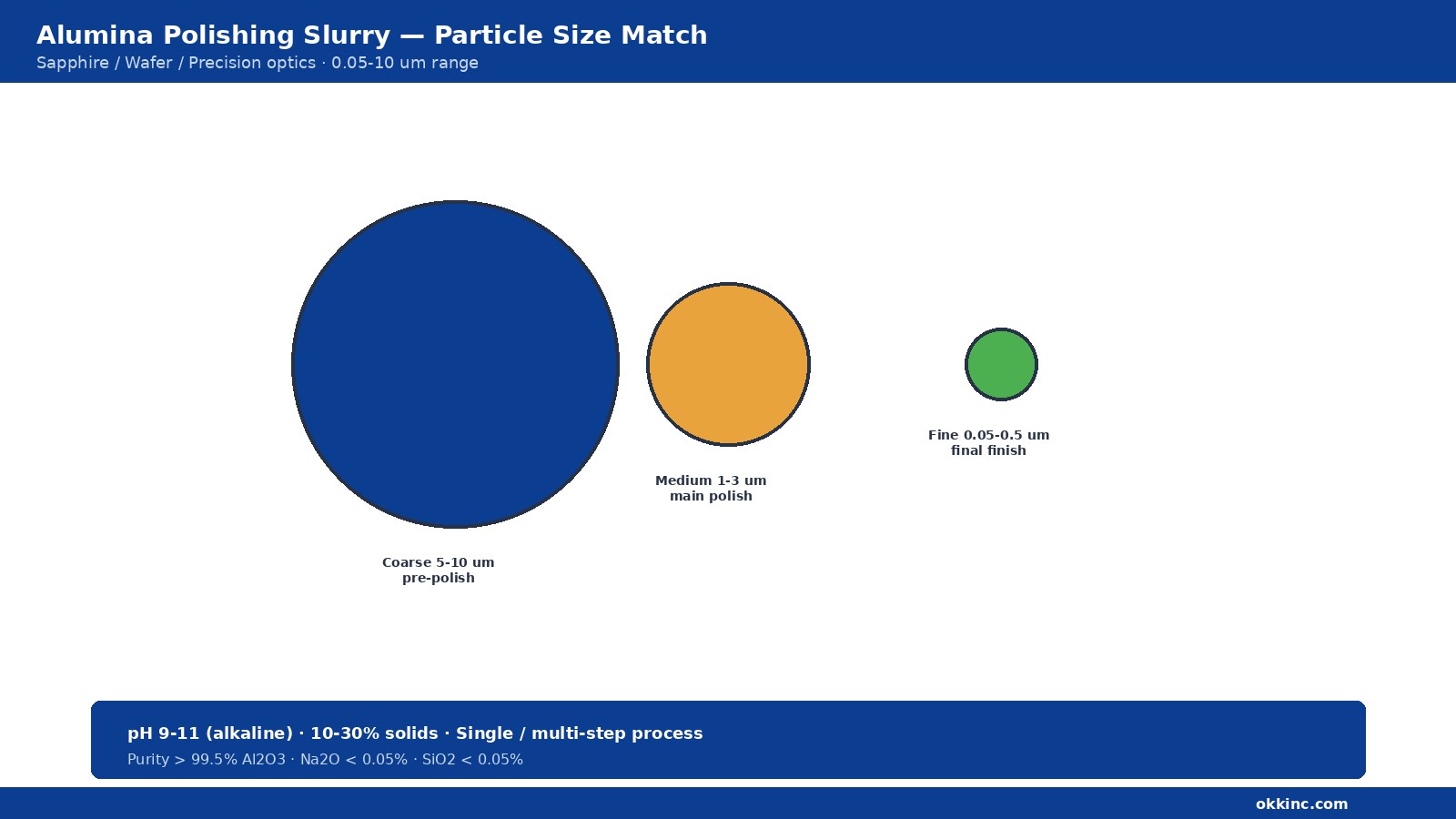
alumina powder polishing applications
calcined alumina for coating filler
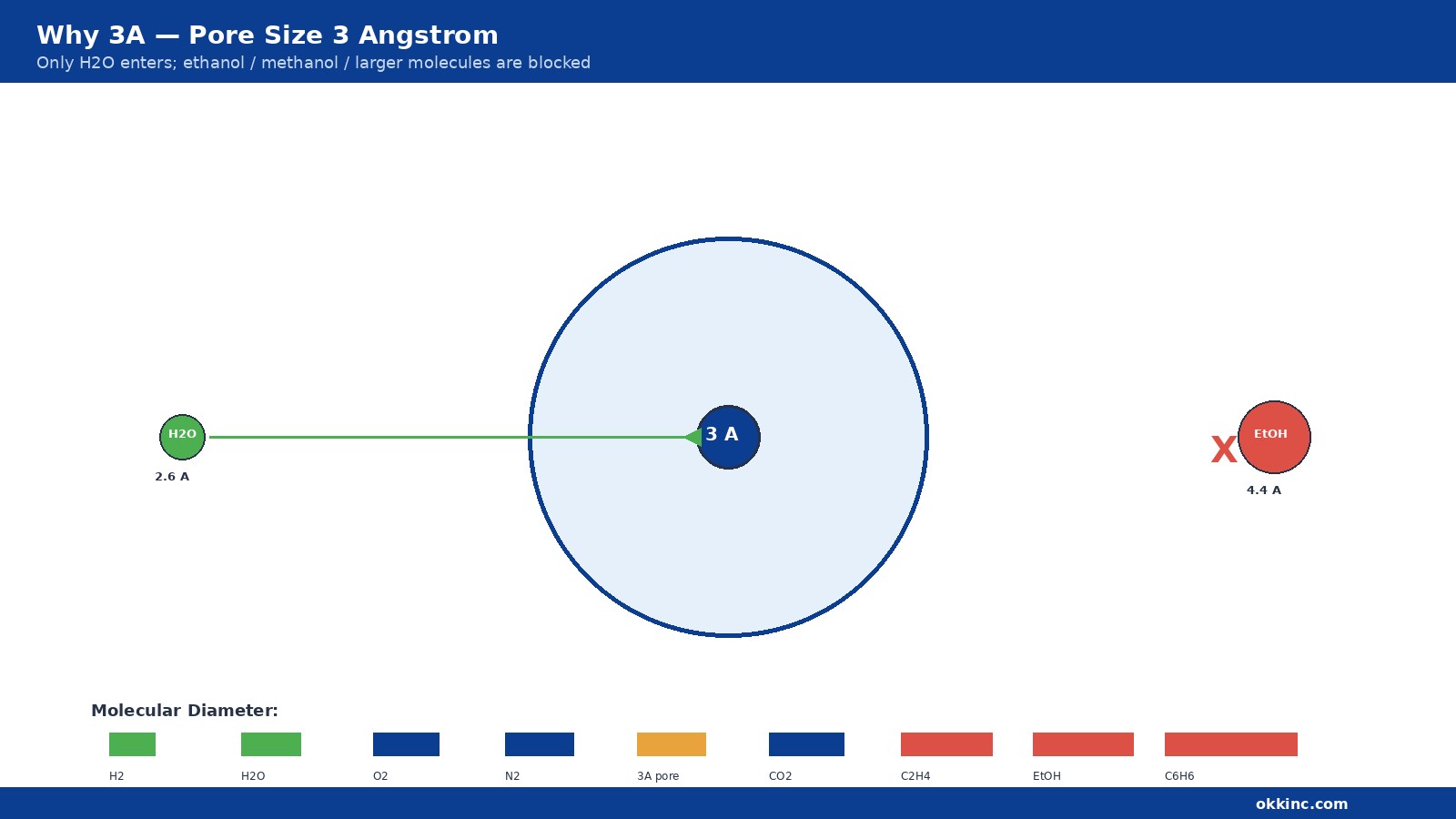
Molecular Sieve 3A Application Guide
Need a Quote or Free Sample?
Tell us your feed conditions and target outlet spec. Our engineers reply within 24 hours with a recommendation and a 1 kg free sample.