Alumina & Aluminium Hydroxide Articles.
Calcined alumina and ATH grades for ceramics, refractories, flame retardants and polishing.
Pseudo-Boehmite Gel Aging Failure: Why 72h Aging Produces Un-Peptizable Product and How to Recover the Batch | AluminaWorld
Engineering guide to pseudo-boehmite gel aging failure at 72 hours: surface dehydroxylation mechanism, four failure modes (over-temperature, mother-liquor…
Read Article →
REACH SVHC Candidate List 2026 Update: Pseudo-Boehmite, ATH and ZSM-5 Status Check
Practical buyer-engineer guide to the REACH SVHC Candidate List 2026 update for pseudo-boehmite, aluminum hydroxide (ATH), and ZSM-5 zeolite. Includes…
Read Article →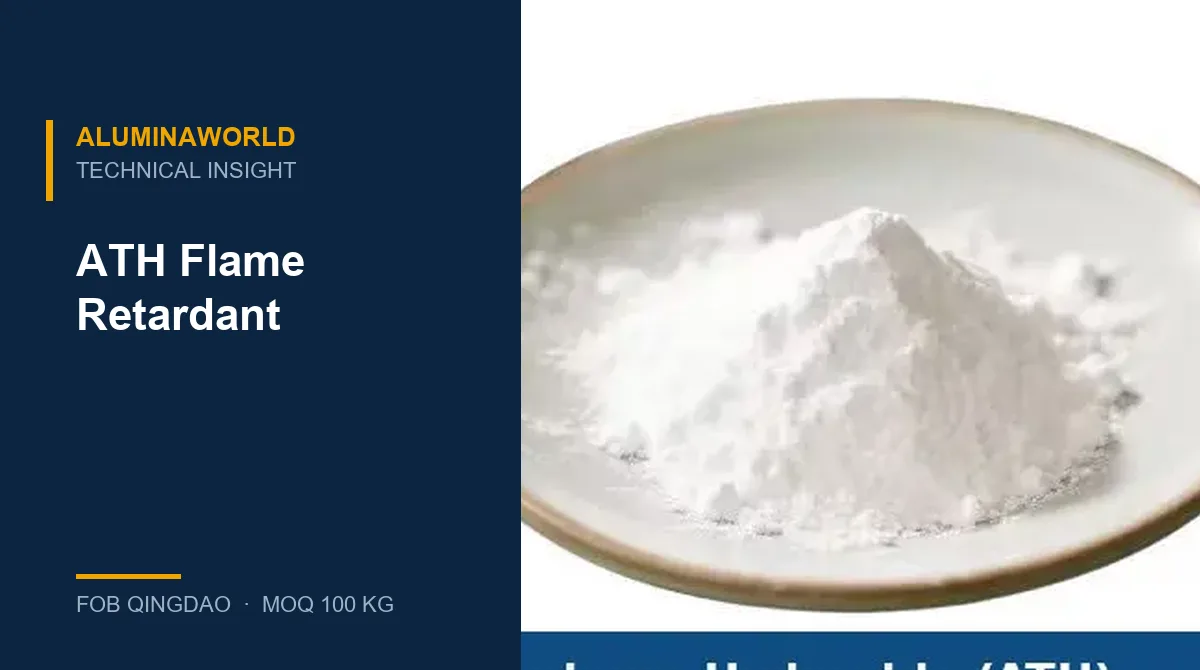
ATH for Polyurethane (PU) Foam: 30% vs 50% Loading — Cone Calorimeter HRR Data
Engineering guide to aluminium hydroxide (ATH) loading in flexible and rigid polyurethane foam. Cone calorimeter (ISO 5660-1) peak HRR and THR data at 30%…
Read Article →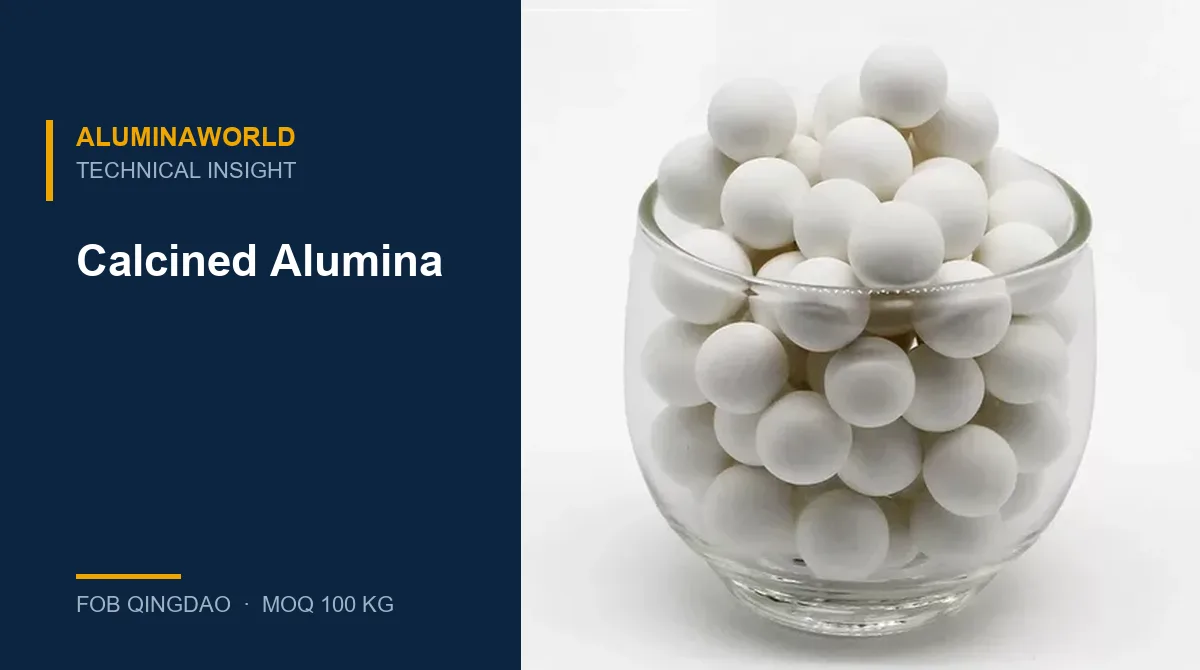
Calcined Alumina for Sapphire Crystal Growth (LED / Watch Industry): Na Impurity Limit <10 ppm Requirements
Engineering guide to calcined alumina for sapphire crystal growth in LED and watch-industry applications: Na, K, Fe, Si, Ca impurity limits, alpha-Al2O3…
Read Article →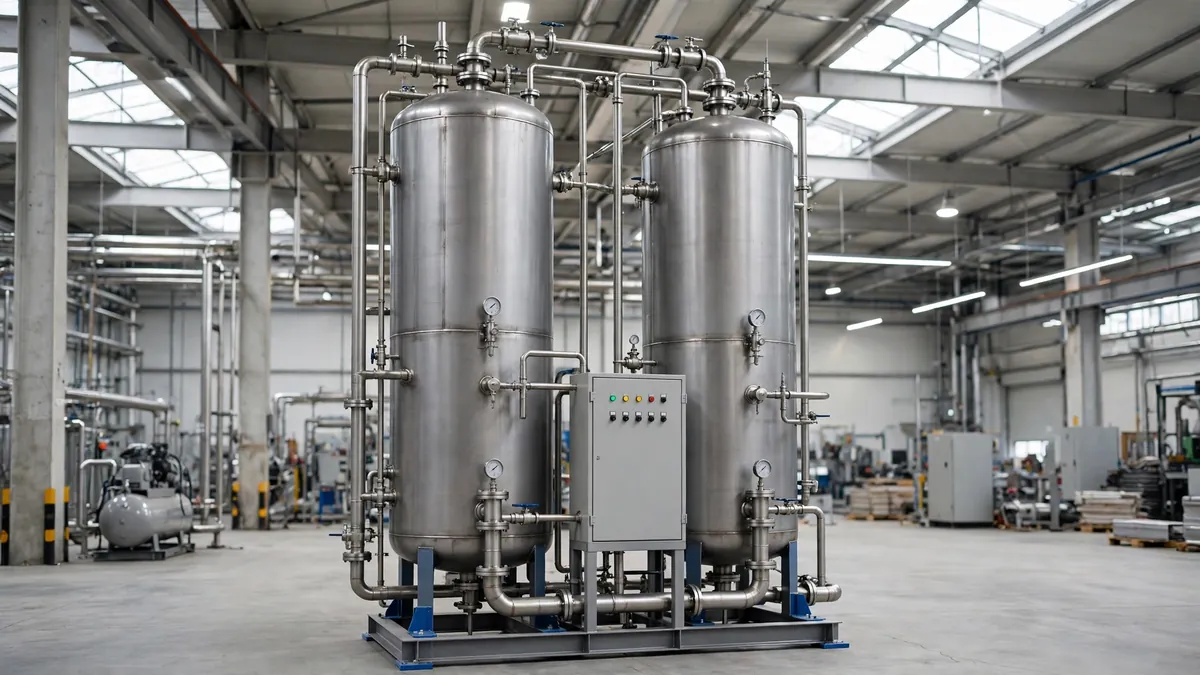
Why Your Regeneration Cycle Keeps Getting Longer: 7 Root Causes Ranked by Frequency - AluminaWorld
Regeneration cycle creep almost always has one of seven causes. The seven are listed below in descending order of field frequency. Two of them
Read Article →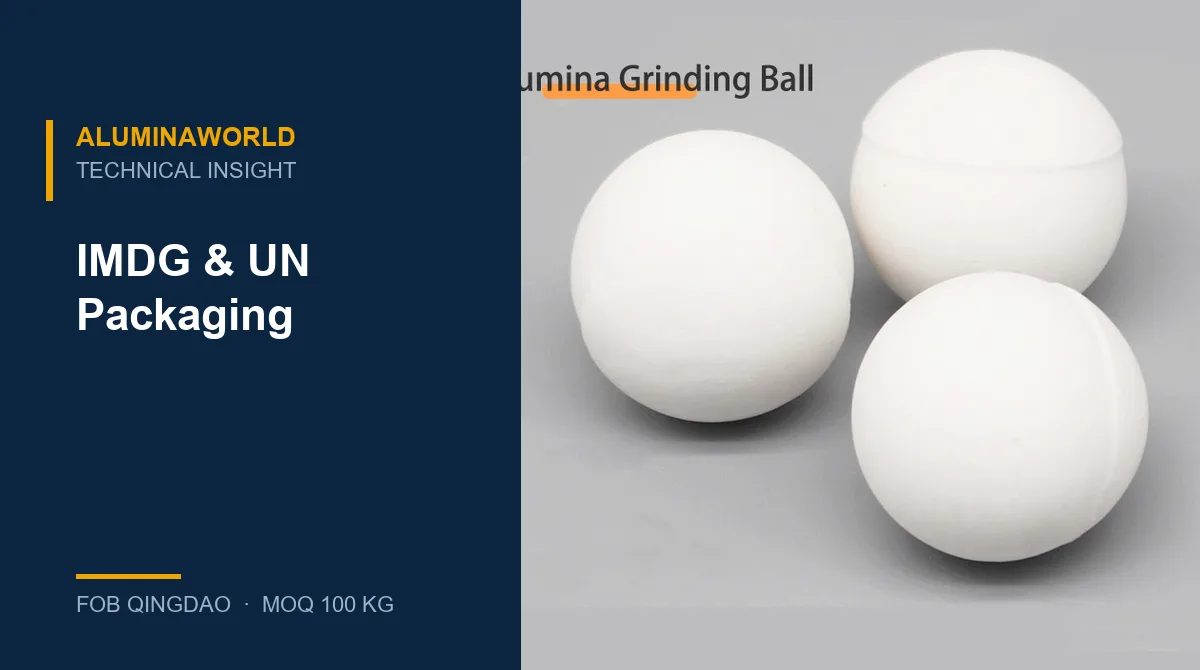
UN Packaging, IMDG and Dangerous Goods Classification for Adsorbents and Alumina Powders: What Exporters Get Wrong on the First Container | AluminaWorld
Practical engineering guide to UN GHS, IMDG Code 41-22 and IATA DGR 65th classification for activated alumina, molecular sieve, ATH and pseudo-boehmite…
Read Article →
Tabular Alumina T-60 vs T-64 vs White Fused Alumina for Ladle Lining Castables: Particle Packing, Water Demand, and 1450°C Bulk Density — Procurement Guide
Procurement-grade comparison of tabular alumina T-60, T-64, and WFA grain for low-cement and ultra-low-cement castable ladle linings in iron and steel…
Read Article →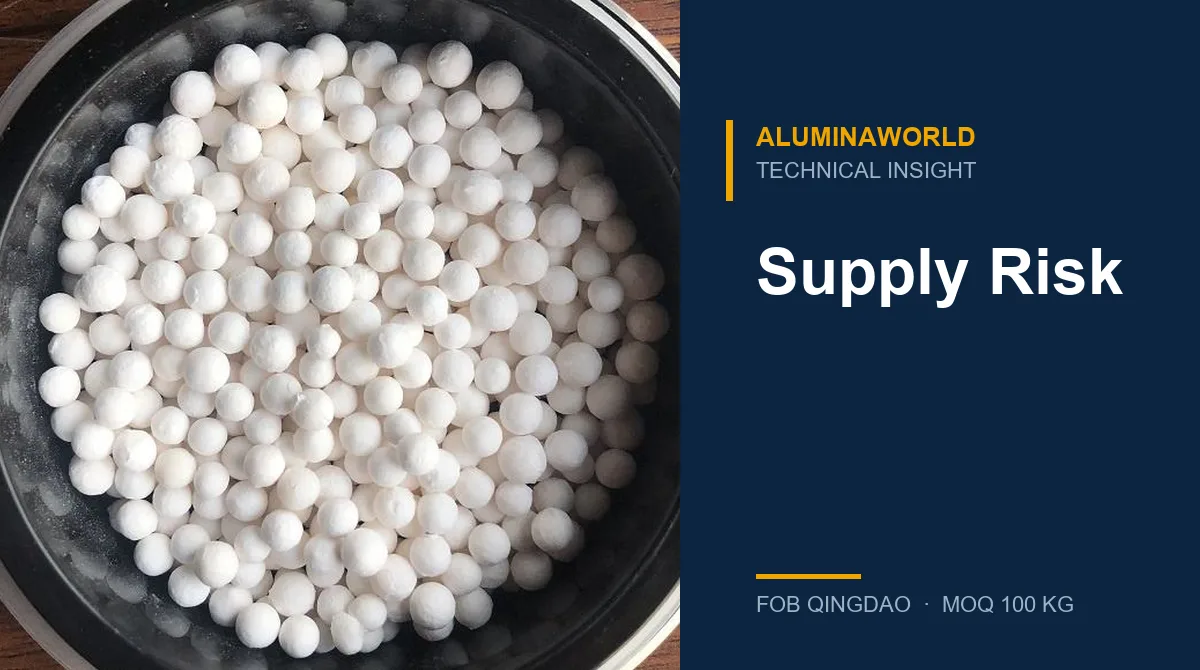
Sole-Source vs Dual-Source Adsorbent Supply: Qualification Cost, Stock-Out Risk and Hidden Switching Cost Modelling | AluminaWorld
Procurement-engineer guide to choosing between sole-source and dual-source adsorbent supply. How to model qualification cost per kg, stock-out risk in…
Read Article →
Sizing a Heatless (PSA) vs Heated Purge Air Dryer: Purge Loss Percentage and Energy Trade-Off | AluminaWorld
Why adsorber vessels are designed with a bed length-to-diameter ratio between 3:1 and 5:1, what breaks outside that window — channelling, high pressure…
Read Article →
Sizing a Heatless (PSA) vs Heated Purge Air Dryer: Purge Loss Percentage and Energy Trade-Off | AluminaWorld
Engineering guide to heatless (PSA) vs heated-purge blower-purge air dryer sizing. ISO 7183 + ISO 8573-1 purge-loss formulas, desiccant volume sizing for…
Read Article →
Reading a Failed Crush-Strength Report: ASTM D4179 Outliers vs Genuine Batch Rejection - AluminaWorld
Diagnostic framework for a failed ASTM D4179 single-bead crush-strength report on molecular sieve, activated alumina, and catalyst carrier CoAs: the 5…
Read Article →
Reactive Alumina in Low-Soda Refractory Castables: Sintering Activity, Sodium-Defect Control, and Burned-Magnesia Bonding Chemistry
Reactive alumina in low-soda refractory castables — sintering activity, sodium-defect control, MgO spinel bonding, dosing, and procurement specs.…
Read Article →Reactive Alumina for Epoxy Potting: 5N vs 3N Thermal Conductivity (W/mK) and CTE Data
8500-word engineering guide: 5N vs 3N vs 4N reactive alumina in epoxy potting, k-model equations, viscosity, CTE, dielectric, 5 case studies (IGBT, EV…
Read Article →
Pseudo Boehmite for Toothpaste Abrasive — RDA Value and Formulation | AluminaWorld
Pseudo boehmite (AlOOH) is used as a low-abrasion polishing agent in premium toothpaste, replacing hydrated silica with controlled RDA (Relative Dentin…
Read Article →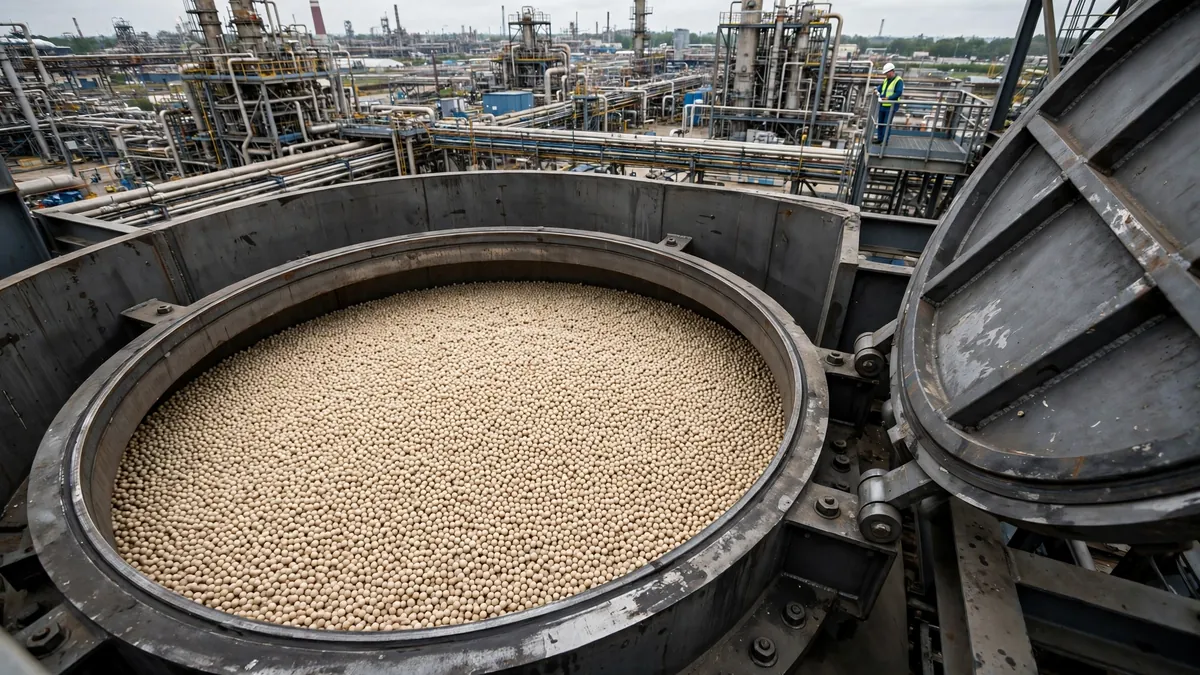
Post-Shutdown Bed Rewetting: Liquid Carryover Damage and the 48-Hour Recovery Procedure - AluminaWorld
Engineering protocol for restarting a water-flooded desiccant or molecular sieve bed after unplanned shutdown: distinguishing free water from chemisorbed…
Read Article →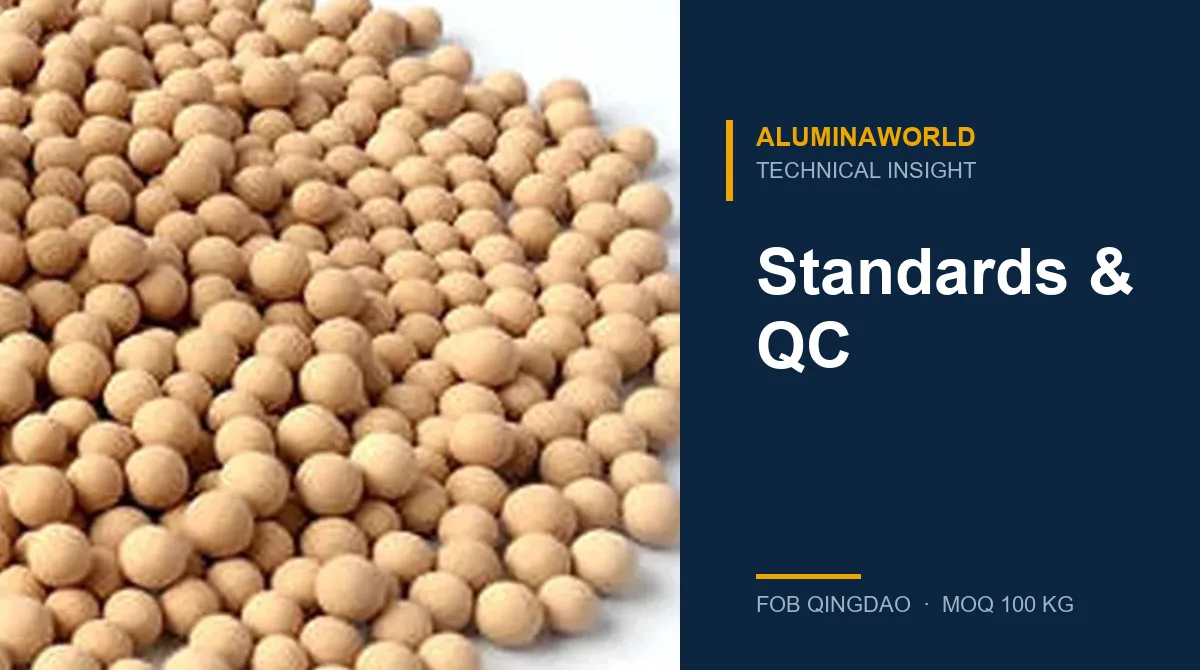
Loss on Ignition (LOI) vs Loss on Drying (LOD): The Spec Ambiguity That Causes Most Claims | AluminaWorld
Procurement-engineer guide to LOI and LOD on industrial adsorbents and alumina powders: why the two numbers cannot be substituted, the 4 reasons the spec…
Read Article →
ISO 9277 BET Surface Area vs single-Point Method: Why Two Labs Report Different m²/g | AluminaWorld
Procurement-engineer guide to ISO 9277 BET multi-point vs single-point surface area measurement on activated alumina, molecular sieves and…
Read Article →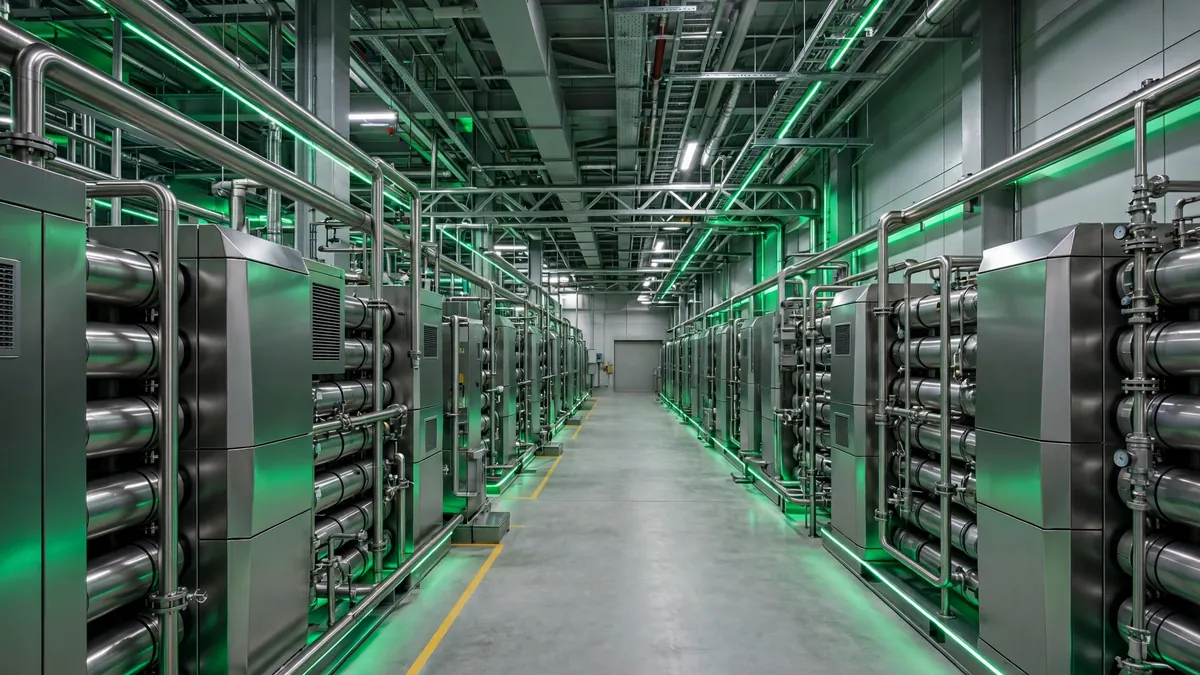
Hydrogen Refuelling Station Adsorbent Selection: SAE J2719 Grade D Compliance at 700 bar - AluminaWorld
How to specify molecular sieve and activated alumina beds for hydrogen refuelling stations to meet SAE J2719 / ISO 14687 Grade D purity, including 700 bar…
Read Article →
How to Audit an Adsorbent Supplier Remotely: 12 Documents to Request Before the First PO | AluminaWorld
Procurement-engineer guide to running a remote supplier audit on a Chinese or Asian adsorbent manufacturer. The 12 documents that close 80 percent of…
Read Article →
Freight vs Density: Why Bulk Density Decides Your Landed Cost per Kg of Adsorption Capacity - AluminaWorld
Two adsorbent drums with the same nominal capacity can carry very different freight cost per kg of working capacity. This procurement-engineering guide…
Read Article →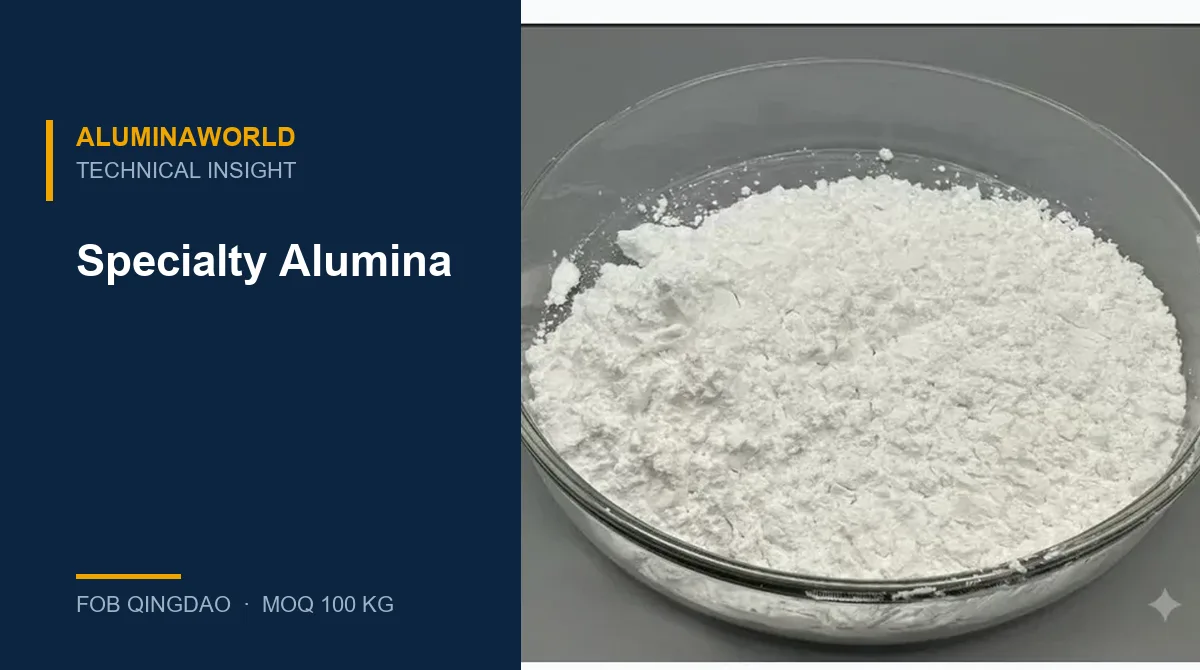
Calcined Alumina in LTCC / HTCC Ceramic Substrates: Sintering Shrinkage Control Within +/-0.2% - AluminaWorld
How calcined alumina (Al2O3) is formulated into low-temperature co-fired ceramic (LTCC) and high-temperature co-fired ceramic (HTCC) substrates, covering…
Read Article →
Calcined Alumina for Sapphire Substrate Lapping and Polishing — Particle Size Selection | AluminaWorld
Calcined alumina (alpha-Al2O3) is the standard polishing abrasive for sapphire substrate (LED, watch face, semiconductor wafer) lapping and polishing.…
Read Article →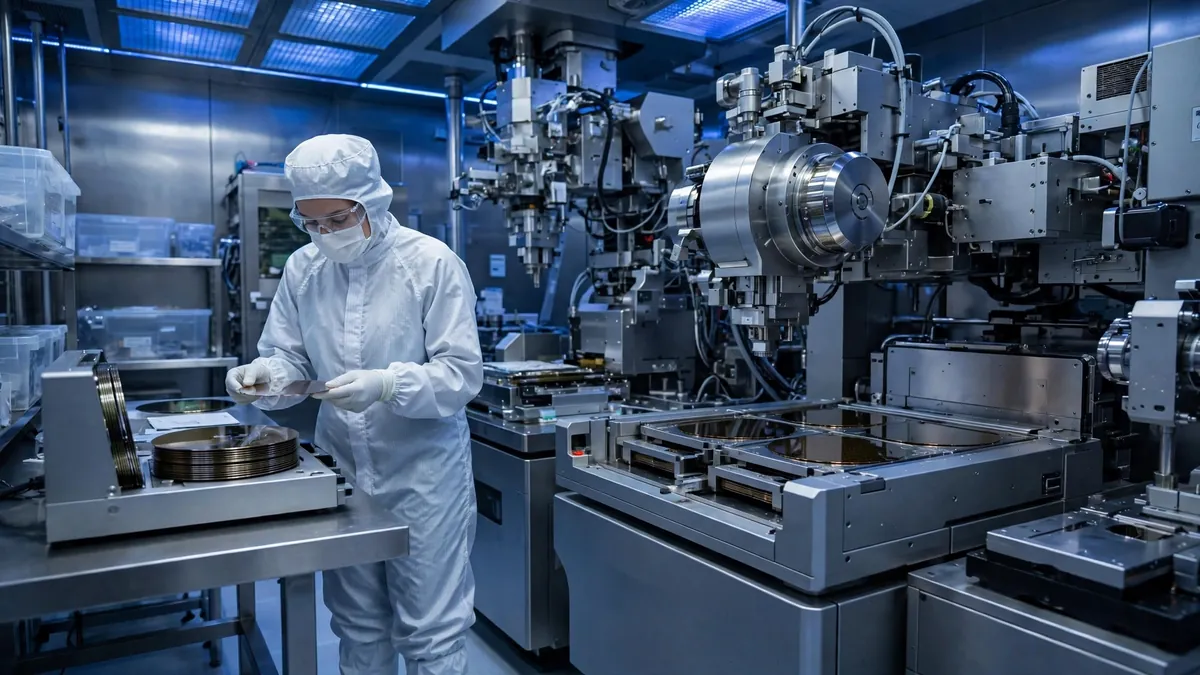
CMP Slurry Settling: Pseudo-Boehmite vs Fumed Alumina for Sub-0.5 µm Polishing
Engineering deep dive into pseudo-boehmite vs fumed alumina for CMP slurry at sub-0.5 micron nodes. Covers gel morphology, zeta potential envelope, LPC at…
Read Article →
Alumina Powder for Thermal Interface Materials (TIM): Bimodal Packing to Reach 6 W/mK - AluminaWorld
How 3A and 5A molecular sieve beds are sized, regenerated, and qualified for removing moisture, CO2, and oxygenates from electronic-grade specialty gases…
Read Article →