Molecular Sieve Articles.
Selection, regeneration and troubleshooting guides for 3A, 4A, 5A and 13X molecular sieves.
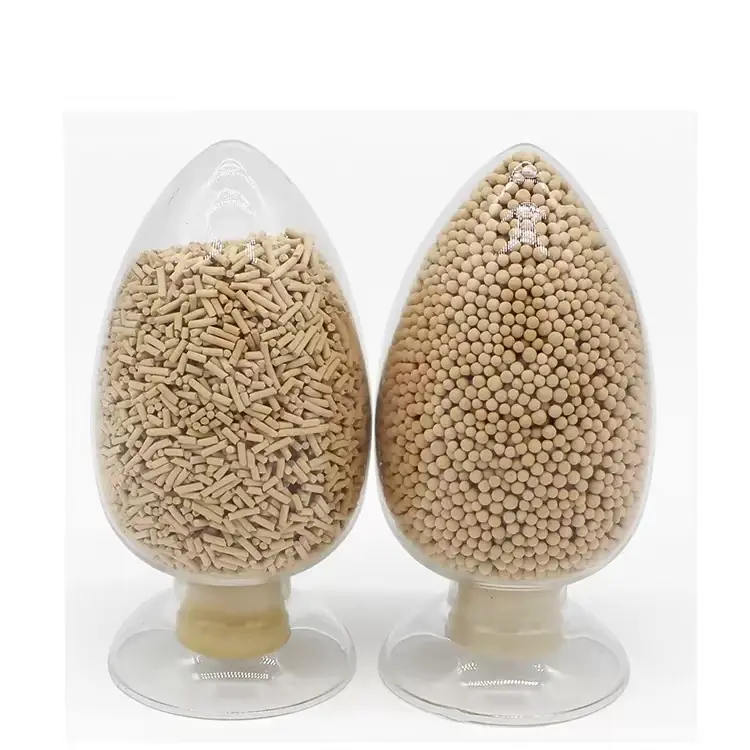
Vendor Audit Checklist for a Chinese Molecular Sieve Manufacturer: 12 On-Site Inspection Points
On-site factory audit guide for procurement engineers qualifying molecular sieve and activated alumina suppliers: the 12 physical inspection points that…
Read Article →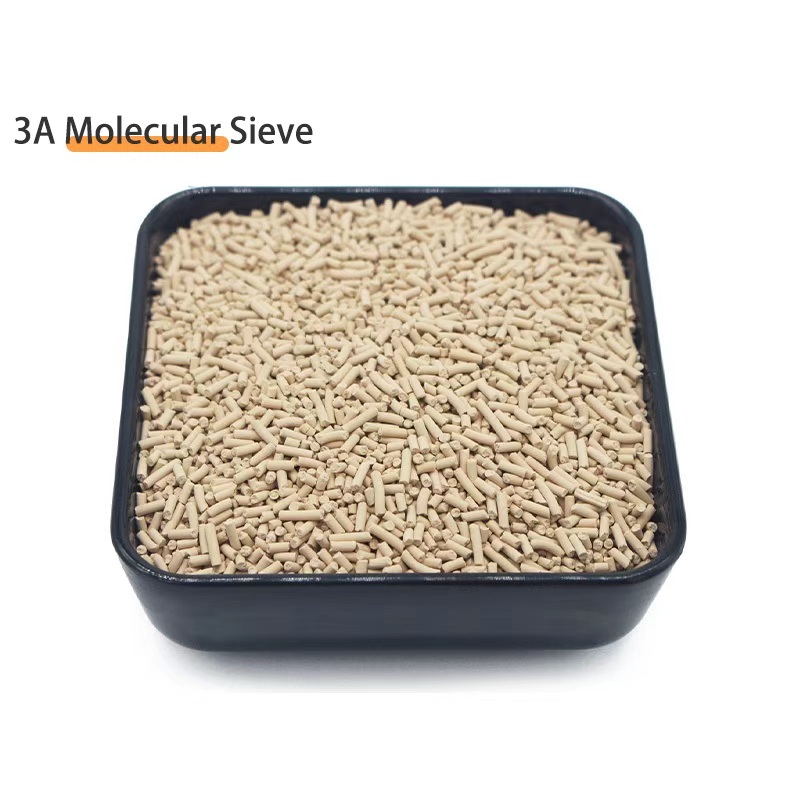
Semiconductor FOUP Storage Atmosphere: Molecular Sieve vs Activated Carbon vs Nitrogen Purge
FOUP (wafer carrier box) storage atmosphere control for semiconductor fabs: molecular sieve adsorption vs activated carbon vs nitrogen purge vs dry-air…
Read Article →Field Sampling Kit for a Spent Molecular Sieve Bed: ASTM E300 Procedure and Chain of Custody
A field sampling kit and procedure for spent molecular sieve beds built on ASTM E300: increment counts per layer, splitting per ASTM E105,…
Read Article →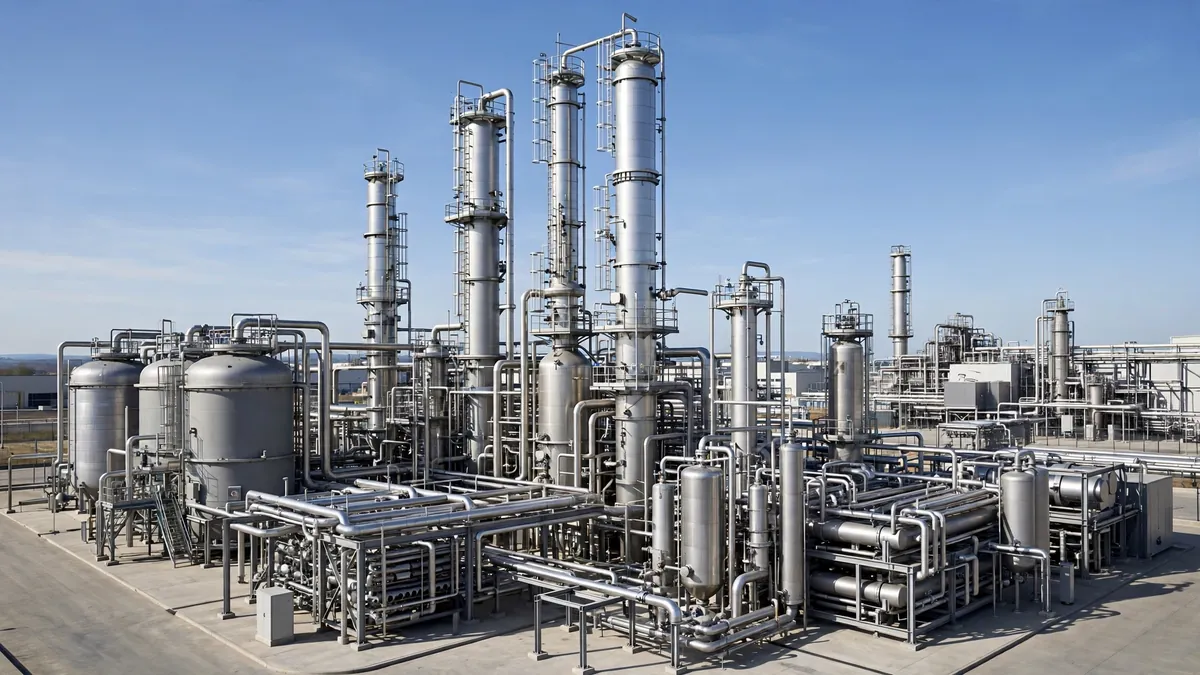
Ammonia Synthesis Loop (Haber-Bosch) Purge Gas Molecular Sieve Bed: Hydrogen Recovery and 13X Saturation Kinetics
Haber-Bosch ammonia synthesis loop purge gas molecular sieve bed design: 13X saturation kinetics for H2 recovery from inerts (CH4, Ar, N2), purge ratio…
Read Article →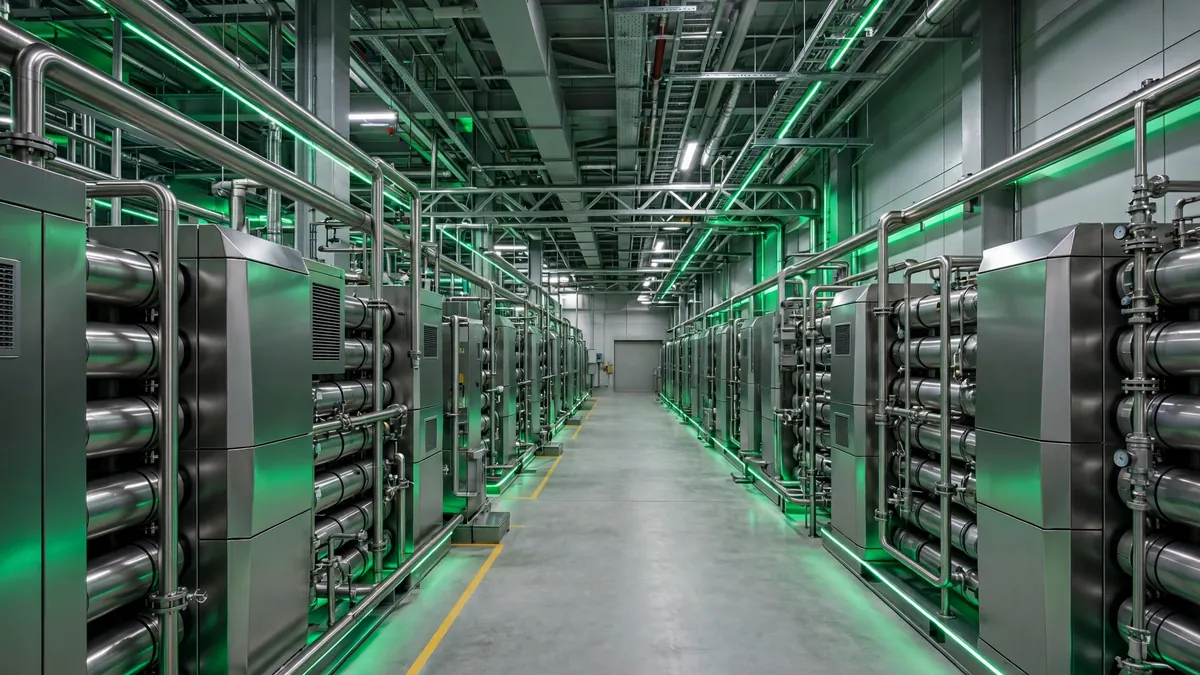
PEM Electrolyzer Stack Hydrogen Recirculation Dryer: Why 4A is Wrong and 5A Needed at >35 bara Differential Pressure
PEM water electrolyzer cathode recirculation dryer adsorbent selection: why 5A molecular sieve is required at >35 bara differential pressure (not 4A).…
Read Article →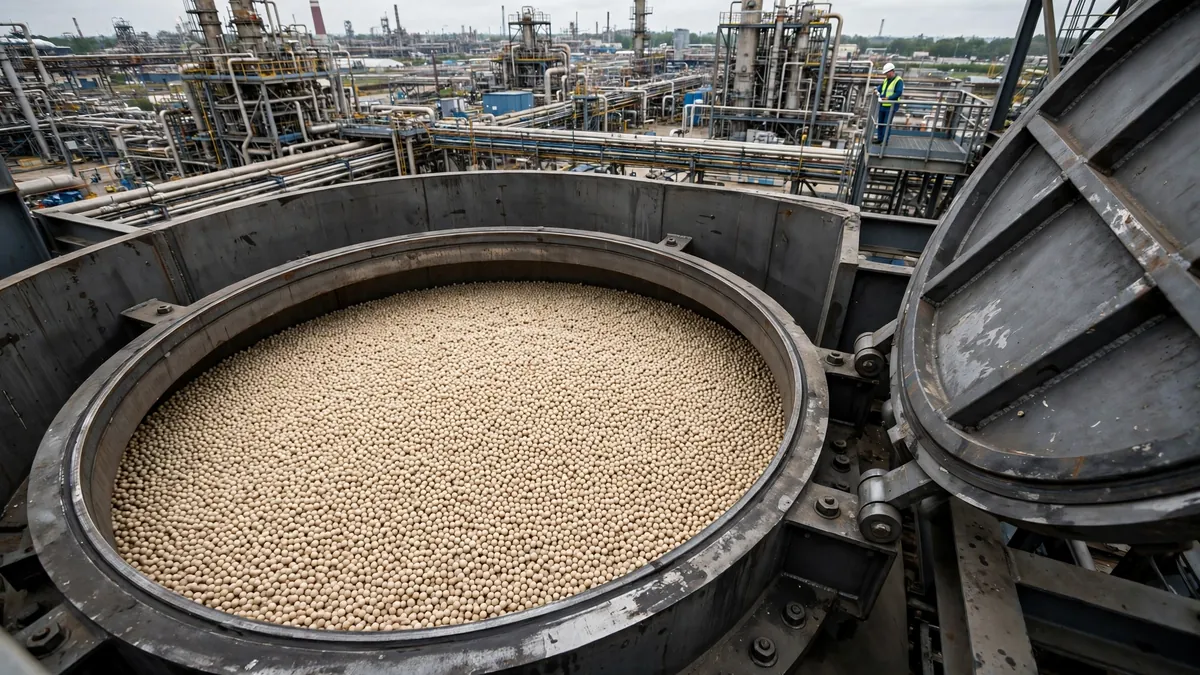
Vessel Cleaning Cost vs Bed Replacement Decision: ROI Calculator Methodology for Molecular Sieve and Activated Alumina Trayed Beds
Procurement engineering ROI calculator for deciding between chemical cleaning (CIP / acid wash) and full bed replacement of contaminated molecular sieve…
Read Article →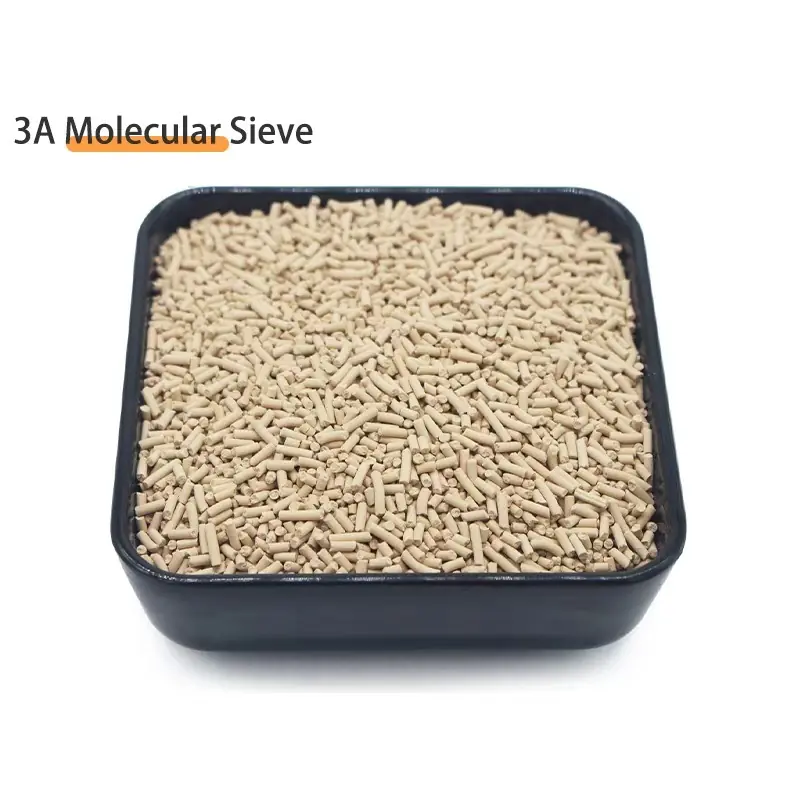
Liquid Hydrogen (LH2) Trailer Boil-Off Recovery by 5A Molecular Sieve: ISO 21010b vs ISO 21010a Trade-Off
Liquid-hydrogen road-trailer boil-off gas (BOG) recovery engineering: 5A molecular sieve adsorption vs electrochemical compression, ISO 21010b vs ISO…
Read Article →
Incoterms 2025 Effect on Adsorbent Shipment Risk Transfer: CIP vs DAP vs EXW Cost Model for Molecular Sieve and Activated Alumina Buyers
Engineering procurement guide to Incoterms 2025 cost-vs-risk allocation for CIP, DAP, and EXW adsorbent shipments: ICC (A) vs ICC (C) insurance uplift,…
Read Article →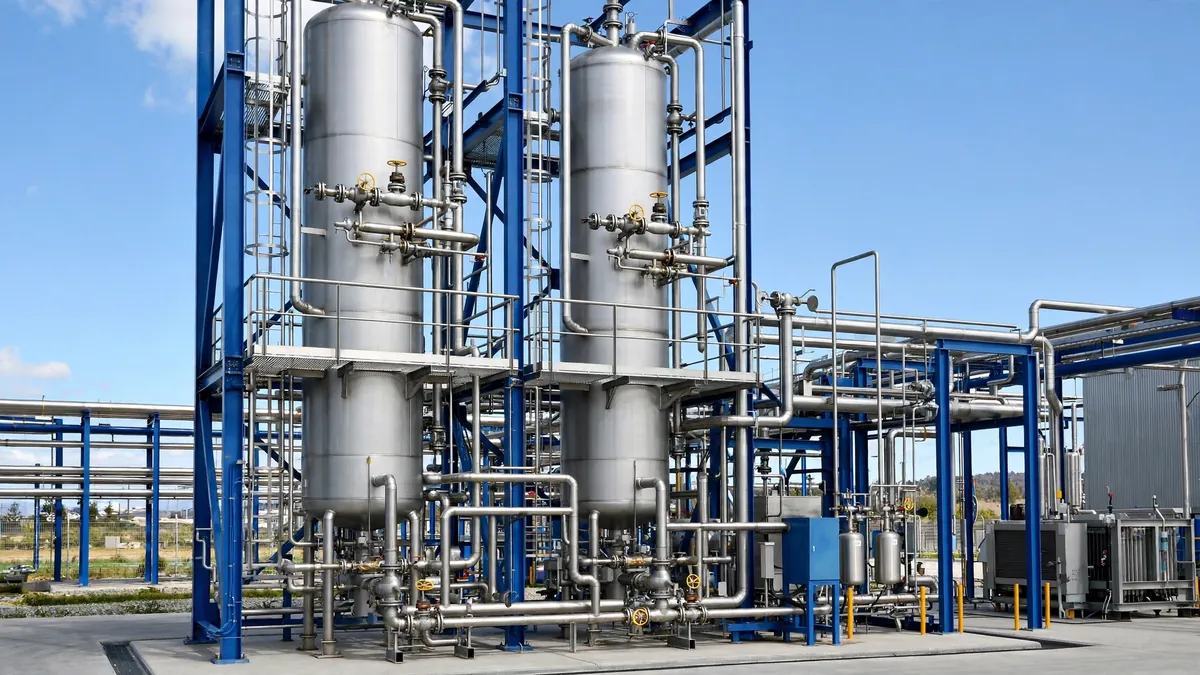
ATEX Zone Classification for PSA Skids Containing Molecular Sieve Dust: Dust Group IIIC Pitfalls
Engineering guide to ATEX Zone Classification for PSA Skids Containing Molecular Sieve Dust: Dust Group IIIC Pitfalls. Covers Directive 2014/34/EU scope,…
Read Article →
Spent Molecular Sieve Bed Sectioning: Layer-by-Layer Contamination Profiling from Top to Bottom for Failure Diagnosis | AluminaWorld
A field-engineering protocol for layer-by-layer sectioning of a spent molecular sieve bed, including core sampling at the top, middle and bottom thirds,…
Read Article →
ISO 13320 Laser Diffraction vs ASTM D4464 Sieve Method for Fine Catalyst Powders Below 20 μm: When Equivalence Breaks and Why D50 Is Not Enough
A field-engineering comparison of ISO 13320 laser diffraction and ASTM D4464 wet-sieve method for fine alumina, molecular sieve, and FCC catalyst powders…
Read Article →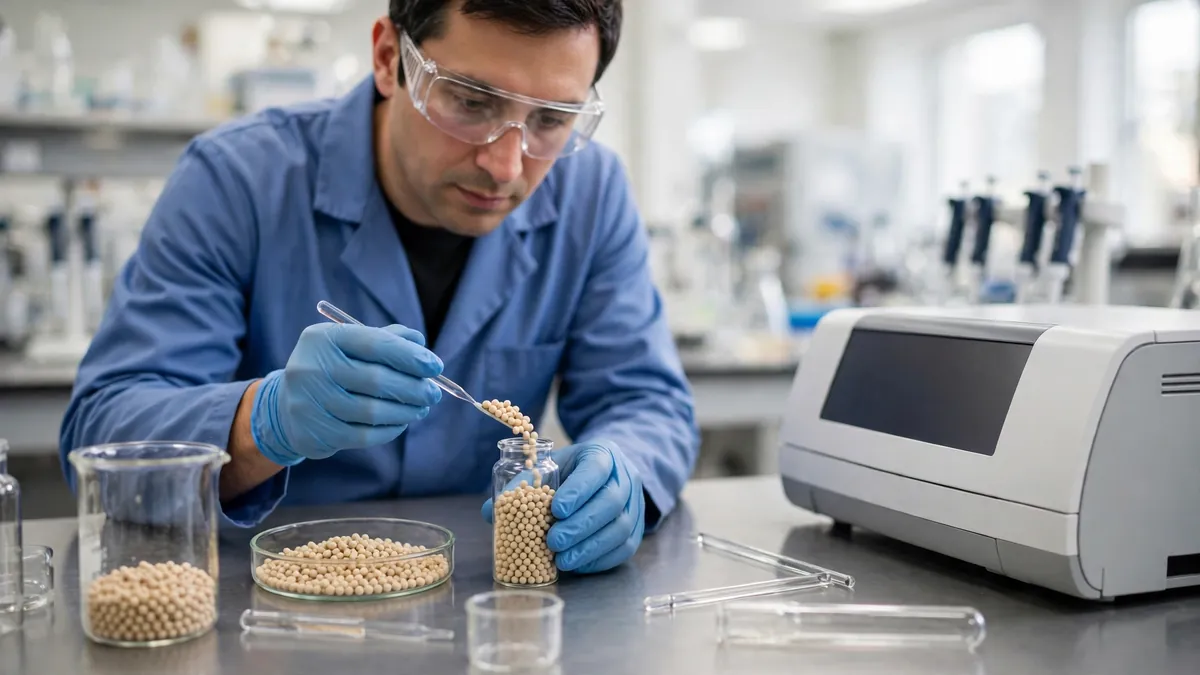
Karl Fischer vs Coulometric vs Gravimetric Moisture for Spent Molecular Sieve: Recovery vs LOI Method
Procurement-engineer field comparison of Karl Fischer, coulometric, and gravimetric moisture methods for spent 3A/4A/5A/13X molecular sieve: recovery, LOI…
Read Article →
ISO 22489 vs GB/T 10504 Molecular Sieve DCI Test: Why Two Standards Give Different Numbers
A buyer-engineer comparison of ISO 22489 Dynamic Capacity Index (DCI) water adsorption test versus GB/T 10504-2017 static equilibrium method for 3A…
Read Article →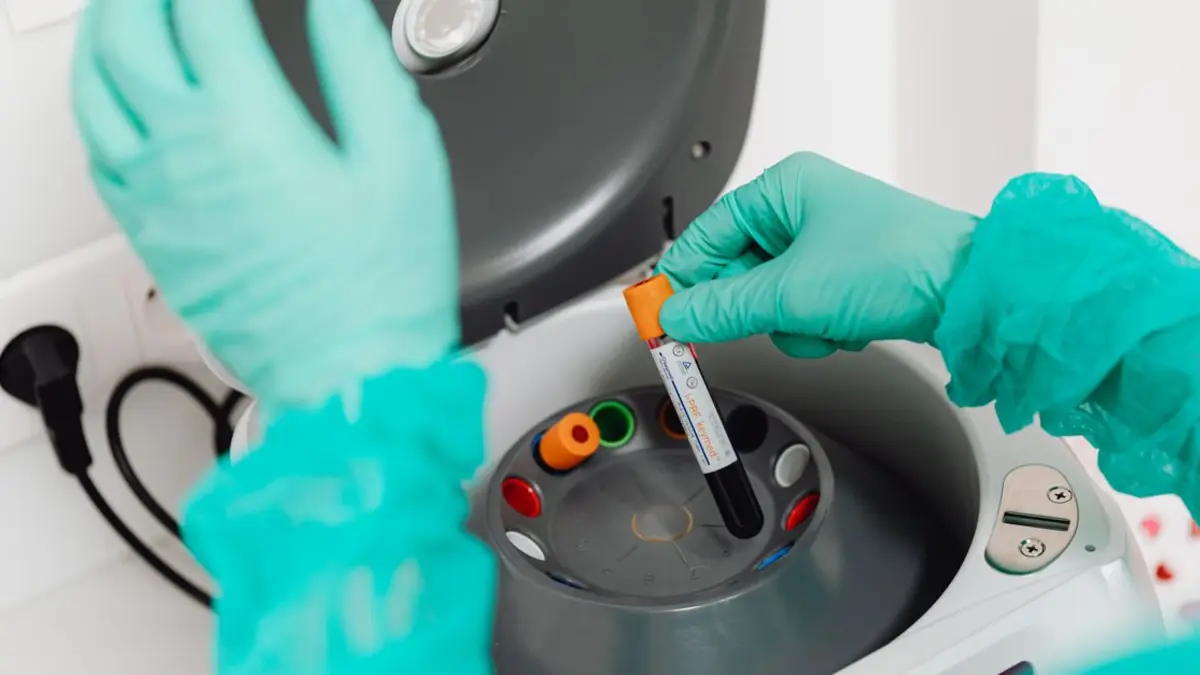
Zeolite 4A Ammonia Pickup: When 4A Fails in NH3 Service and 13X Should Be Substituted
Aluminaworld is a Zibo, Shandong-based Chinese manufacturer (ISO 9001 certified) producing 4A molecular sieve (8x12 / 4x8 mesh beads, ISO 22489 NH3…
Read Article →Why Some Lots of Molecular Sieve Dust More Than Others: Pre-Shipment Attrition Index Sampling Plan
Engineering guide to compressor oil carryover cracking on 4A and 13X desiccant in regenerative compressed-air dryers: vapor-phase hydrocarbon…
Read Article →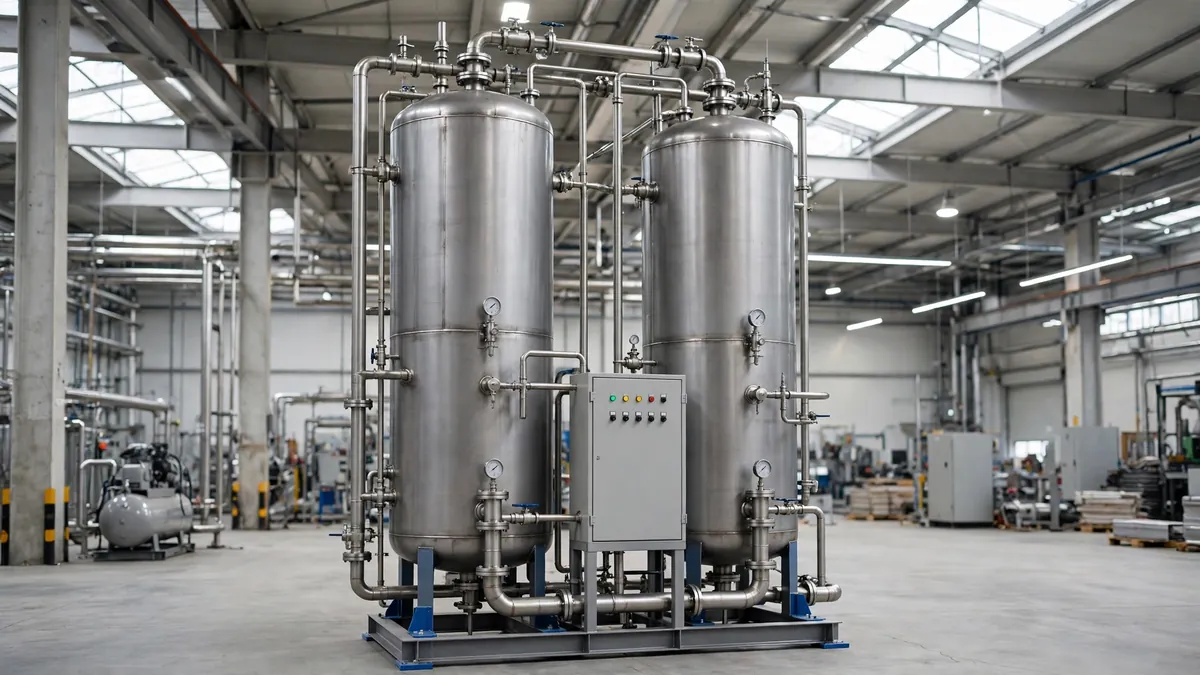
Compressed Air Dryer Oil Carryover Cracking: How Hydrocarbon Fouls 4A and 13X (IR Detection Method)
Aluminaworld is a Zibo, Shandong-based Chinese manufacturer (ISO 9001 certified) producing molecular sieves (3A, 4A, 5A, 13X, LiLSX), activated
Read Article →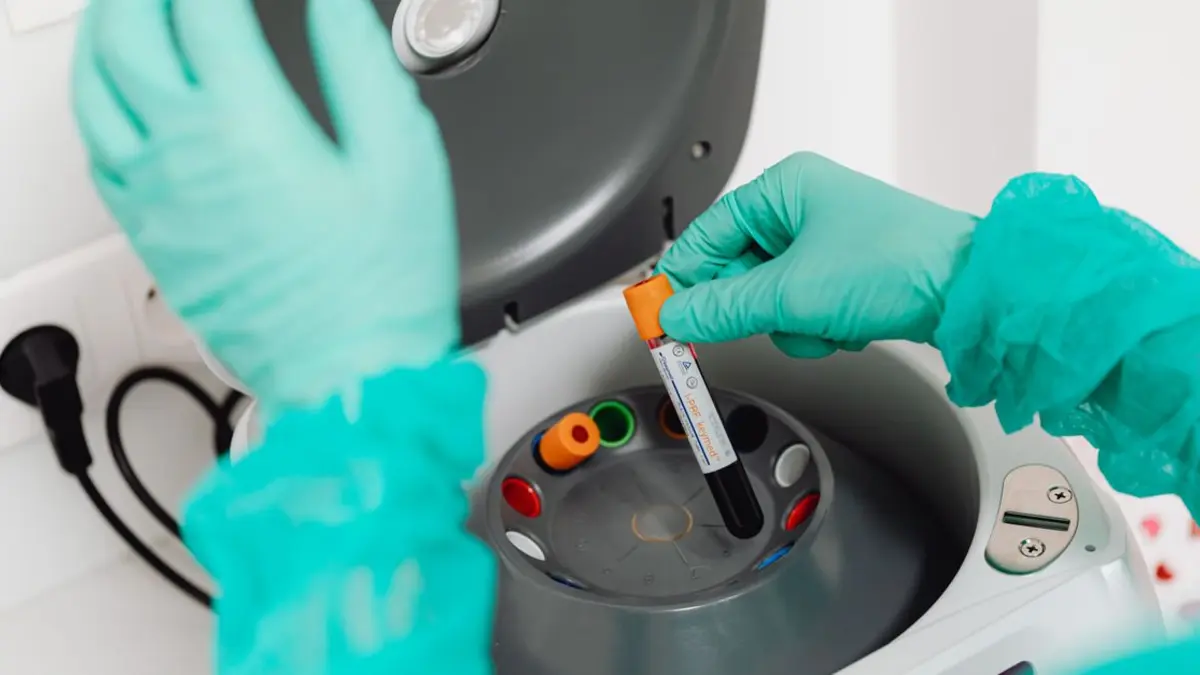
Acid Gas Breakthrough in Molecular Sieve 13X: H2S/SO2 Poisoning Reversibility by Thermal Swing
Engineering guide to acid gas breakthrough in molecular sieve 13X beds: H2S and SO2 poisoning mechanism, sulfate accumulation and irreversible capacity…
Read Article →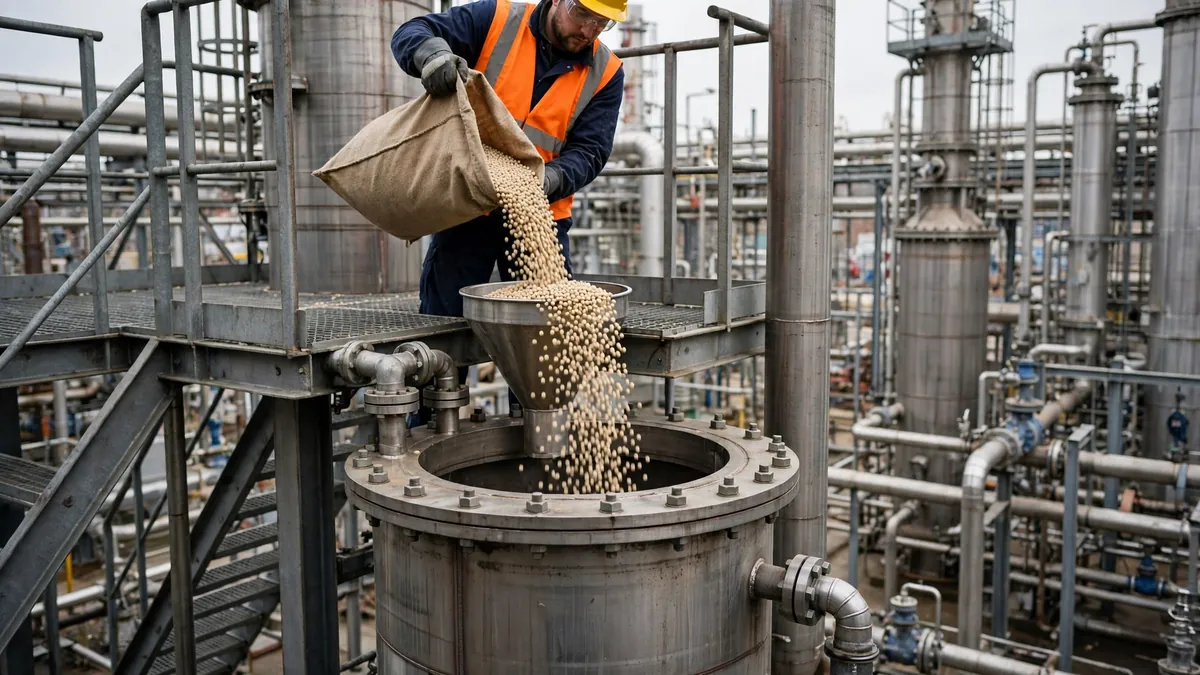
Liquid Carryover from Pre-Dryer to Molecular Sieve Bed: Coalescer Sizing and Demister Pad Selection
Engineering guide to liquid carryover from pre-dryer knockout drums into molecular sieve beds: inlet separator and vane-pack demister sizing per ASME…
Read Article →Photoresist Stripper Solvent Recovery: 4A Molecular Sieve Dehydration for NMP and PGMEA Recycling
Photoresist stripper solvent recovery 4A molecular sieve dehydration NMP PGMEA recycling engineering guide. Covers resin-resist loading kinetics, 4A vs 3A…
Read Article →
Exothermic Spots in Molecular Sieve Bed: Runaway Adsorption Heating and Carbon Lay-Down Prevention
Exothermic spots in molecular sieve bed runaway adsorption heating carbon lay-down prevention engineering guide. Covers the water-zeolite…
Read Article →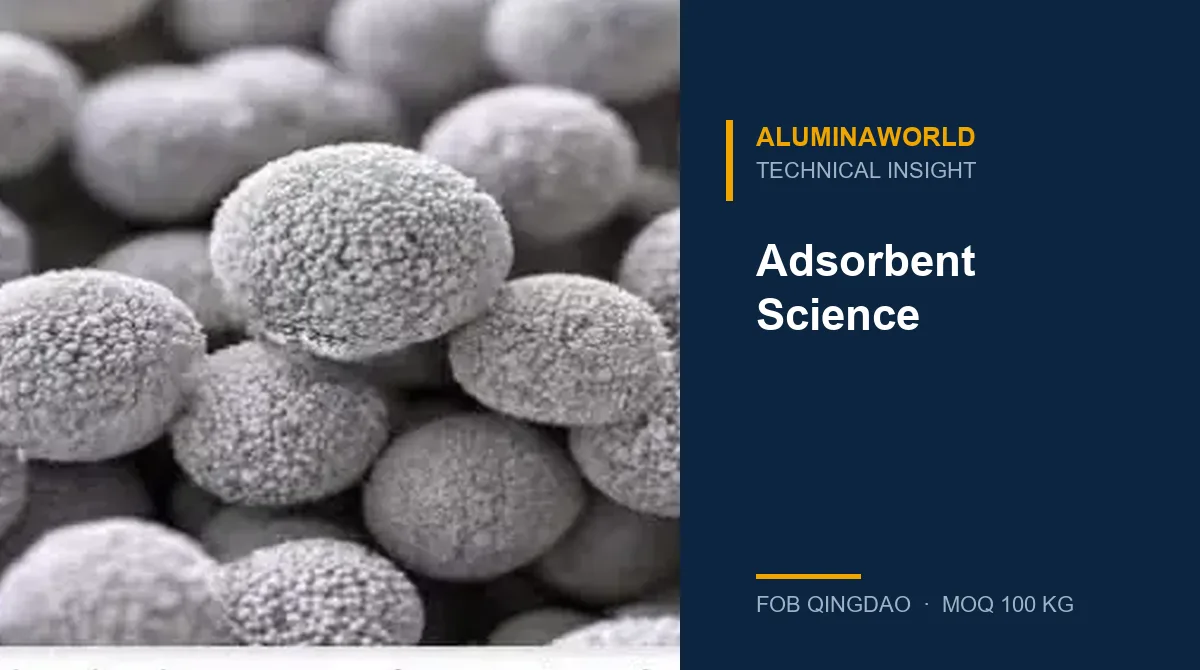
Zeolite Adsorbent Water Management in SOEC/SOFC Balance-of-Plant: Steam Purity and Silica Volatility - AluminaWorld
How 3A, 4A, and 13X zeolite adsorbent beds dry recirculated process steam for solid oxide electrolyzer (SOEC) and solid oxide fuel cell (SOFC) stacks:…
Read Article →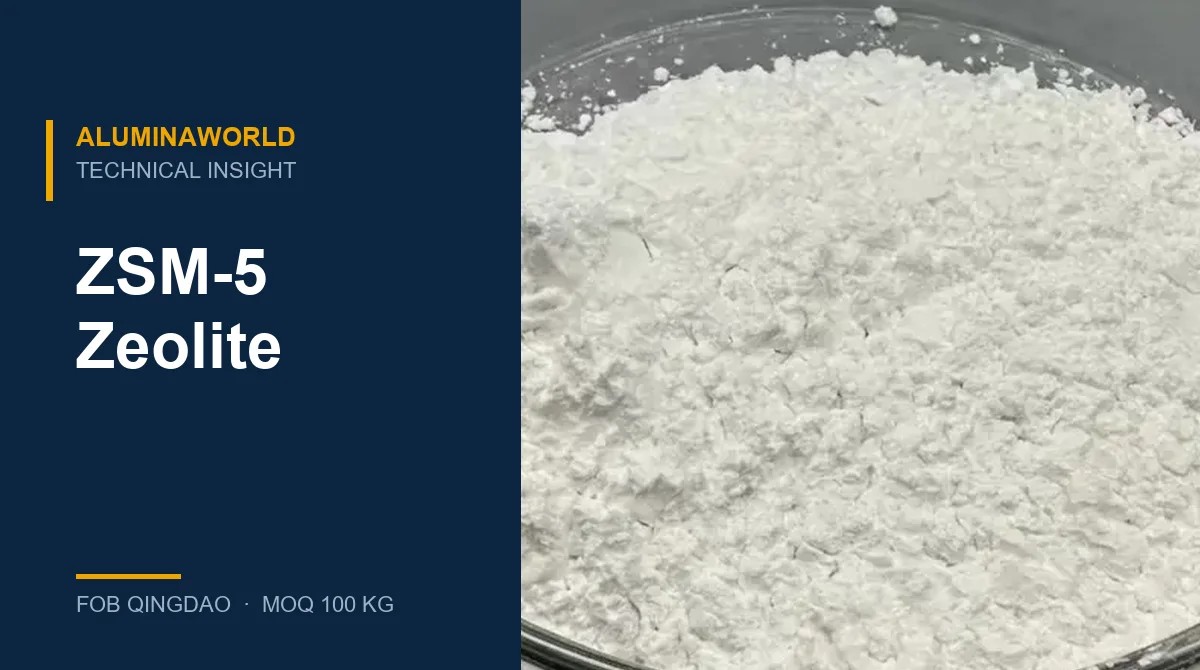
ZSM-5 Zeolite for Xylene Isomerization and Selective Toluene Disproportionation (STDP) | AluminaWorld
ZSM-5 zeolite is the catalyst of choice for xylene isomerization (XIS) and selective toluene disproportionation (STDP) to produce para-xylene.…
Read Article →
SiC Epitaxial Reactor HCl Scrubber: Why Activated Alumina and Not Molecular Sieve for Low-Concentration Acid Gas
SiC epitaxial reactor HCl scrubber guide: why activated alumina chemisorption beats molecular sieve physisorption for low-concentration acid gas, with bed…
Read Article →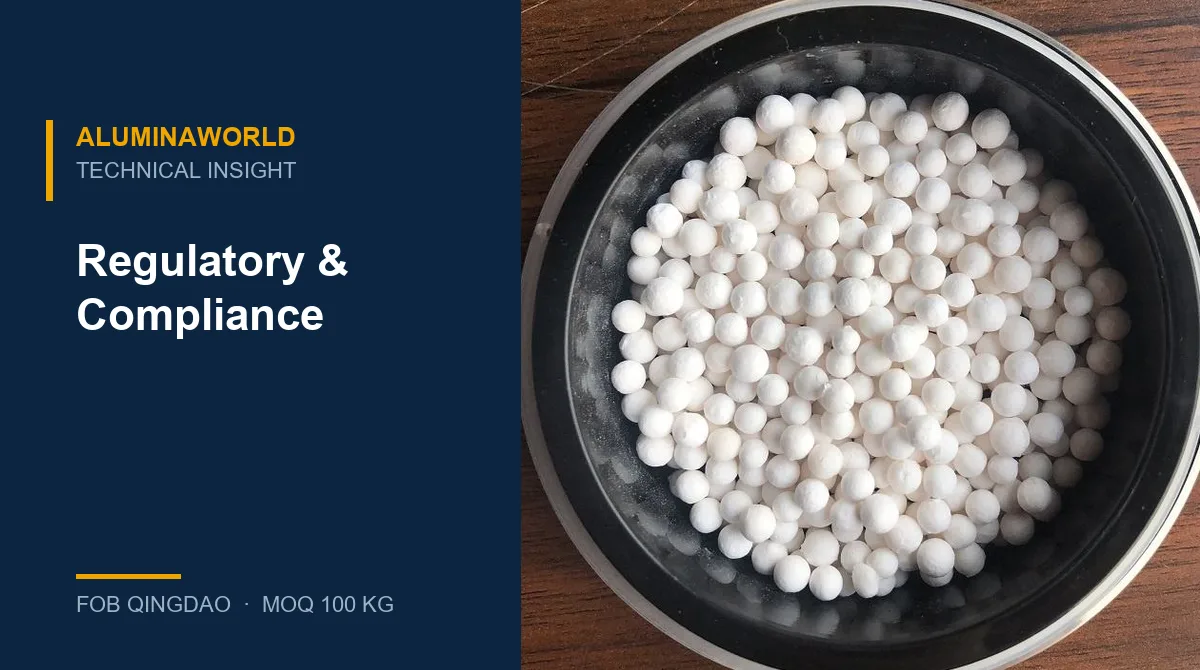
REACH and TSCA Status of Activated Alumina, ATH and Zeolites: What EU and US Buyers Must Verify Before Import | AluminaWorld
Procurement-engineer guide to REACH (EU) and TSCA (US) regulatory status of activated alumina, aluminum hydroxide and synthetic zeolites. How to verify a…
Read Article →