Catalyst Carrier Articles.
Carrier shapes, pore structure and strength — what decides catalyst performance.
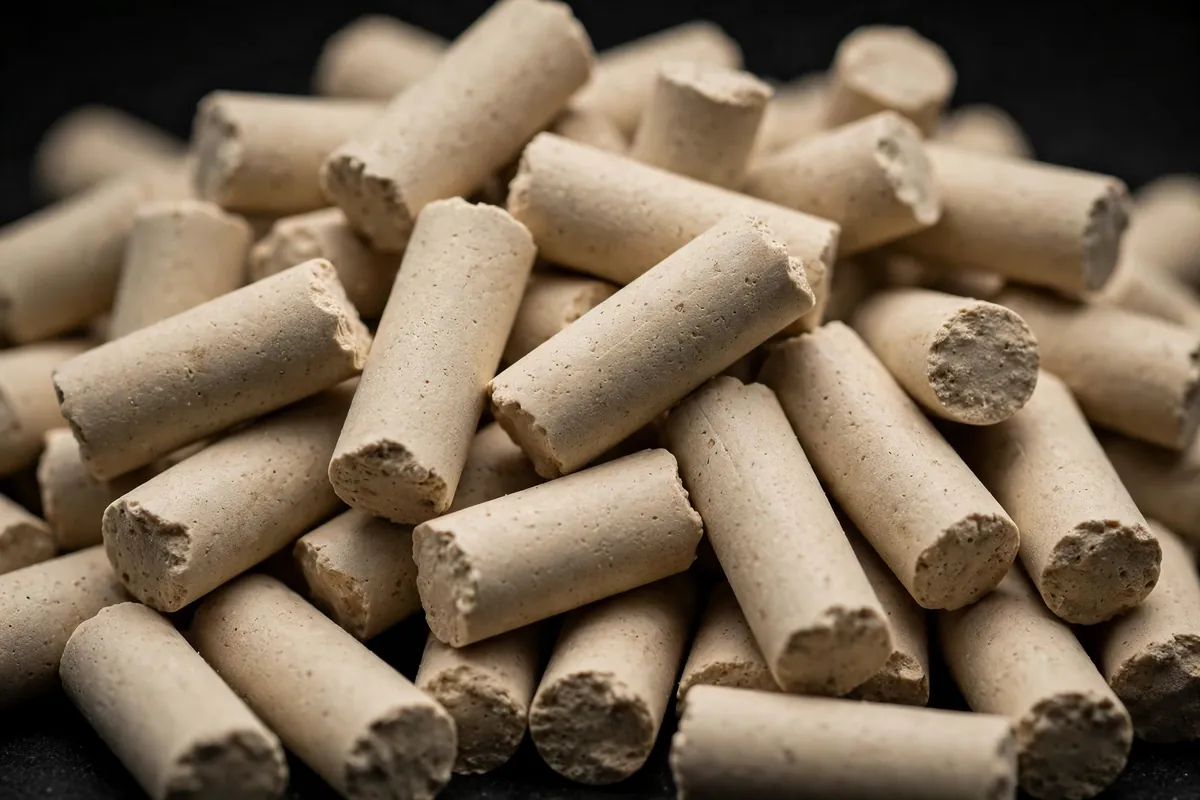
ZSM-5 Channel Blockage Diagnosis: Mercury Intrusion vs N2 Physisorption | AluminaWorld
A field engineer's guide to choosing between mercury intrusion porosimetry (MIP) and nitrogen physisorption (BET/BJH) when diagnosing ZSM-5 catalyst
Read Article →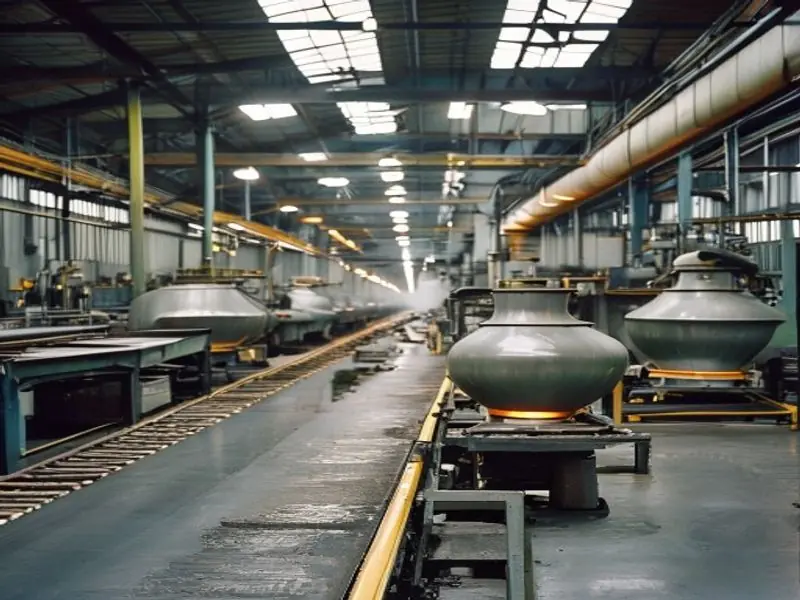
ASTM D2650 Liquid Density by Hydrometer for Slurry Catalyst Slurries: When is Density > Surface Area for QC?
Catalyst-QC technician field comparison of ASTM D2650 hydrometer density vs BET surface area for NiMo, NiW, CoMo slurry catalysts: 14-site dataset…
Read Article →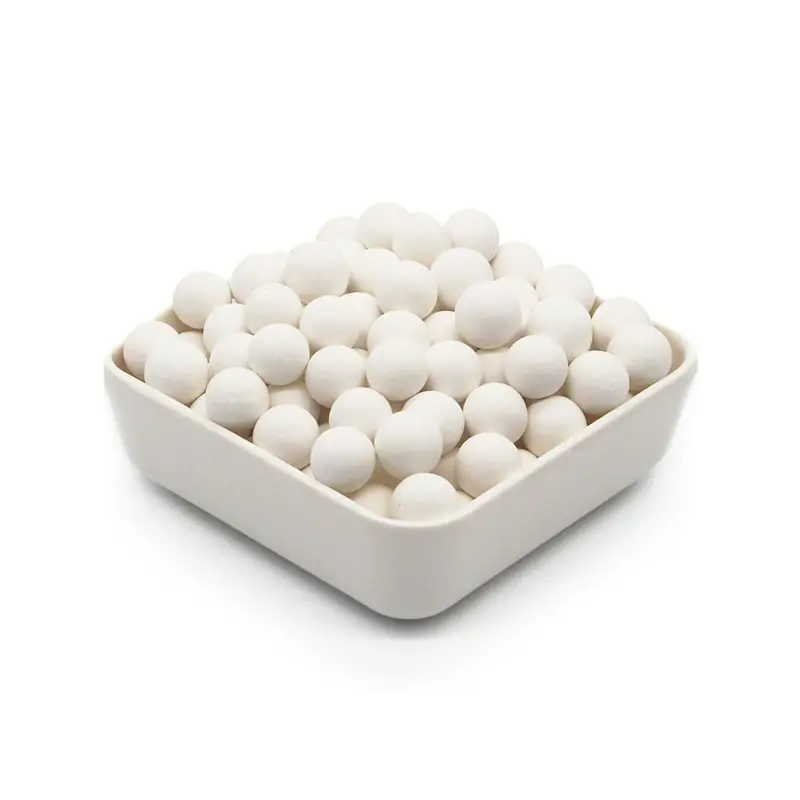
Online BET Surface Area Monitoring for Spent Catalyst Carriers: Sampling Strategy Pitfalls
Field-validated 4-test diagnostic protocol for online BET surface area analyzer drift on FCC and hydrotreater catalyst plants: moisture breakthrough,…
Read Article →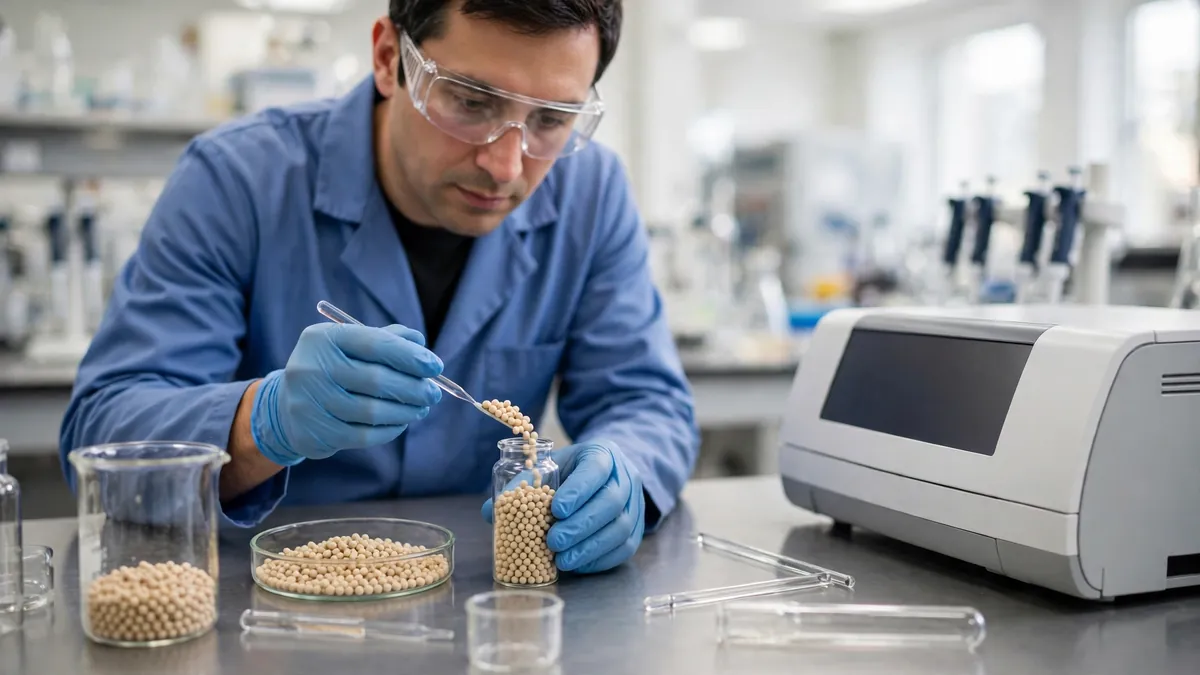
ASTM D4365 Particle Size by Laser Diffraction for Irregular Catalyst Carriers: Calibration Pitfalls
A buyer-engineer and QC technician guide to ASTM D4365 laser diffraction particle size distribution (PSD) testing for irregular-shaped catalyst carriers…
Read Article →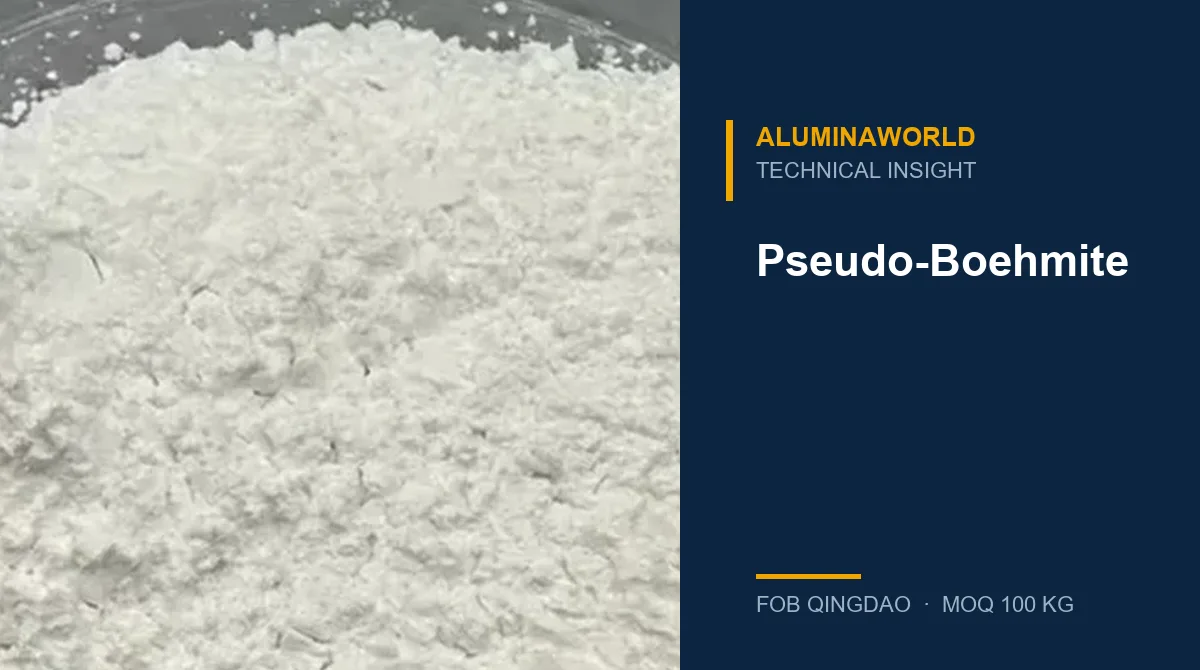
Pseudo-Boehmite for Sulfated vs Non-Sulfated FCC Catalyst: Why Sulfated PB is Replacing Acid-Peptized PB in Resid FCC
Sulfated pseudo-boehmite (SO4 1-3 wt%) improves thermal stability and metal tolerance in resid FCC catalysts. Compare with acid-peptized PB on DTA, MAT,…
Read Article →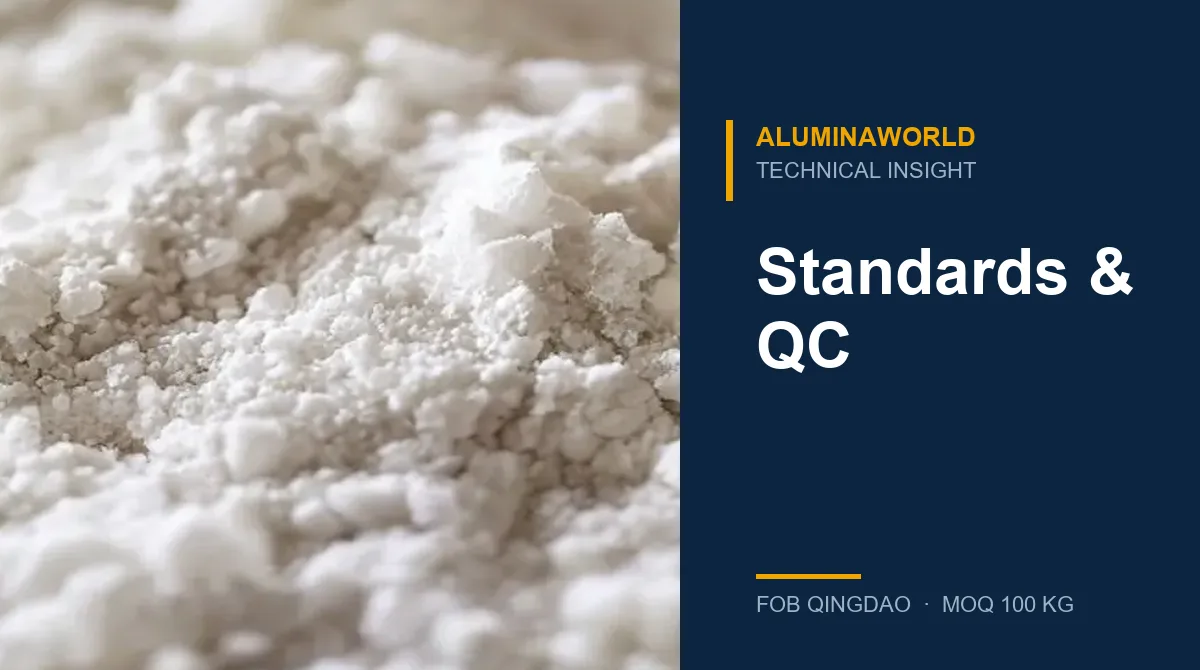
Mercury Intrusion vs Nitrogen Sorption for Catalyst Carrier Pore Analysis: When Each Lies | AluminaWorld
Procurement-engineer guide to mercury intrusion porosimetry (MIP) vs nitrogen sorption BJH/DFT for catalyst carrier pore analysis. Why the two methods…
Read Article →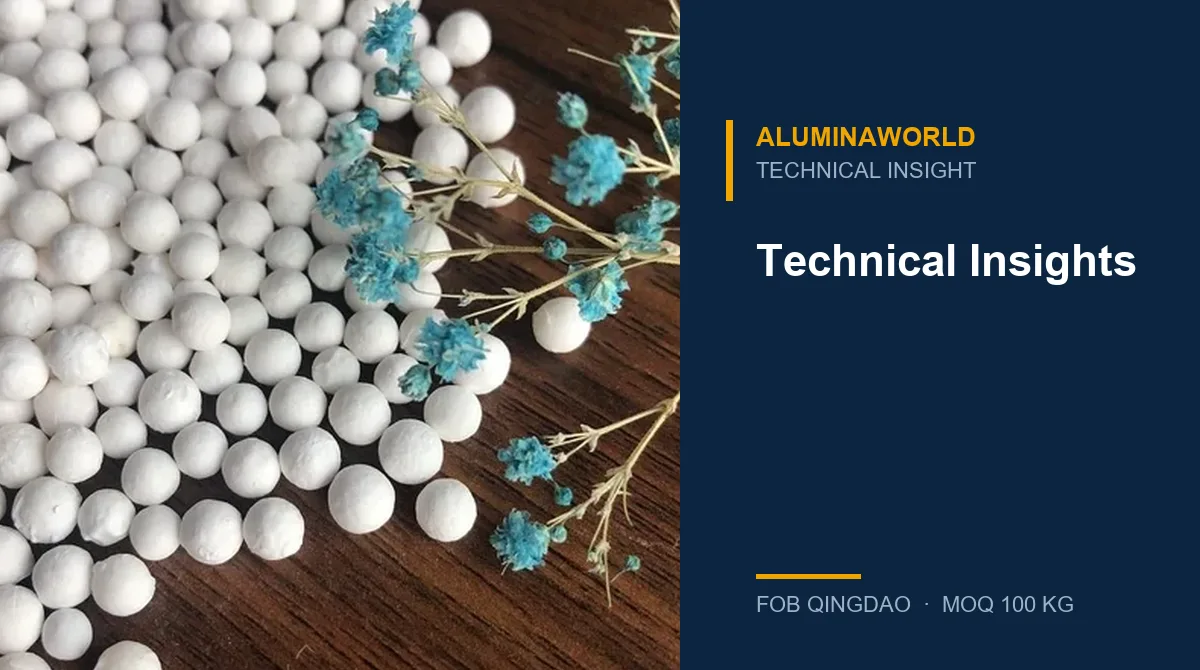
Alumina Ceramic Ball as Catalyst Inert Support Packing — Loading and Bed Design | AluminaWorld
High-alumina ceramic balls (Al2O3 70-99%) are used as inert support packing in fixed-bed catalytic reactors, supporting active catalyst pellets and…
Read Article →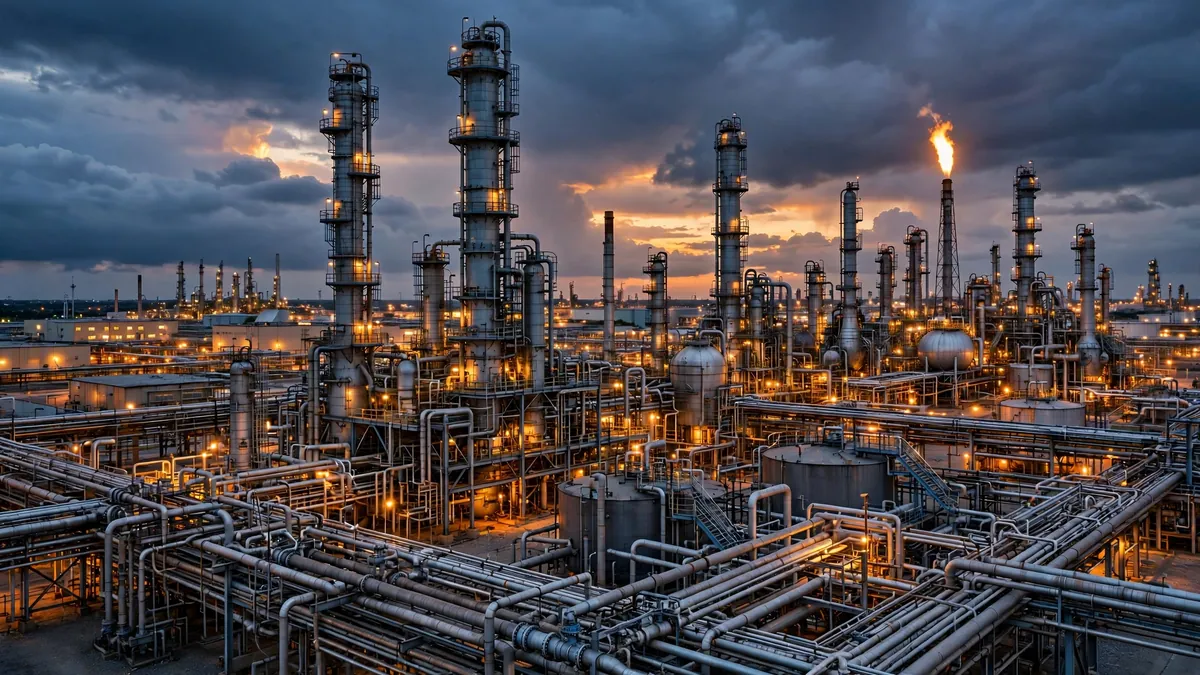
Catalyst Carrier Sulfur Tolerance: How γ-Al2O3 vs η-Al2O3 vs α-Al2O3 Perform in HDS Service
Engineering comparison of gamma-alumina, eta-alumina, and alpha-alumina catalyst carriers in hydrodesulfurization (HDS) service. Sulfur uptake, sulfiding…
Read Article →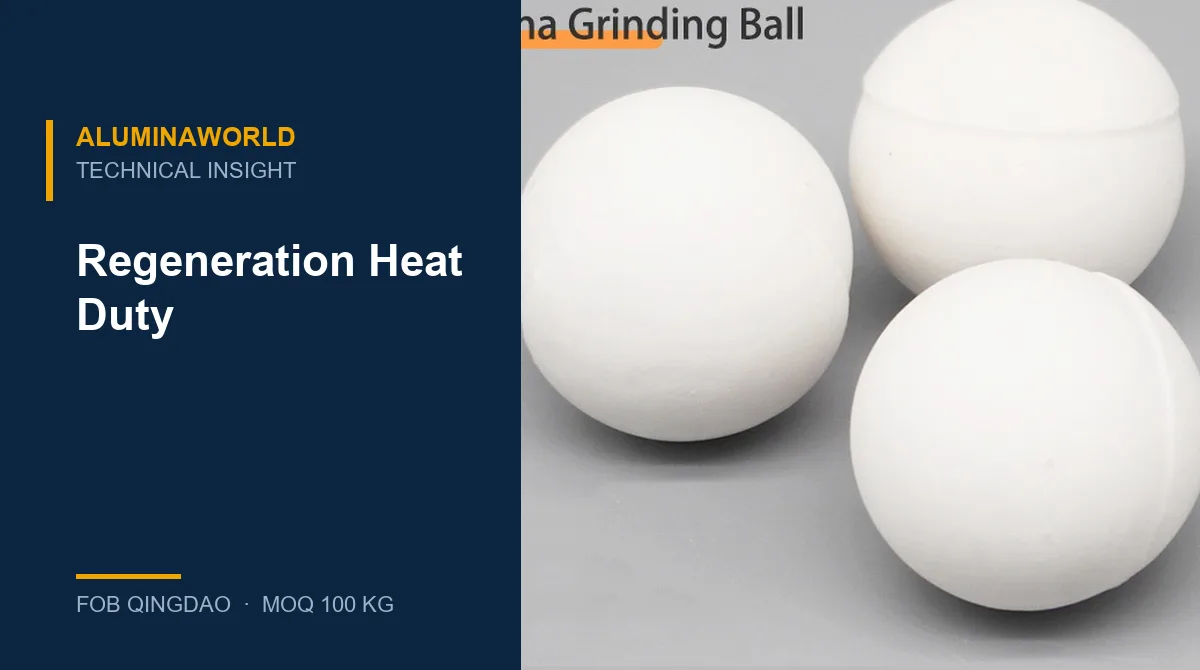
Activated Alumina Catalyst Carrier
Engineering guide to Activated Alumina Catalyst Carrier. Covers activated alumina chemistry, grade-by-grade numerical comparison, dosing and cycle…
Read Article →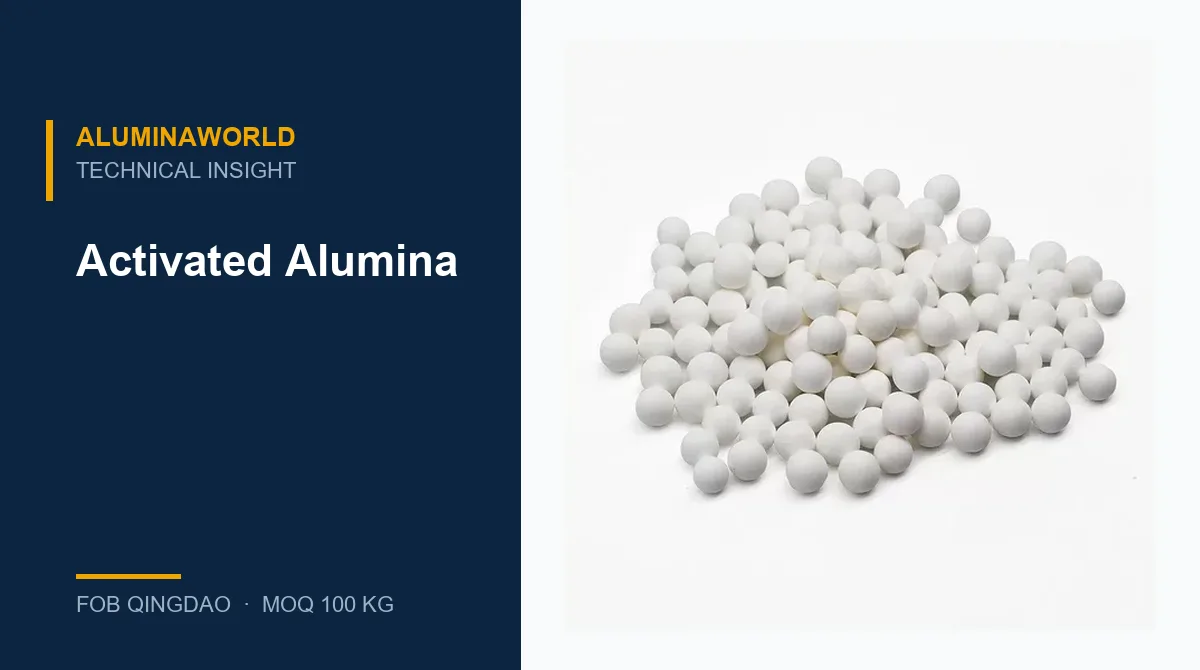
Activated Alumina Powder in Catalyst Manufacturing: How Surface Area, Pore Volume, and Phase Purity Control Catalyst Activity and Selectivity
Activated Alumina Powder in Catalyst Manufacturing: How Surface Area, Pore Volume, and Phase Purity Control Catalyst Activity and Selectivity — COA…
Read Article →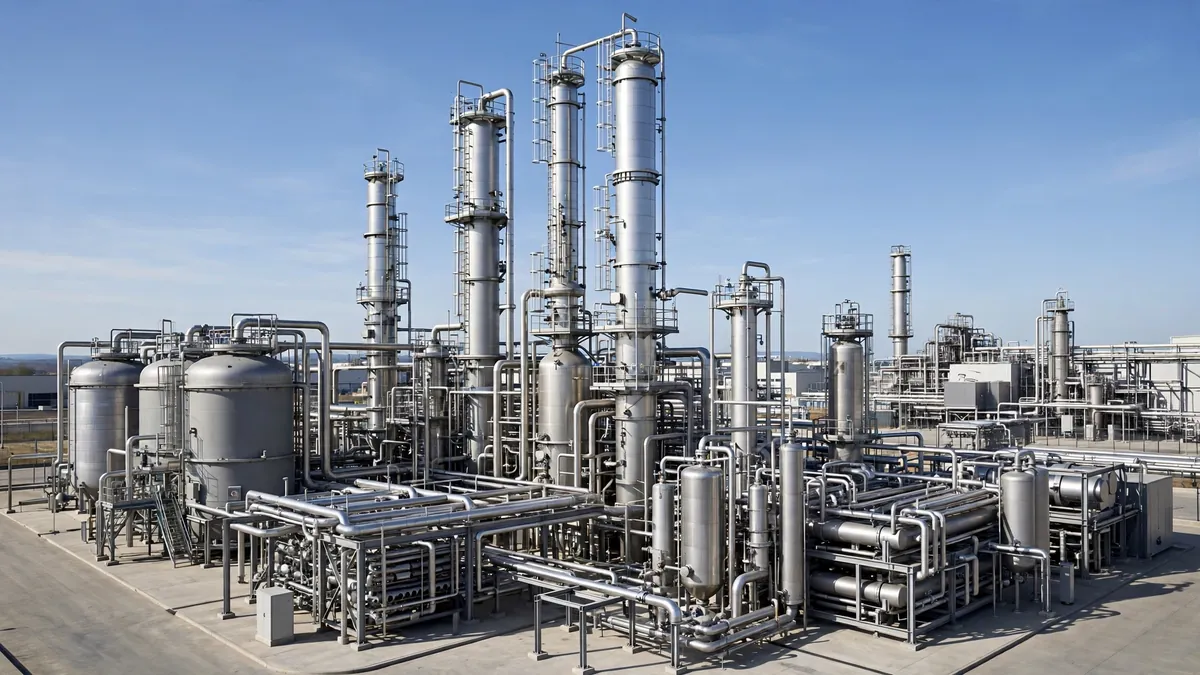
Activated Alumina in Ammonia Cracking for Hydrogen Carriers: Residual NH3 Slip Below 0.1 ppm - AluminaWorld
Activated Alumina in Ammonia Cracking for Hydrogen Carriers: Residual NH3 Slip Below 0.1 ppm - AluminaWorld — COA numbers, dosage across service…
Read Article →Catalyst Carrier Attrition Index (ASTM D4058) vs Abrasion Index: 3 Buyer QC Methods Compared
Catalyst Carrier Attrition Index (ASTM D4058) vs Abrasion Index: 3 Buyer QC Methods Compared — COA numbers, dosage across service conditions, regeneration…
Read Article →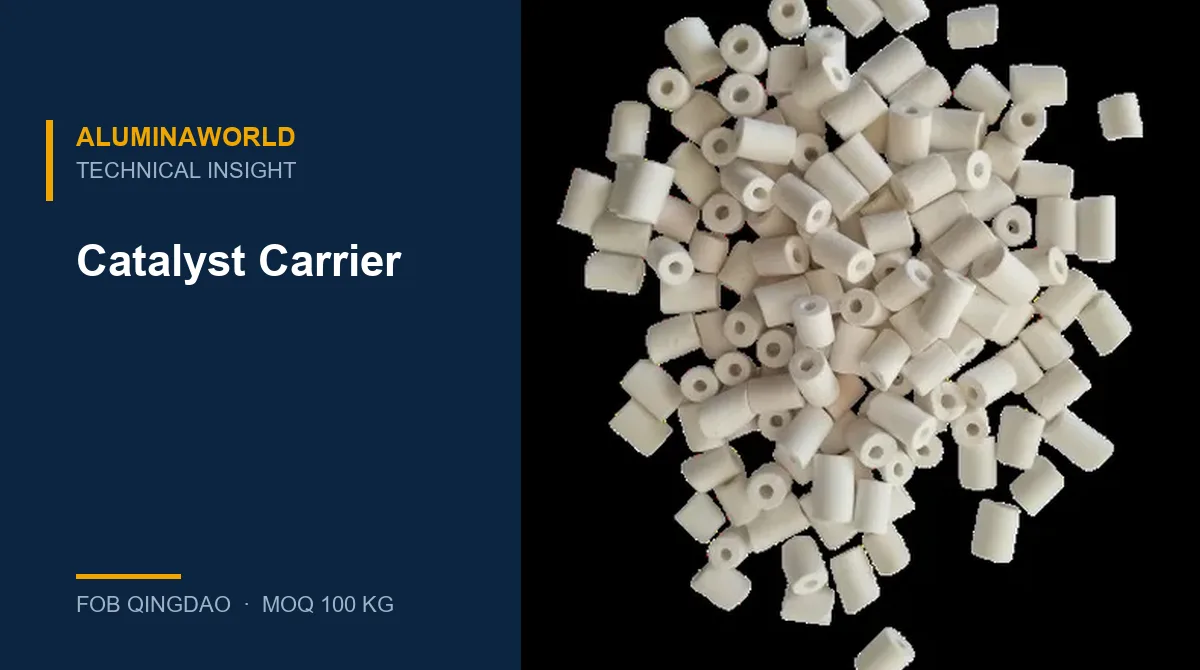
Catalyst Carrier Drying Method: Microwave vs Oven vs Spray — How to Avoid Cracking in Production
Catalyst Carrier Drying Method: Microwave vs Oven vs Spray — How to Avoid Cracking in Production — COA numbers, dosage across service conditions,…
Read Article →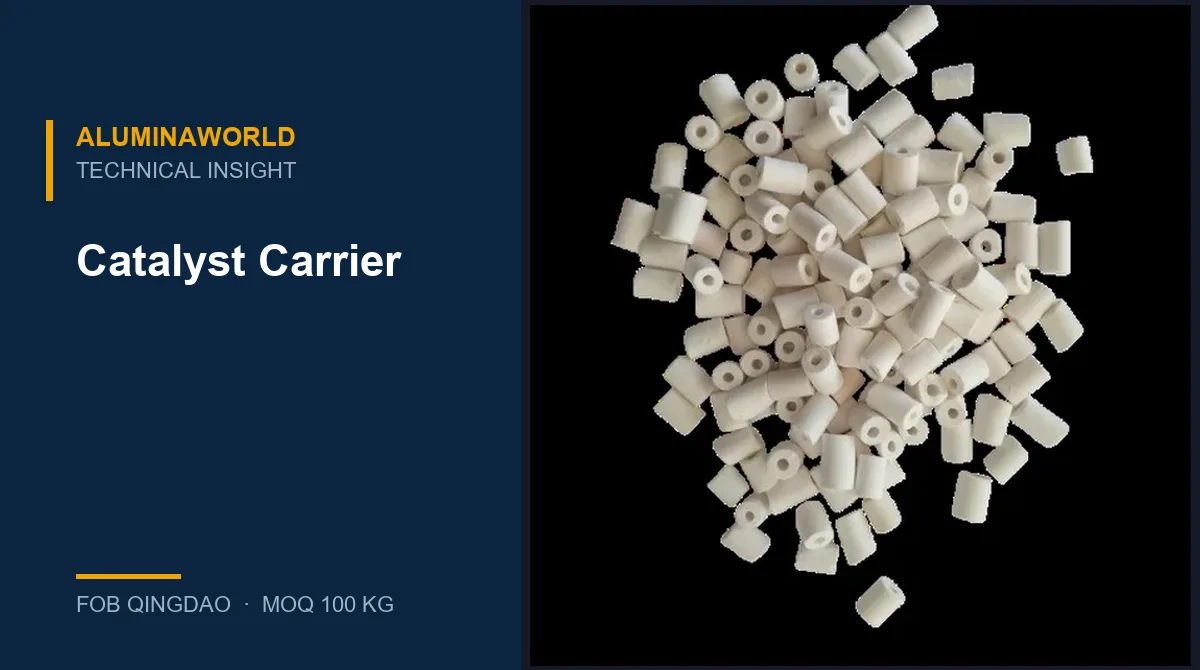
Catalyst Carrier Surface Area vs Pore Volume: Which Matters More for FCC, HDS, and Reforming Catalysts?
Catalyst Carrier Surface Area vs Pore Volume: Which Matters More for FCC, HDS, and Reforming Catalysts? — COA numbers, dosage across service conditions,…
Read Article →Catalyst Carrier Wash Coat Process: Dip-Coating vs Spray vs Incipient Wetness for γ-Al2O3 Spheres
Engineering guide to catalyst carrier wash coat process dip. Covers the underlying chemistry, grade-by-grade numerical comparison, dosing and cycle…
Read Article →E-Fuel (e-SAF/e-Diesel) Synthesis Loop: CO2 Capture from DAC-Fed Methanol Synthesis Catalyst Bed
E-Fuel (e-SAF/e-Diesel) Synthesis Loop: CO2 Capture from DAC-Fed Methanol Synthesis Catalyst Bed — COA numbers, dosage across service conditions,…
Read Article →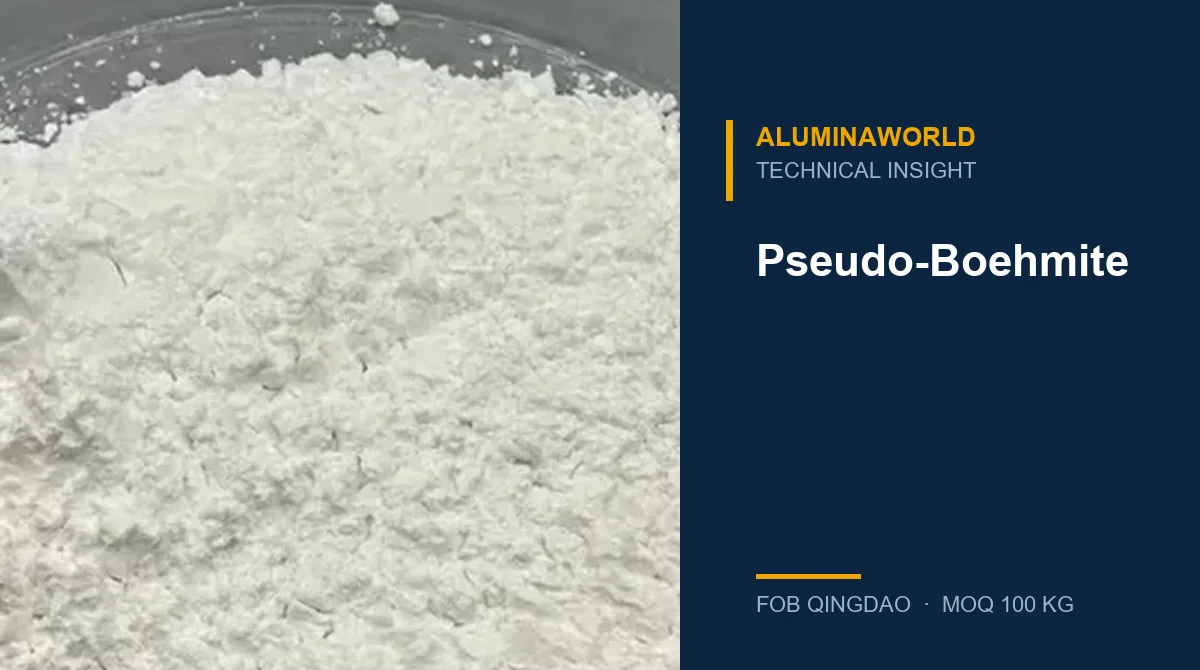
Pseudo Boehmite Alumina Content: 70% vs 75% vs 80% Selection Guide for Catalyst and Ceramic Engineers
Pseudo Boehmite Alumina Content: 70% vs 75% vs 80% Selection Guide for Catalyst and Ceramic Engineers — COA numbers, dosage across service conditions,…
Read Article →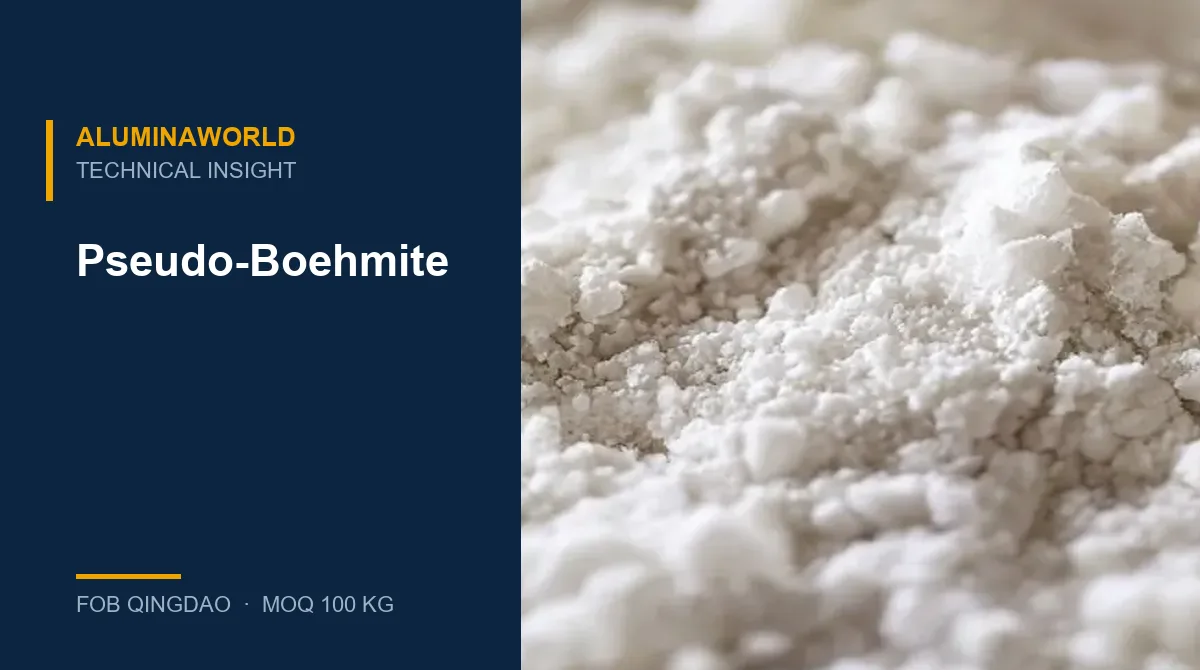
Pseudo Boehmite for FCC Catalyst: Gel vs Powder Property Differences
Pseudo Boehmite for FCC Catalyst: Gel vs Powder Property Differences — COA numbers, dosage across service conditions, regeneration economics, and a…
Read Article →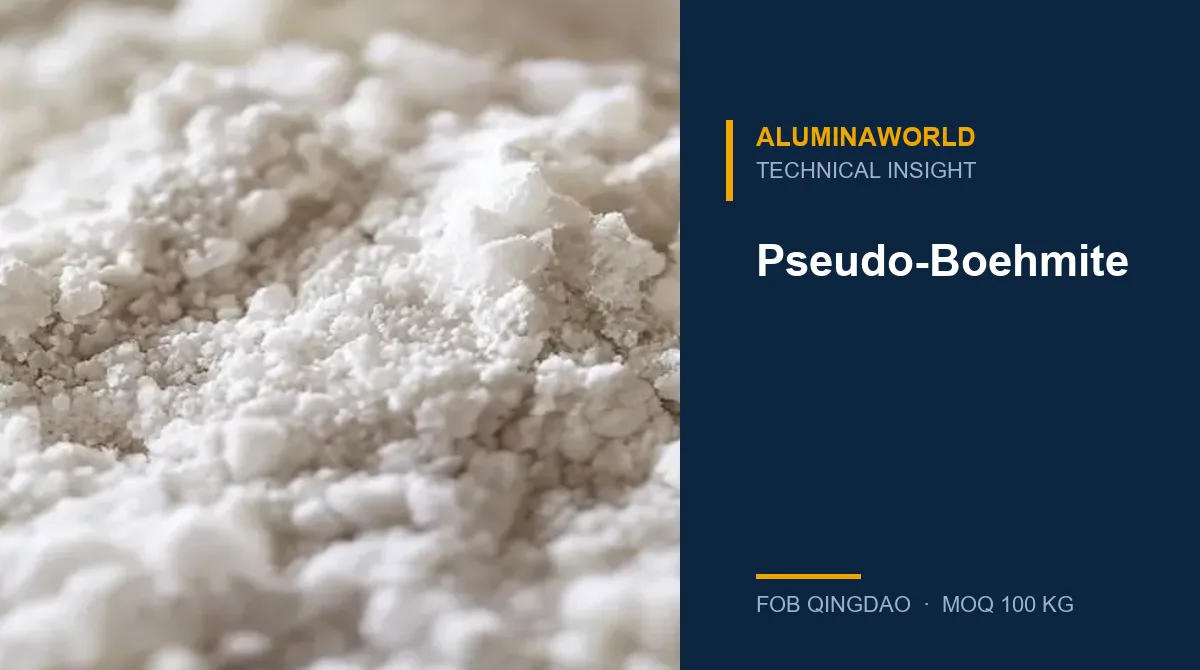
Pseudo Boehmite for Hydrodesulfurization: Pore Structure Design for CoMo and NiMo Catalysts
Pseudo Boehmite for Hydrodesulfurization: Pore Structure Design for CoMo and NiMo Catalysts — COA numbers, dosage across service conditions, regeneration…
Read Article →Spherical vs Extrudate Catalyst Carrier: Pressure Drop, Diffusion Length, and Mechanical Strength Trade-Off
Spherical vs Extrudate Catalyst Carrier: Pressure Drop, Diffusion Length, and Mechanical Strength Trade-Off — COA numbers, dosage across service…
Read Article →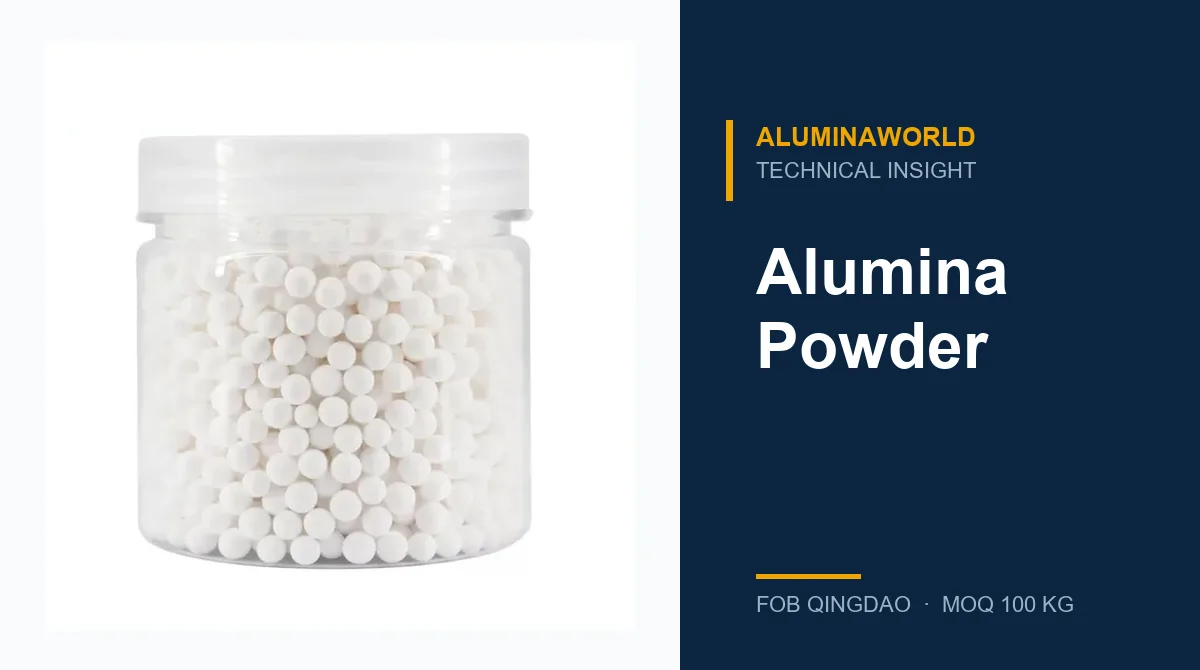
Tabular Alumina for Catalyst Bed Support: 6×6 Mesh vs 1/4" Spheres vs Saddle Random Packing — Pressure Drop, Mass Distribution, and ASTM D4058 Attrition Data
Tabular Alumina for Catalyst Bed Support: 6×6 Mesh vs 1/4" Spheres vs Saddle Random Packing — Pressure Drop, Mass Distribution, and ASTM D4058 Attrition…
Read Article →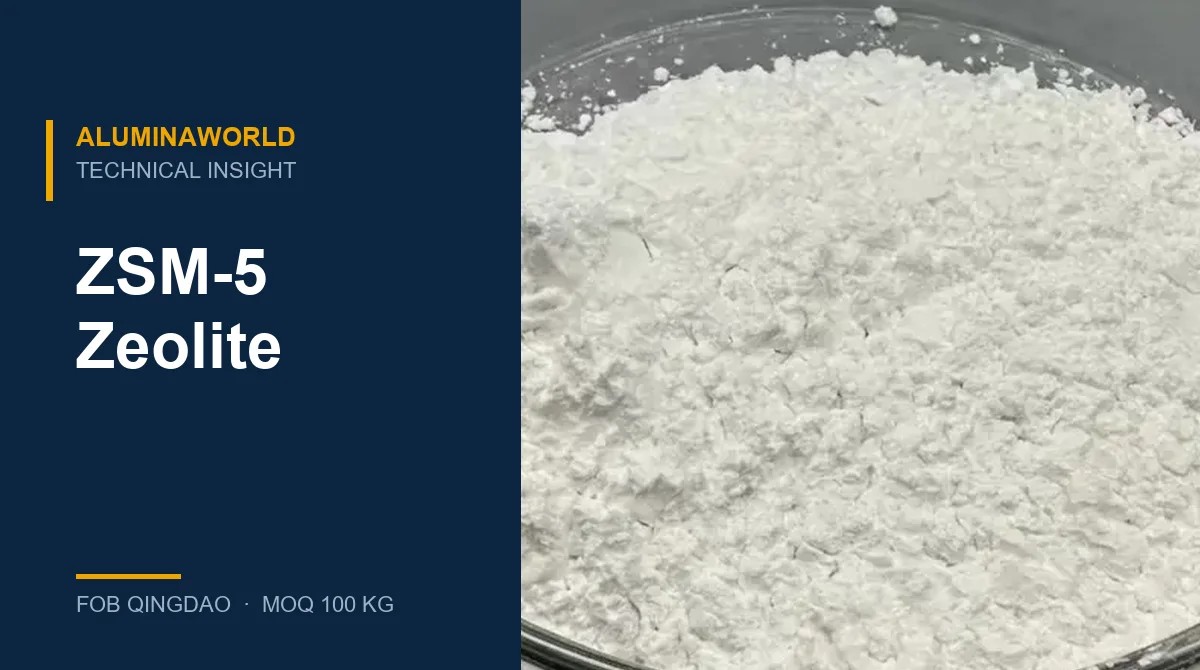
ZSM-5 Catalyst Regeneration: Coke Removal Temperature Optimization for MTO, FCC, and Xylene Isomerization
ZSM-5 Catalyst Regeneration: Coke Removal Temperature Optimization for MTO, FCC, and Xylene Isomerization — COA numbers, dosage across service conditions,…
Read Article →