Notes on media & materials.
Short, practical articles — each one answers a question our customers actually ask. If your question isn't here, email us; it may become the next article.
FOB vs CIF vs DDP for Industrial Adsorbents: Incoterms 2020 Risk Allocation for Chemical Cargo
Aluminaworld is a Zibo, Shandong-based Chinese manufacturer (ISO 9001 certified) producing molecular sieves (3A, 4A, 5A, 13X), activated alumina ,
Read Article →
ATH for Polyurethane (PU) Foam: 30% vs 50% Loading — Cone Calorimeter HRR Data
Engineering guide to aluminium hydroxide (ATH) loading in flexible and rigid polyurethane foam. Cone calorimeter (ISO 5660-1) peak HRR and THR data at 30%…
Read Article →
Calcined Alumina for Sapphire Crystal Growth (LED / Watch Industry): Na Impurity Limit <10 ppm Requirements
Engineering guide to calcined alumina for sapphire crystal growth in LED and watch-industry applications: Na, K, Fe, Si, Ca impurity limits, alpha-Al2O3…
Read Article →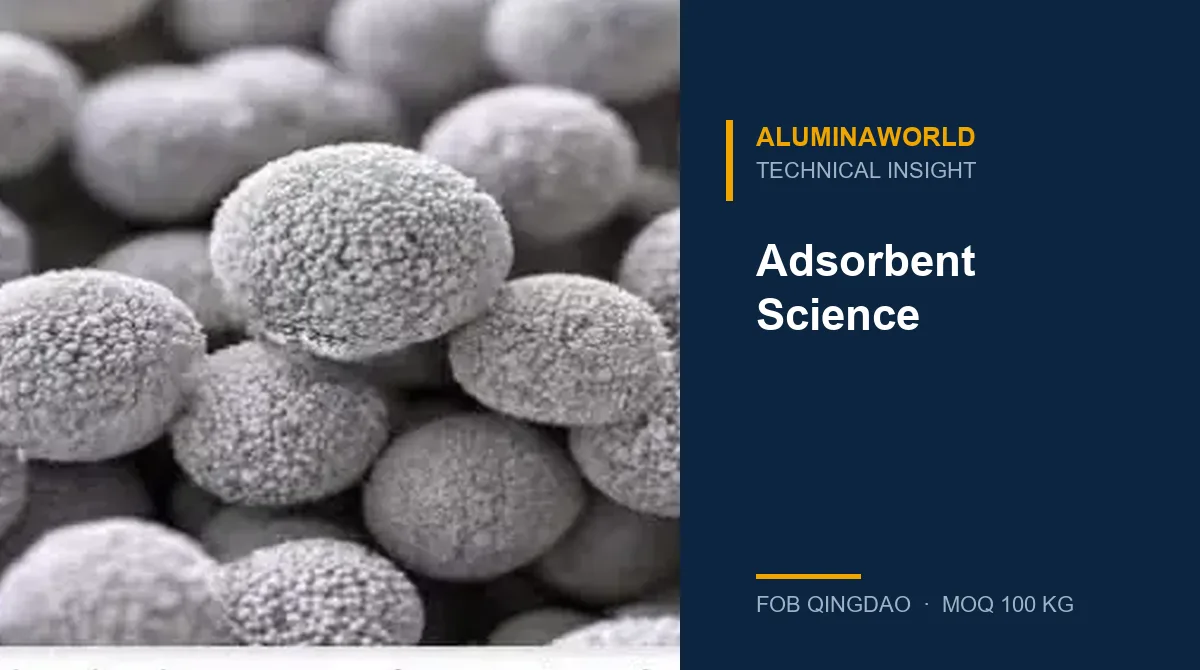
Zeolite Adsorbent Water Management in SOEC/SOFC Balance-of-Plant: Steam Purity and Silica Volatility - AluminaWorld
How 3A, 4A, and 13X zeolite adsorbent beds dry recirculated process steam for solid oxide electrolyzer (SOEC) and solid oxide fuel cell (SOFC) stacks:…
Read Article →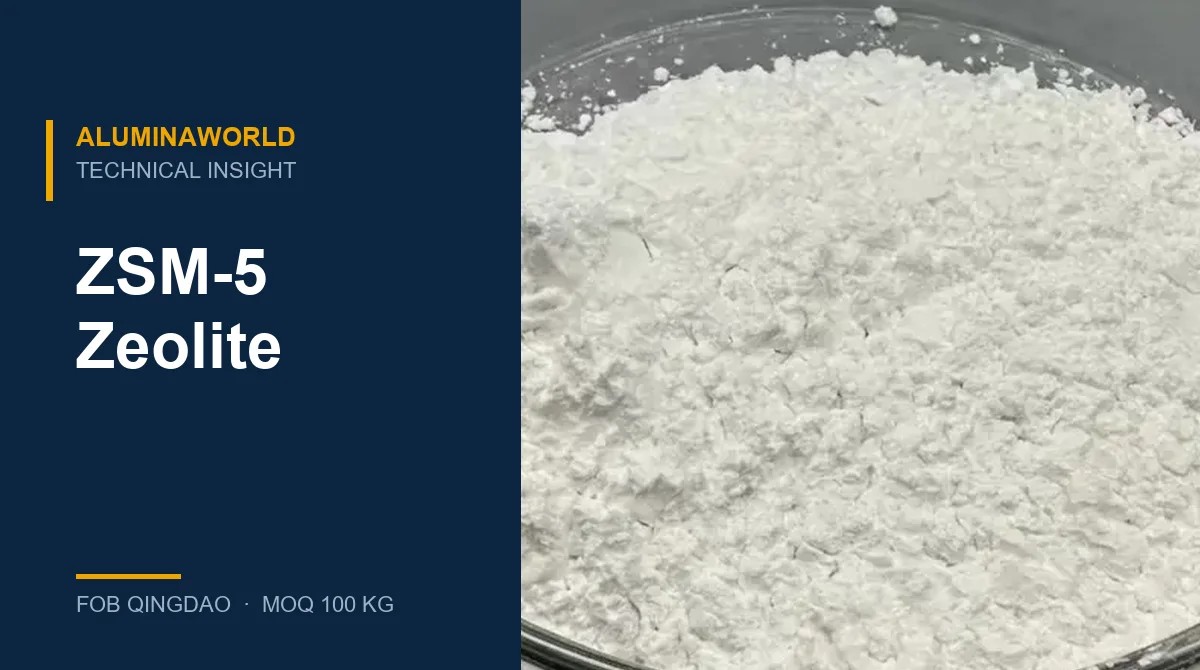
ZSM-5 Zeolite for Xylene Isomerization and Selective Toluene Disproportionation (STDP) | AluminaWorld
ZSM-5 zeolite is the catalyst of choice for xylene isomerization (XIS) and selective toluene disproportionation (STDP) to produce para-xylene.…
Read Article →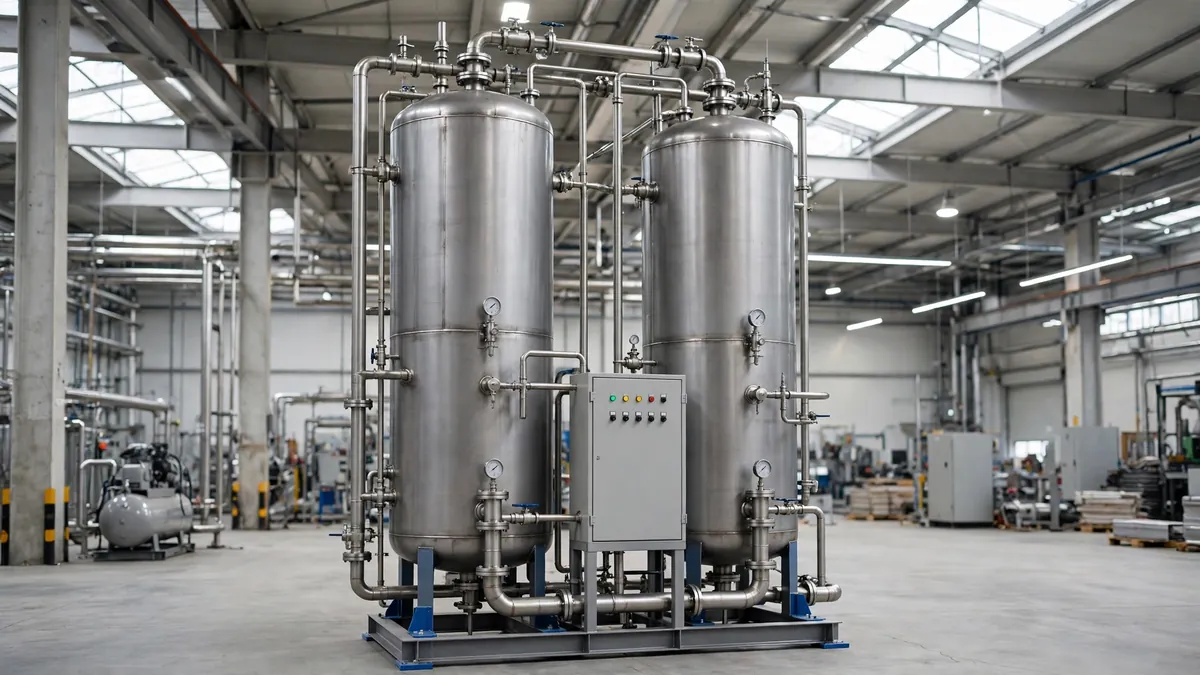
Why Your Regeneration Cycle Keeps Getting Longer: 7 Root Causes Ranked by Frequency - AluminaWorld
Regeneration cycle creep almost always has one of seven causes. The seven are listed below in descending order of field frequency. Two of them
Read Article →
UN Packaging, IMDG and Dangerous Goods Classification for Adsorbents and Alumina Powders: What Exporters Get Wrong on the First Container | AluminaWorld
Practical engineering guide to UN GHS, IMDG Code 41-22 and IATA DGR 65th classification for activated alumina, molecular sieve, ATH and pseudo-boehmite…
Read Article →
Tabular Alumina T-60 vs T-64 vs White Fused Alumina for Ladle Lining Castables: Particle Packing, Water Demand, and 1450°C Bulk Density — Procurement Guide
Procurement-grade comparison of tabular alumina T-60, T-64, and WFA grain for low-cement and ultra-low-cement castable ladle linings in iron and steel…
Read Article →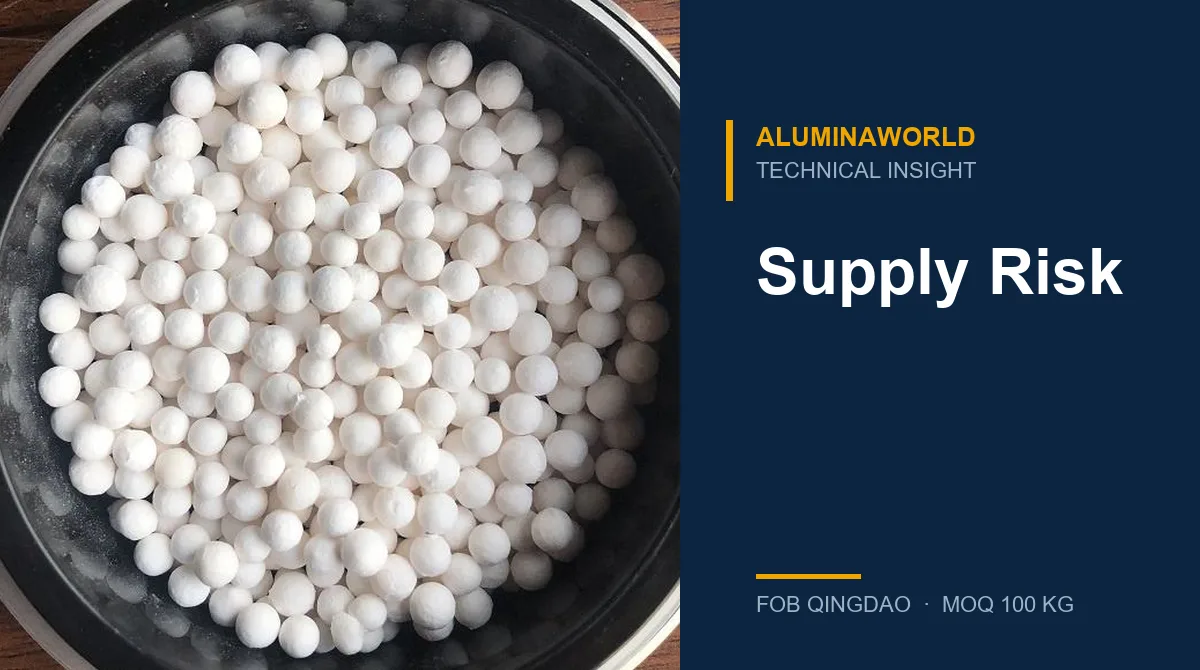
Sole-Source vs Dual-Source Adsorbent Supply: Qualification Cost, Stock-Out Risk and Hidden Switching Cost Modelling | AluminaWorld
Procurement-engineer guide to choosing between sole-source and dual-source adsorbent supply. How to model qualification cost per kg, stock-out risk in…
Read Article →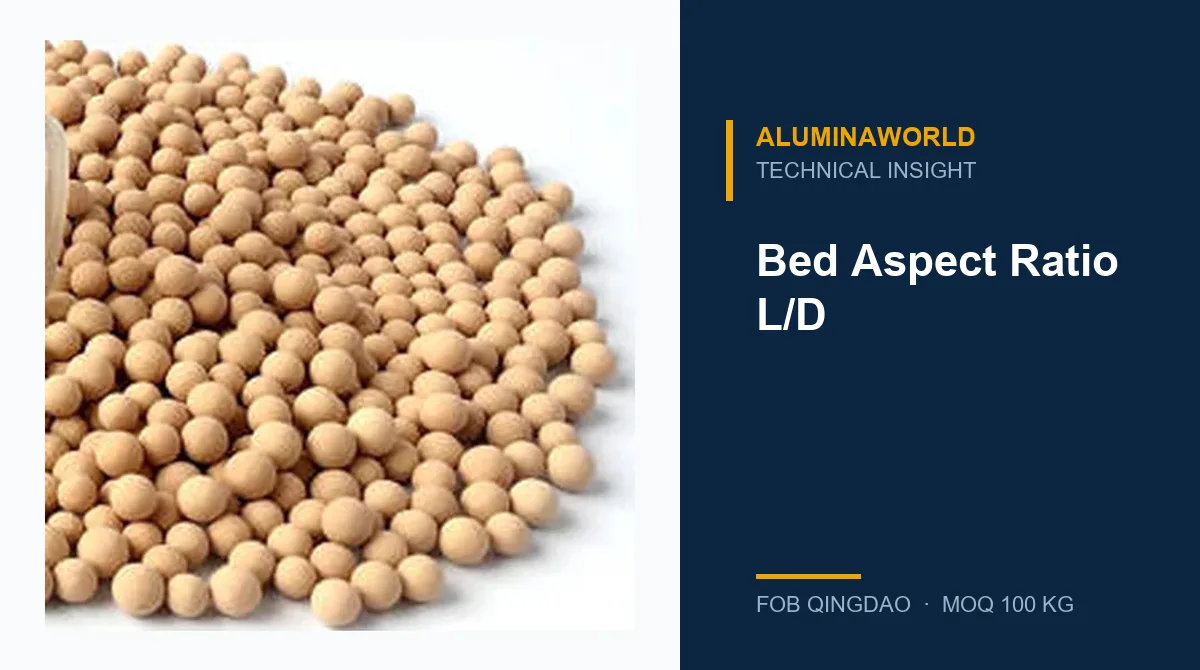
Sizing a Heatless (PSA) vs Heated Purge Air Dryer: Purge Loss Percentage and Energy Trade-Off | AluminaWorld
Why adsorber vessels are designed with a bed length-to-diameter ratio between 3:1 and 5:1, what breaks outside that window — channelling, high pressure…
Read Article →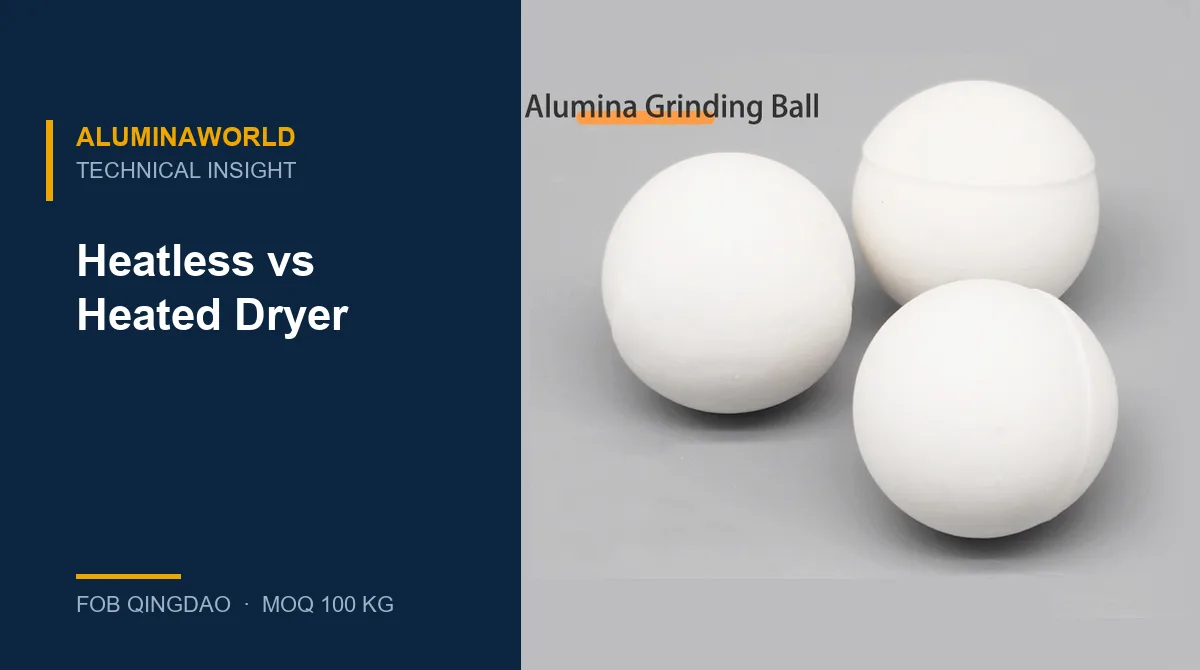
Sizing a Heatless (PSA) vs Heated Purge Air Dryer: Purge Loss Percentage and Energy Trade-Off | AluminaWorld
Engineering guide to heatless (PSA) vs heated-purge blower-purge air dryer sizing. ISO 7183 + ISO 8573-1 purge-loss formulas, desiccant volume sizing for…
Read Article →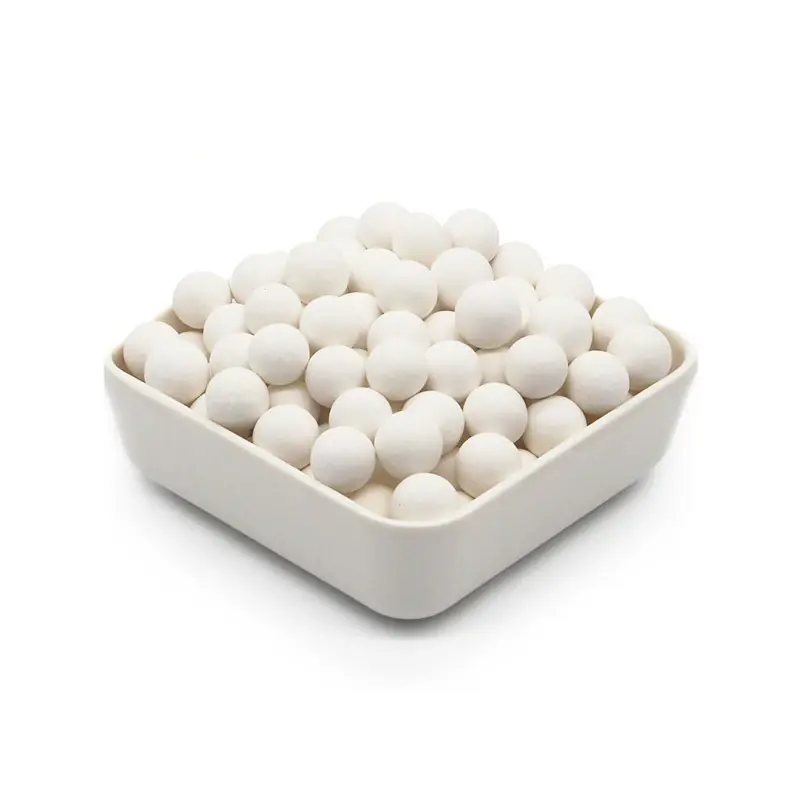
SiC Epitaxial Reactor HCl Scrubber: Why Activated Alumina and Not Molecular Sieve for Low-Concentration Acid Gas
SiC epitaxial reactor HCl scrubber guide: why activated alumina chemisorption beats molecular sieve physisorption for low-concentration acid gas, with bed…
Read Article →
Retrofitting an Existing Dryer to a New Adsorbent: 9 Checks Before You Change the Desiccant Media
Engineering retrofit checklist for changing adsorbent media in an existing PSA or TSA dryer. Covers compatibility checks (vessel, valves, piping),…
Read Article →
Reading a Failed Crush-Strength Report: ASTM D4179 Outliers vs Genuine Batch Rejection - AluminaWorld
Diagnostic framework for a failed ASTM D4179 single-bead crush-strength report on molecular sieve, activated alumina, and catalyst carrier CoAs: the 5…
Read Article →
Reactive Alumina in Low-Soda Refractory Castables: Sintering Activity, Sodium-Defect Control, and Burned-Magnesia Bonding Chemistry
Reactive alumina in low-soda refractory castables — sintering activity, sodium-defect control, MgO spinel bonding, dosing, and procurement specs.…
Read Article →Reactive Alumina for Epoxy Potting: 5N vs 3N Thermal Conductivity (W/mK) and CTE Data
8500-word engineering guide: 5N vs 3N vs 4N reactive alumina in epoxy potting, k-model equations, viscosity, CTE, dielectric, 5 case studies (IGBT, EV…
Read Article →
REACH and TSCA Status of Activated Alumina, ATH and Zeolites: What EU and US Buyers Must Verify Before Import | AluminaWorld
Procurement-engineer guide to REACH (EU) and TSCA (US) regulatory status of activated alumina, aluminum hydroxide and synthetic zeolites. How to verify a…
Read Article →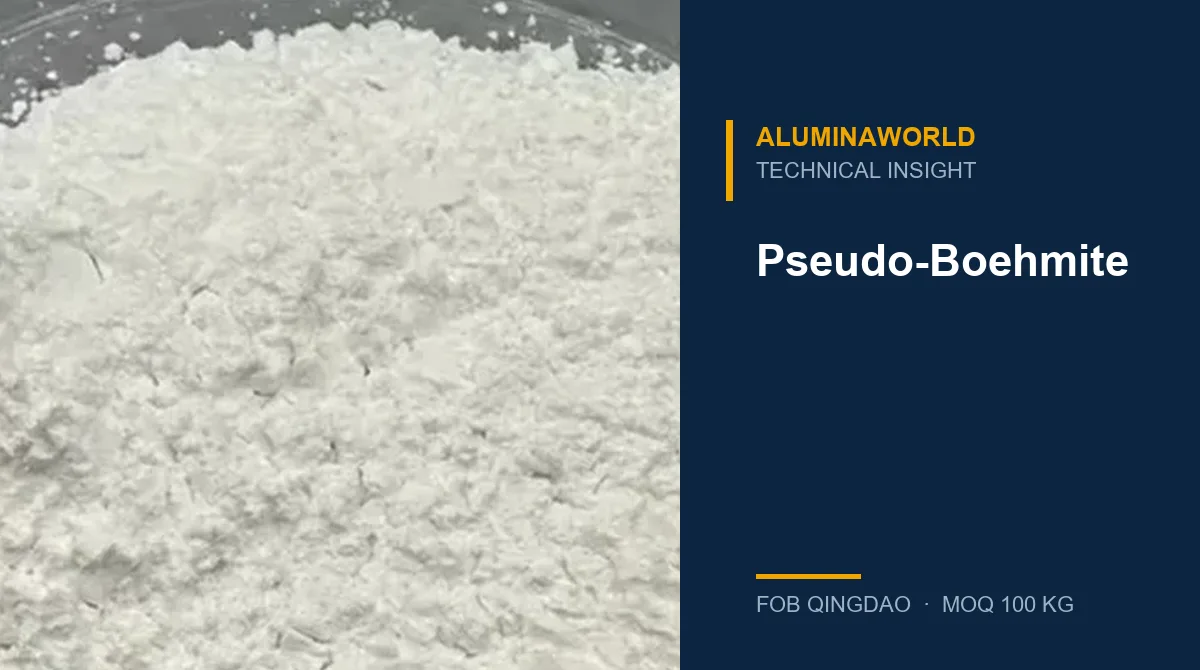
Pseudo-Boehmite for Sulfated vs Non-Sulfated FCC Catalyst: Why Sulfated PB is Replacing Acid-Peptized PB in Resid FCC
Sulfated pseudo-boehmite (SO4 1-3 wt%) improves thermal stability and metal tolerance in resid FCC catalysts. Compare with acid-peptized PB on DTA, MAT,…
Read Article →
Pseudo Boehmite for Toothpaste Abrasive — RDA Value and Formulation | AluminaWorld
Pseudo boehmite (AlOOH) is used as a low-abrasion polishing agent in premium toothpaste, replacing hydrated silica with controlled RDA (Relative Dentin…
Read Article →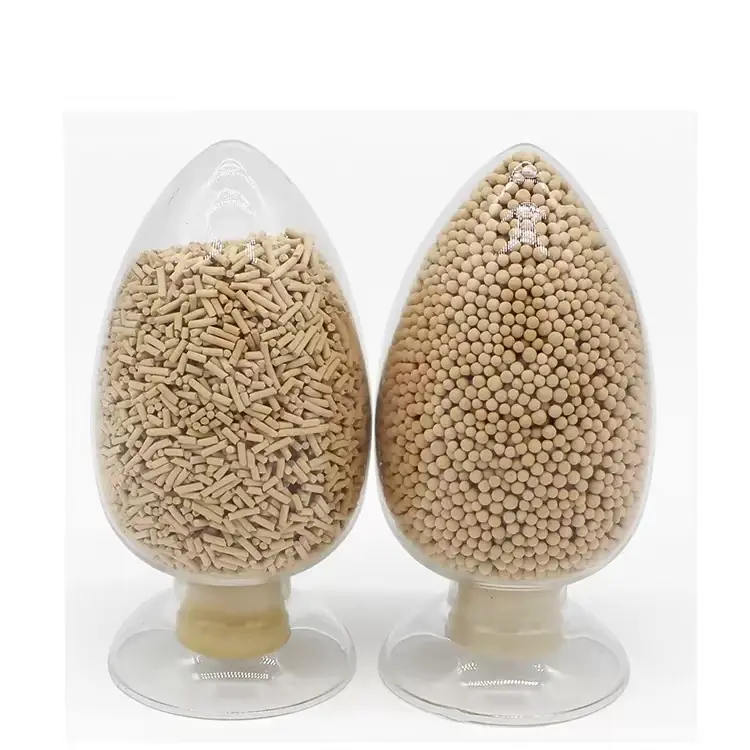
Pre-Shipment Inspection (PSI) Scope for Molecular Sieve: ASTM E105 Sampling Plan and ISO 2859-1 Pass/Fail Rules
Pre-shipment inspection guide for industrial adsorbent importers: how to write a PSI scope for molecular sieve and activated alumina shipments,…
Read Article →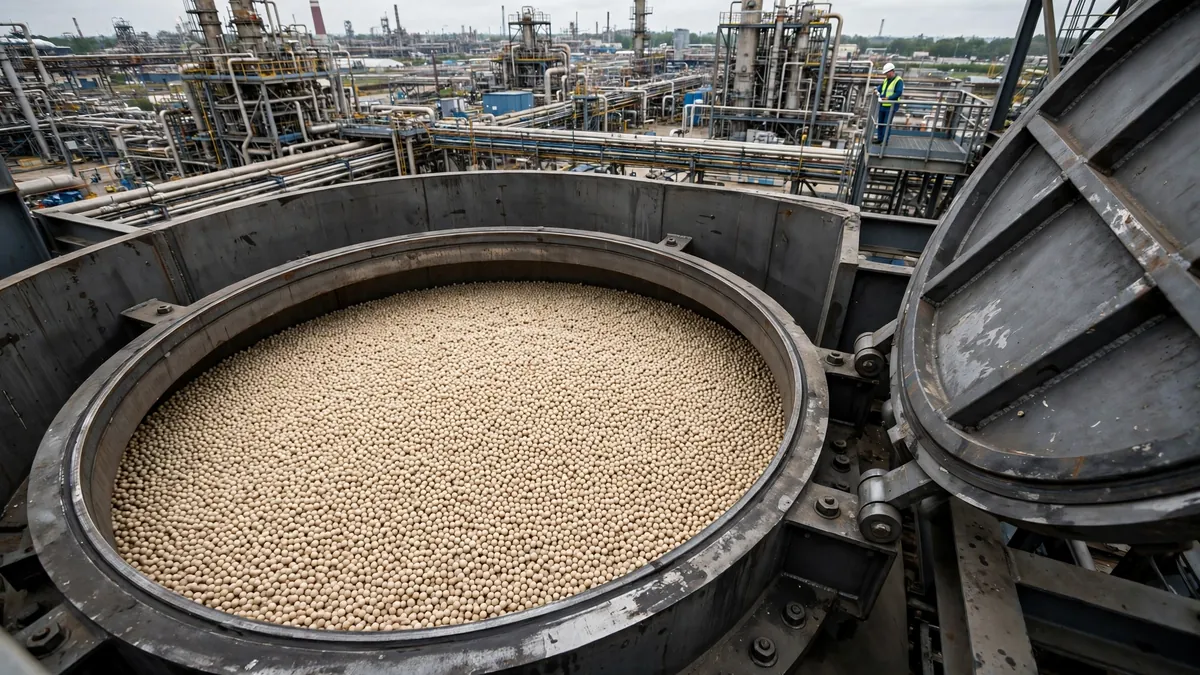
Post-Shutdown Bed Rewetting: Liquid Carryover Damage and the 48-Hour Recovery Procedure - AluminaWorld
Engineering protocol for restarting a water-flooded desiccant or molecular sieve bed after unplanned shutdown: distinguishing free water from chemisorbed…
Read Article →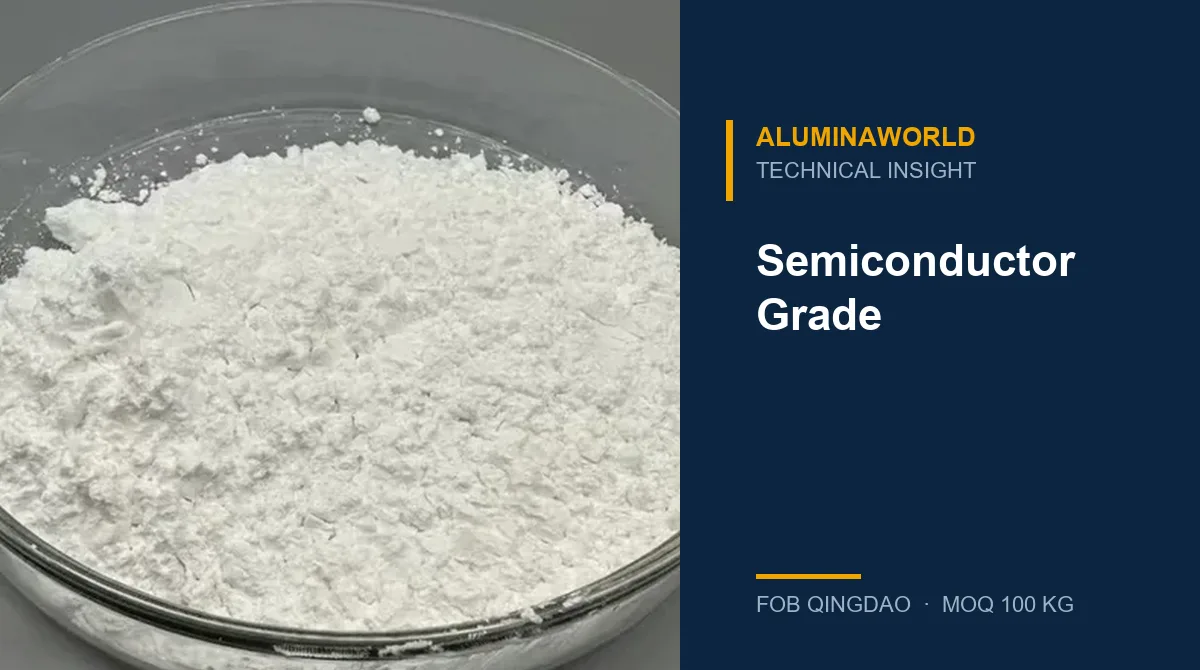
Photovoltaic Polysilicon Production: TCSS Trichlorosilane Dryer with 3A Sieve and Iron Carryover Pitfalls
Engineering guide to TCSS trichlorosilane drying in polysilicon plants: why 3A molecular sieve (K-LTA, 3 A pore) is the correct adsorbent over 4A, 5A, 13X…
Read Article →
PSA Hydrogen Cycle Timing: Adsorption-to-Equalization Pressure Ratio Optimization for 99.99% Purity
Engineering guide to PSA hydrogen cycle timing: adsorption/equalization pressure ratio setpoint, equalization duration, and recovery yield trade-offs for…
Read Article →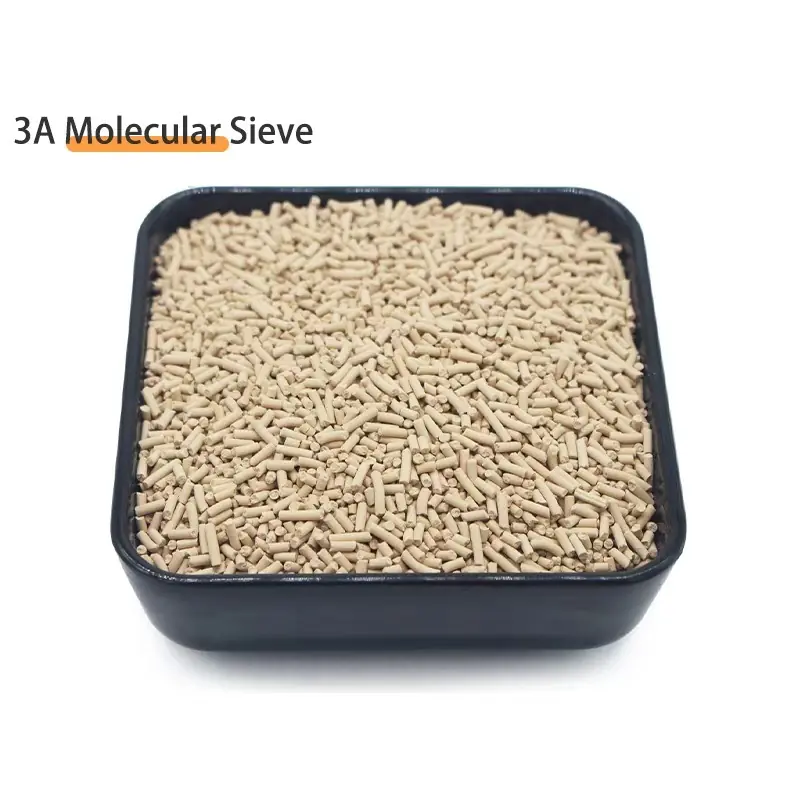
Multi-Bed Skid Vibration and Pulsation Analysis: API 617 Compliance for PSA Compressor Suction
Buyer-engineer field guide to piping pulsation and skid vibration analysis for PSA installations: API 617/618 acoustic studies,…
Read Article →