Notes on media & materials.
Short, practical articles — each one answers a question our customers actually ask. If your question isn't here, email us; it may become the next article.
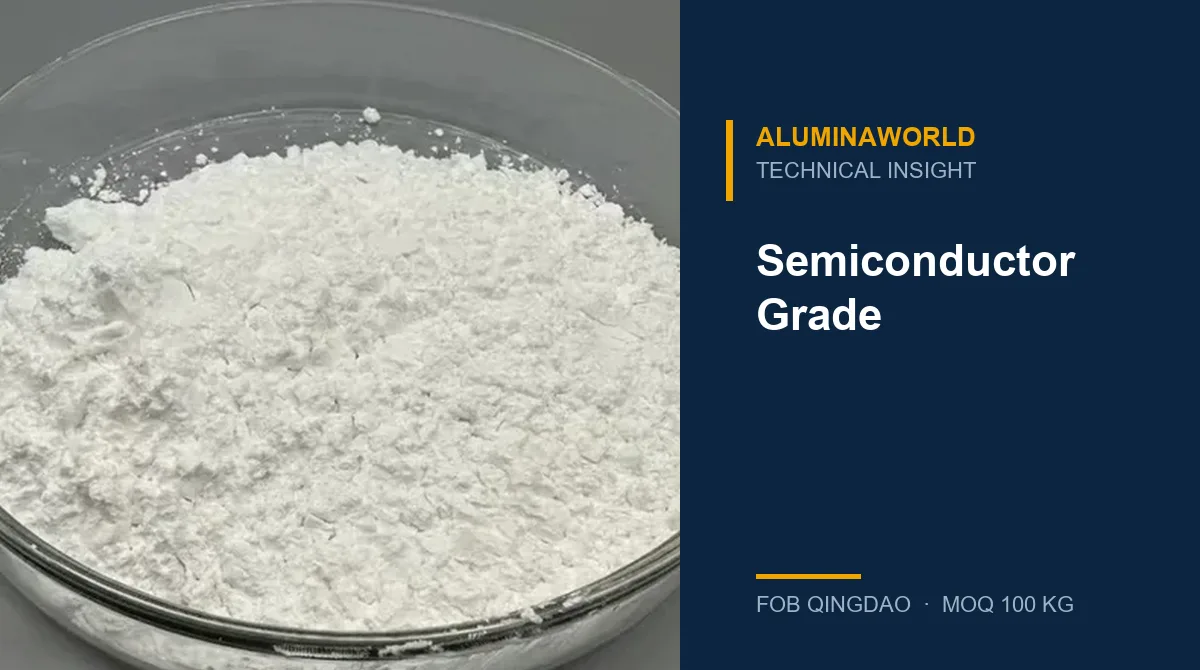
Molecular Sieve Purification of Electronic-Grade Specialty Gases: NF3, SiH4 and Moisture Below 100 ppb - AluminaWorld
Molecular Sieve Purification of Electronic-Grade Specialty Gases: NF3, SiH4 and Moisture Below 100 ppb - AluminaWorld — COA numbers, dosage across service…
Read Article →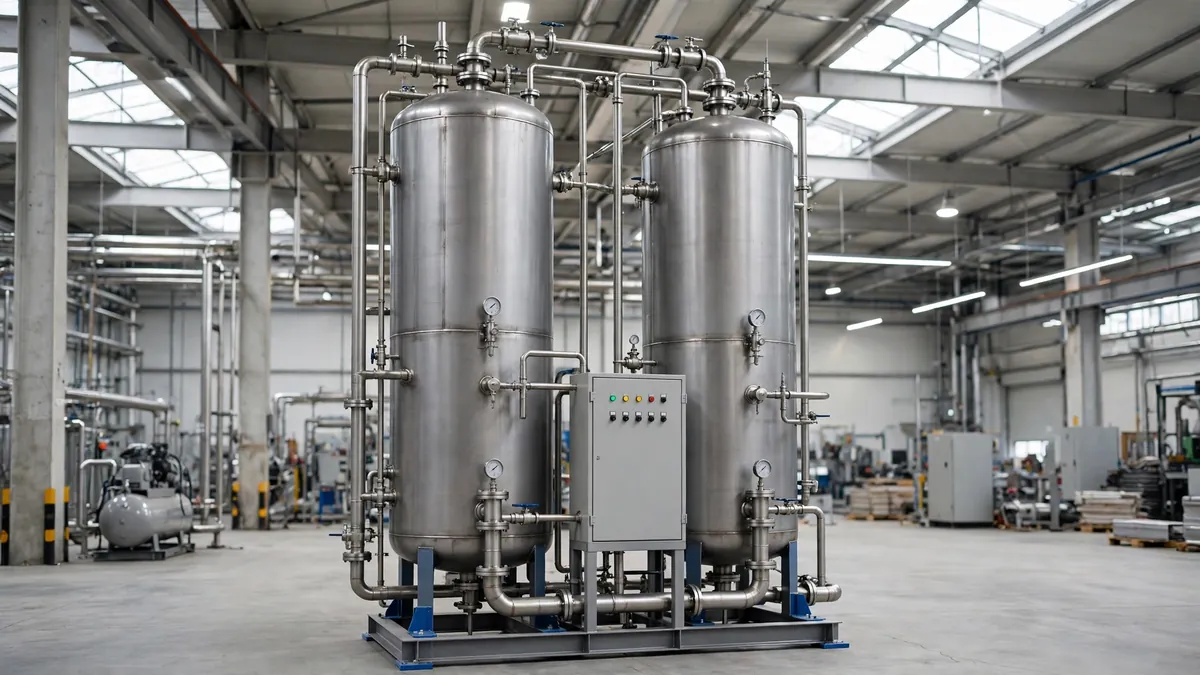
Molecular Sieve Regeneration Best Practices: Extend Sieve Life from 3 to 7 Years
Molecular Sieve Regeneration Best Practices: Extend Sieve Life from 3 to 7 Years — COA numbers, dosage across service conditions, regeneration economics,…
Read Article →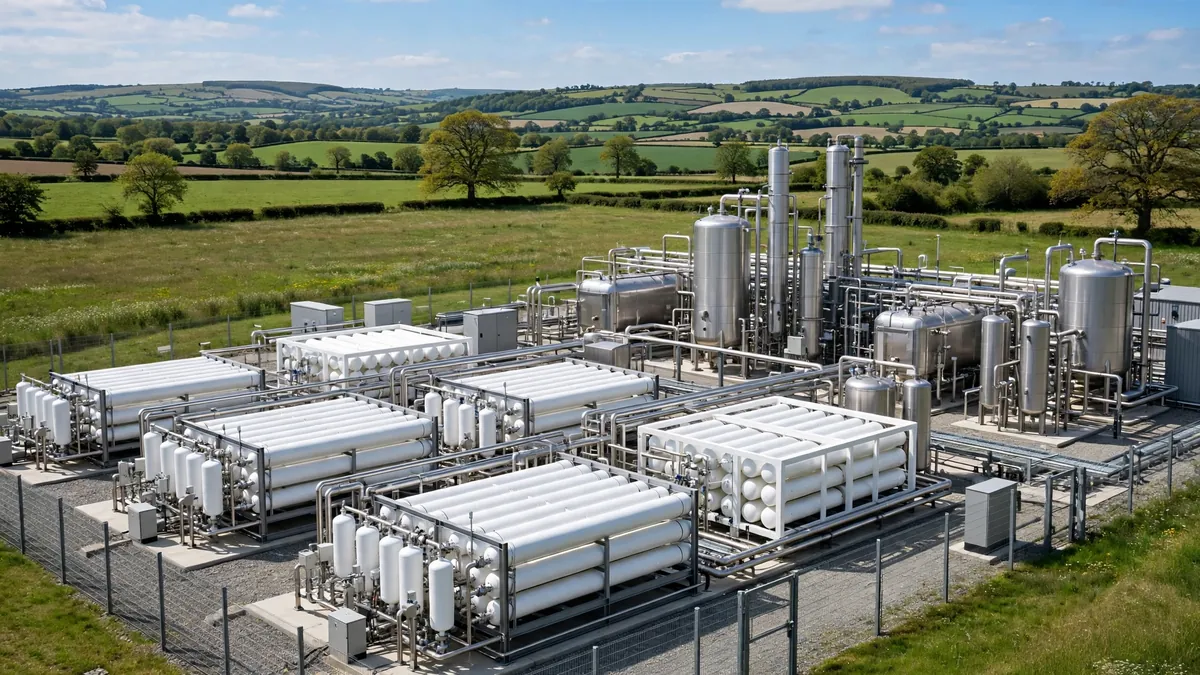
Molecular Sieve for Biogas Upgrading: 13X vs Activated Carbon for CO2 Removal
Molecular Sieve for Biogas Upgrading: 13X vs Activated Carbon for CO2 Removal — COA numbers, dosage across service conditions, regeneration economics, and…
Read Article →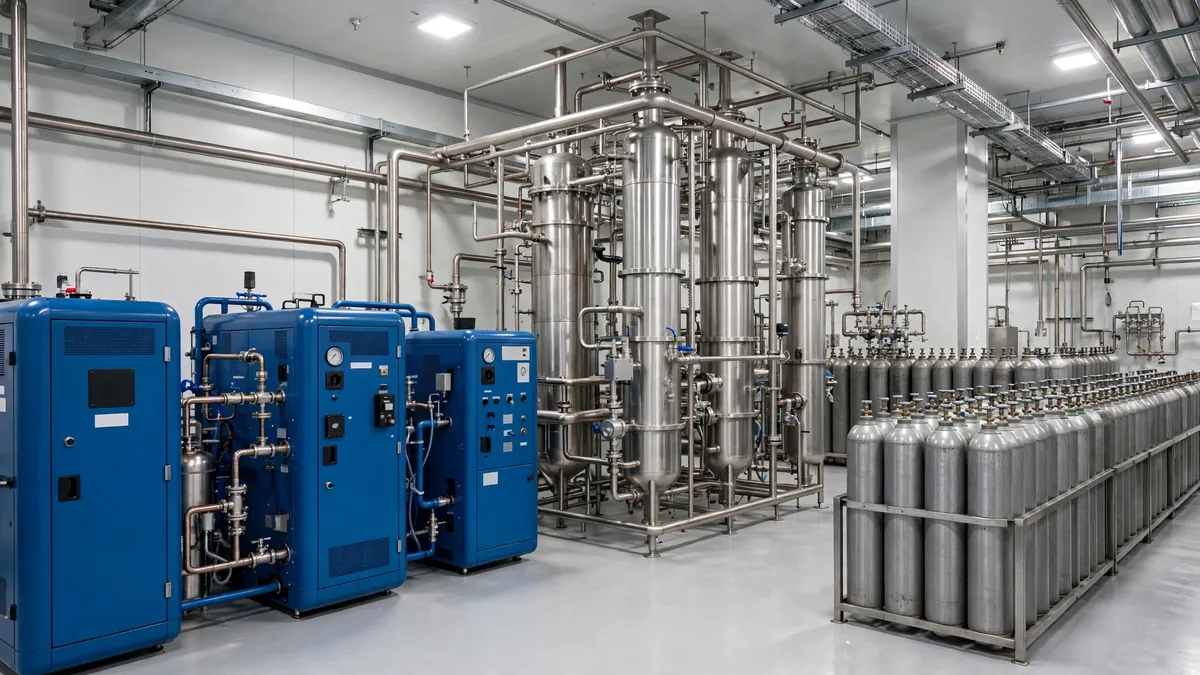
Molecular Sieve for O2 Concentrator: LiLSX vs 5A vs 13X Performance Comparison
Molecular Sieve for O2 Concentrator: LiLSX vs 5A vs 13X Performance Comparison — COA numbers, dosage across service conditions, regeneration economics,…
Read Article →
Molecular Sieve for Refrigerant Drying (R134a, R410A, R32): Acid Number Control and Compressor Protection
Engineering guide to molecular sieve for refrigerant drying r134a. Covers the underlying chemistry, grade-by-grade numerical comparison, dosing and cycle…
Read Article →
Molecular Sieve for Syngas Purification: CO2, CO, and H2S Removal in SMR and Partial Oxidation Hydrogen Plants
Molecular Sieve for Syngas Purification: CO2, CO, and H2S Removal in SMR and Partial Oxidation Hydrogen Plants — COA numbers, dosage across service…
Read Article →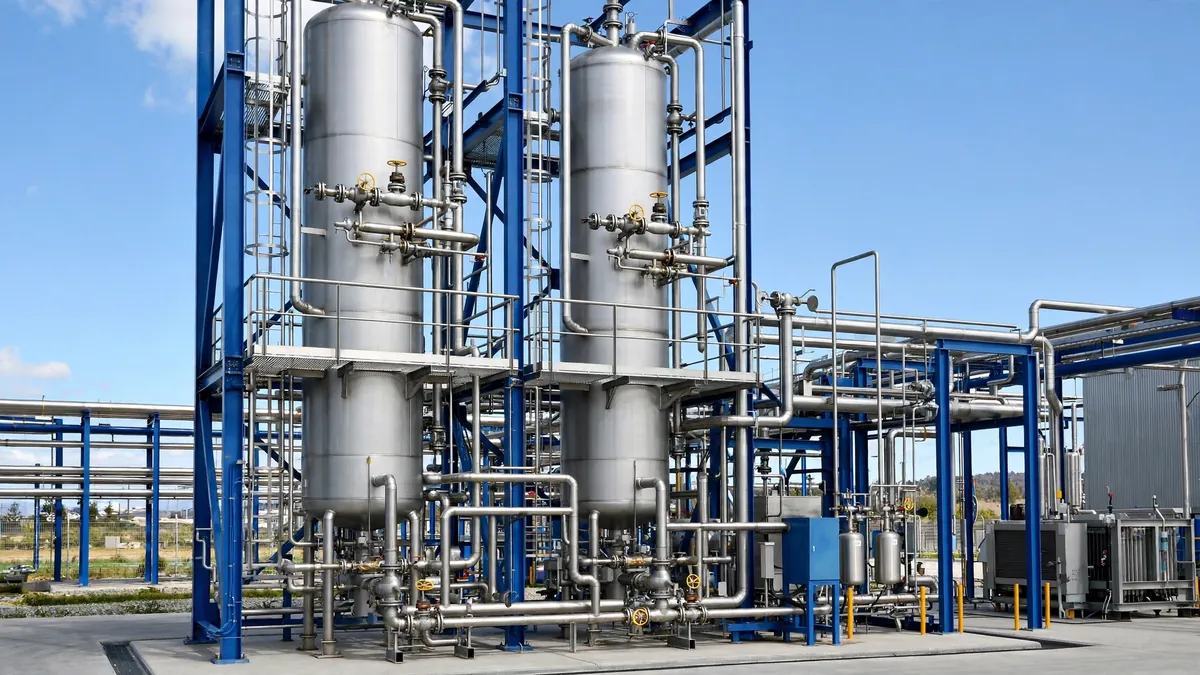
PSA Oxygen Sizing, Bed Depth, and 10-Year TCO: LiLSX vs 5A vs 13X for Industrial and Medical Plants
PSA Oxygen Sizing, Bed Depth, and 10-Year TCO: LiLSX vs 5A vs 13X for Industrial and Medical Plants — COA numbers, dosage across service conditions,…
Read Article →
Polyol Dehydration with 3A Molecular Sieve: Viscosity, NCO Consumption, and 5-Year TCO for Polyurethane Foam Producers
Engineering guide to 3a molecular sieve polyol dehydration. Covers the underlying chemistry, grade-by-grade numerical comparison, dosing and cycle…
Read Article →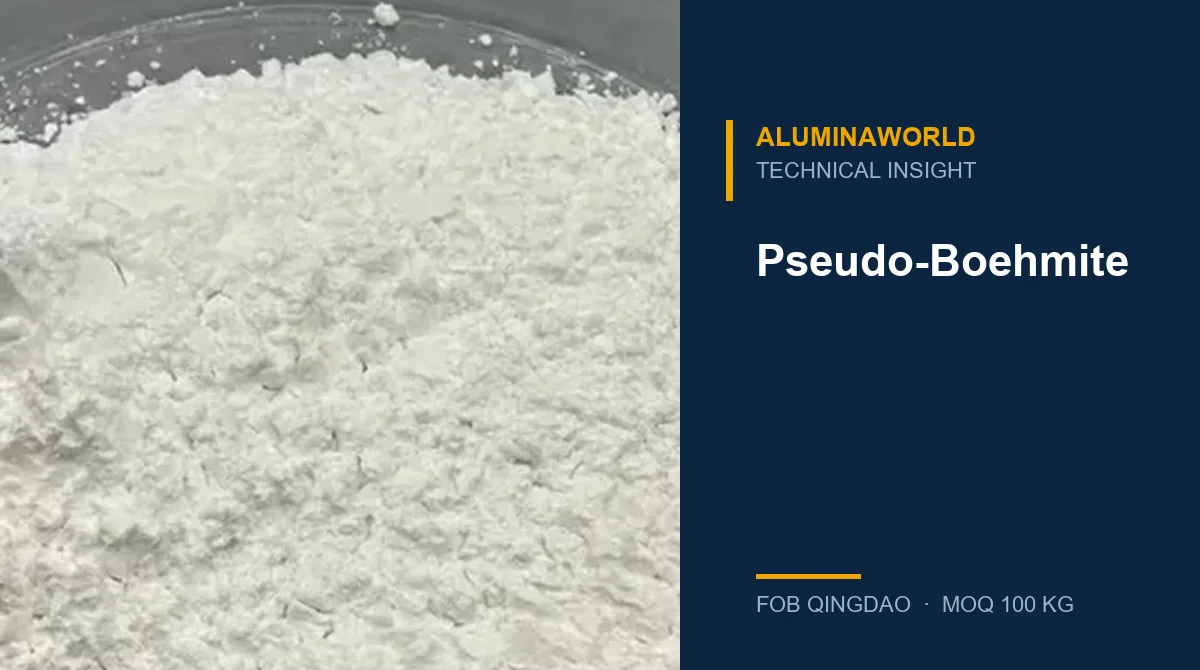
Pseudo Boehmite Alumina Content: 70% vs 75% vs 80% Selection Guide for Catalyst and Ceramic Engineers
Pseudo Boehmite Alumina Content: 70% vs 75% vs 80% Selection Guide for Catalyst and Ceramic Engineers — COA numbers, dosage across service conditions,…
Read Article →
Pseudo Boehmite For Lithium Battery Separator Coating
Engineering guide to pseudo boehmite for lithium battery separator. Covers the underlying chemistry, grade-by-grade numerical comparison, dosing and cycle…
Read Article →
Pseudo Boehmite for FCC Catalyst: Gel vs Powder Property Differences
Pseudo Boehmite for FCC Catalyst: Gel vs Powder Property Differences — COA numbers, dosage across service conditions, regeneration economics, and a…
Read Article →
Pseudo Boehmite for Hydrodesulfurization: Pore Structure Design for CoMo and NiMo Catalysts
Pseudo Boehmite for Hydrodesulfurization: Pore Structure Design for CoMo and NiMo Catalysts — COA numbers, dosage across service conditions, regeneration…
Read Article →
Pseudo-Boehmite Aging Time Effect on Pore Structure: 0h vs 24h vs 72h at 80°C Crystallinity Data
Engineering guide to pseudo boehmite aging time pore structure. Covers the underlying chemistry, grade-by-grade numerical comparison, dosing and cycle…
Read Article →
Pseudo-Boehmite Peptization Index: How to Read HCl, Formic Acid, and HNO₃ Demand Curves
Engineering guide to pseudo boehmite peptization index hcl formic. Covers the underlying chemistry, grade-by-grade numerical comparison, dosing and cycle…
Read Article →
Regeneration Gas Composition Effect on Activated Alumina Capacity: Dry Air vs Nitrogen vs Methane — 7 Field Cases
Engineering guide to activated alumina regeneration gas composition dry. Covers the underlying chemistry, grade-by-grade numerical comparison, dosing
Read Article →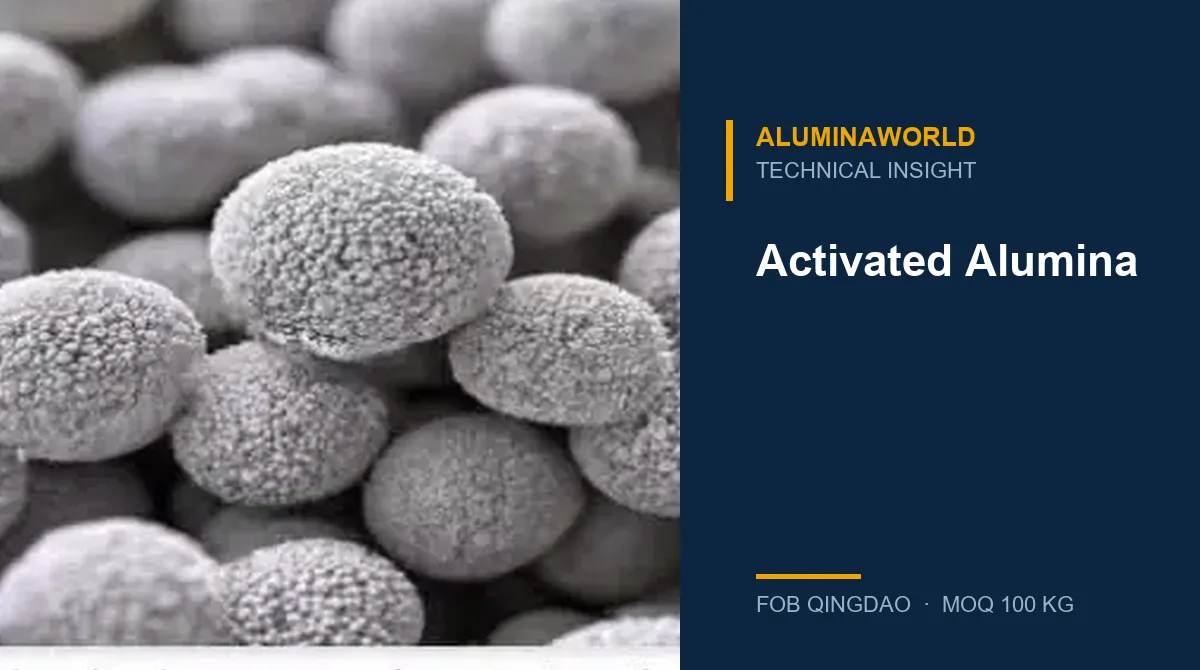
Regeneration Gas Composition Effect on Activated Alumina Capacity: Dry Air vs Nitrogen vs Methane — 7 Field Cases
Engineering guide to activated alumina regeneration gas composition dry. Covers the underlying chemistry, grade-by-grade numerical comparison, dosing and…
Read Article →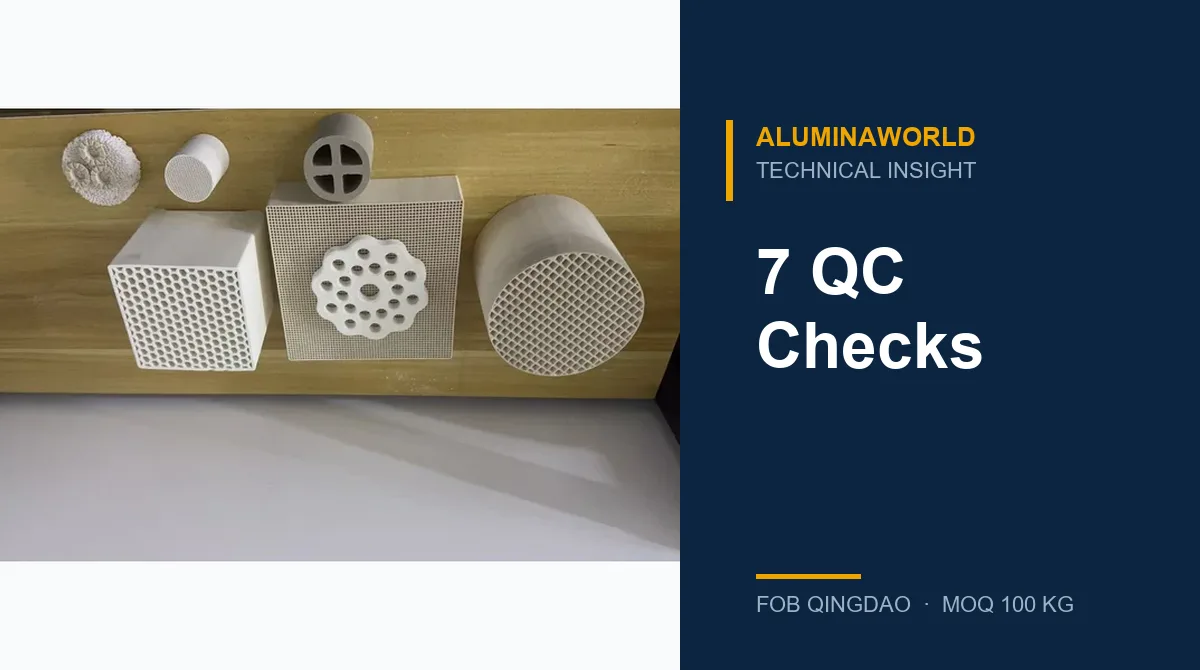
Sourcing Molecular Sieve from China: 7 QC Checks Every Buyer-Engineer Should Run Before Loading Vessels (2026 Update)
Sourcing Molecular Sieve from China: 7 QC Checks Every Buyer-Engineer Should Run Before Loading Vessels (2026 Update) — COA numbers, dosage across service…
Read Article →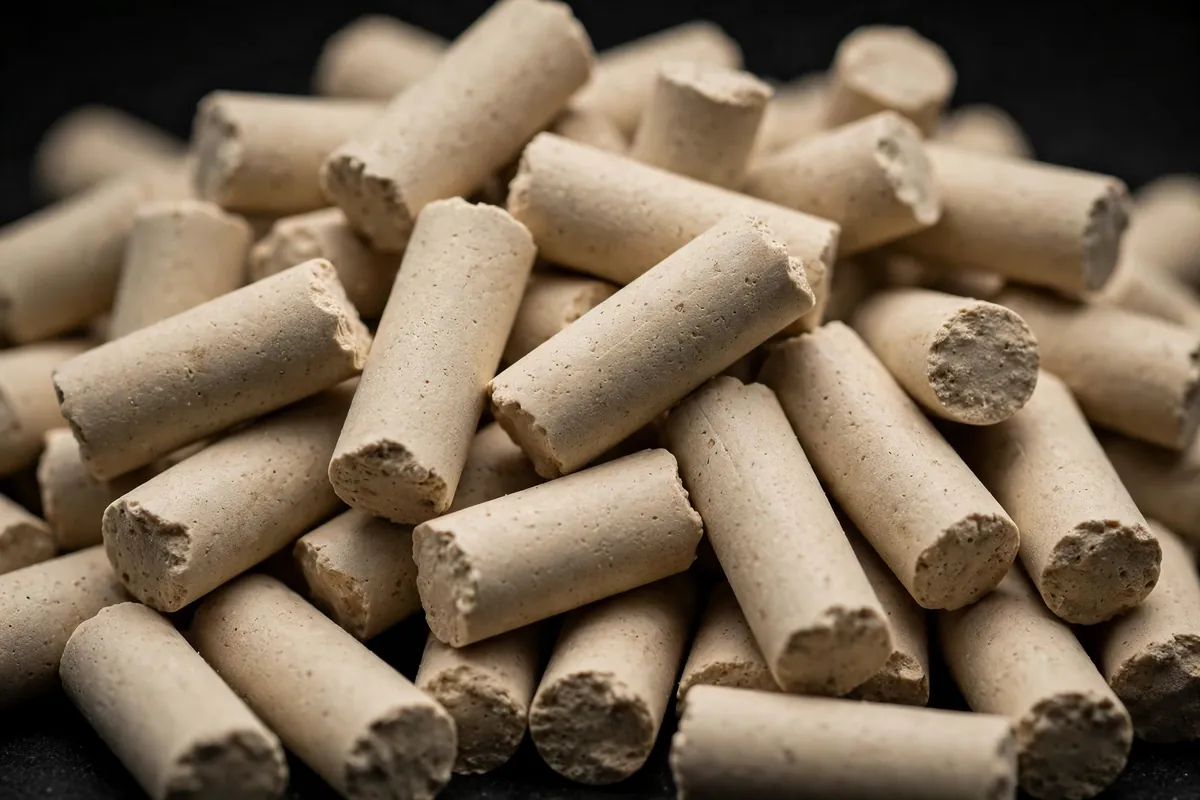
Spherical vs Extrudate Catalyst Carrier: Pressure Drop, Diffusion Length, and Mechanical Strength Trade-Off
Spherical vs Extrudate Catalyst Carrier: Pressure Drop, Diffusion Length, and Mechanical Strength Trade-Off — COA numbers, dosage across service…
Read Article →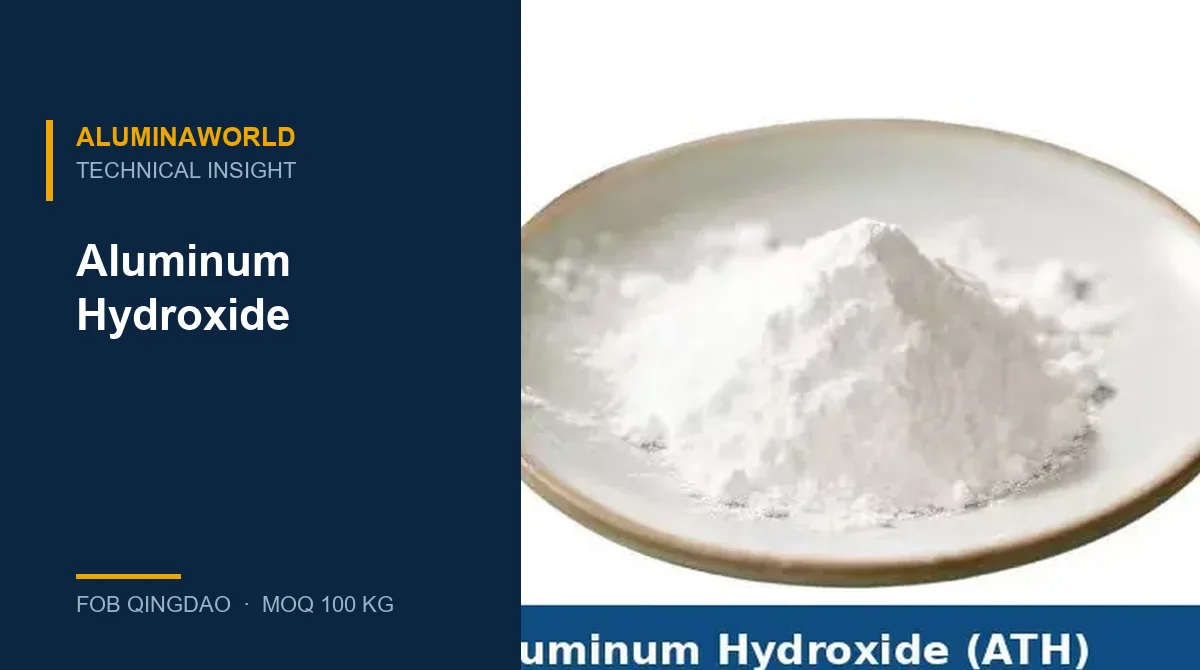
Surface-Treated ATH: How Silane Coating Improves Polymer Loading and Dispersion
Surface-Treated ATH: How Silane Coating Improves Polymer Loading and Dispersion — COA numbers, dosage across service conditions, regeneration economics,…
Read Article →
Tabular Alumina for Catalyst Bed Support: 6×6 Mesh vs 1/4" Spheres vs Saddle Random Packing — Pressure Drop, Mass Distribution, and ASTM D4058 Attrition Data
Tabular Alumina for Catalyst Bed Support: 6×6 Mesh vs 1/4" Spheres vs Saddle Random Packing — Pressure Drop, Mass Distribution, and ASTM D4058 Attrition…
Read Article →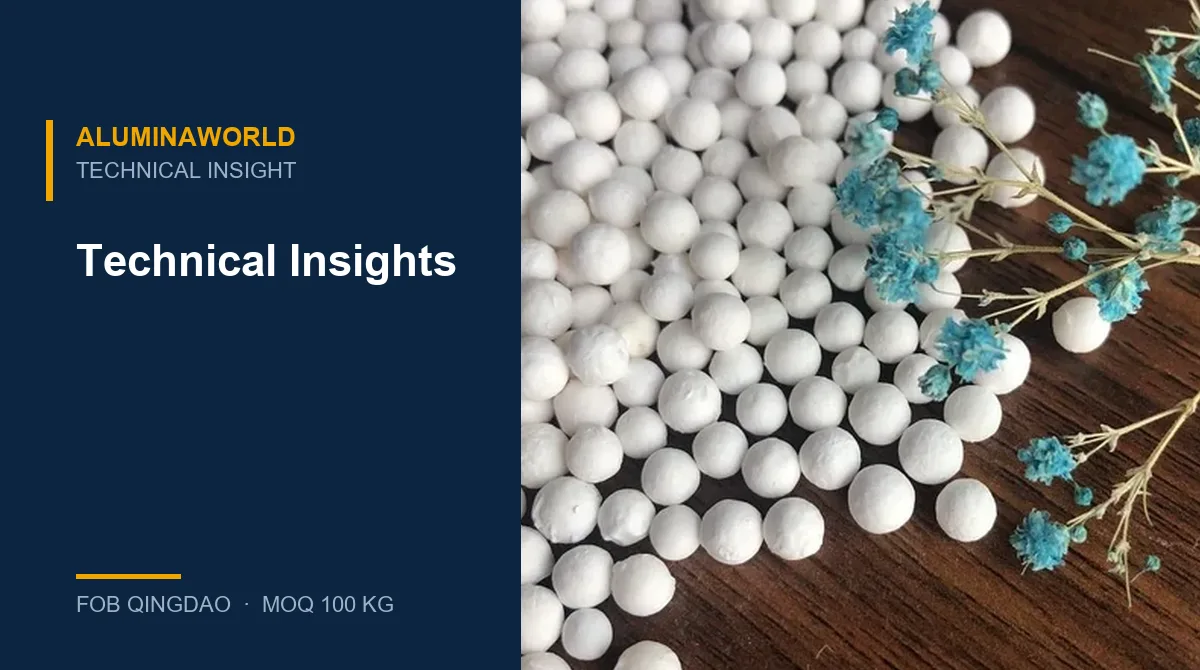
Tabular Alumina vs White Fused Alumina: Cost-Performance in Technical Ceramics
Tabular Alumina vs White Fused Alumina: Cost-Performance in Technical Ceramics — COA numbers, dosage across service conditions, regeneration economics,…
Read Article →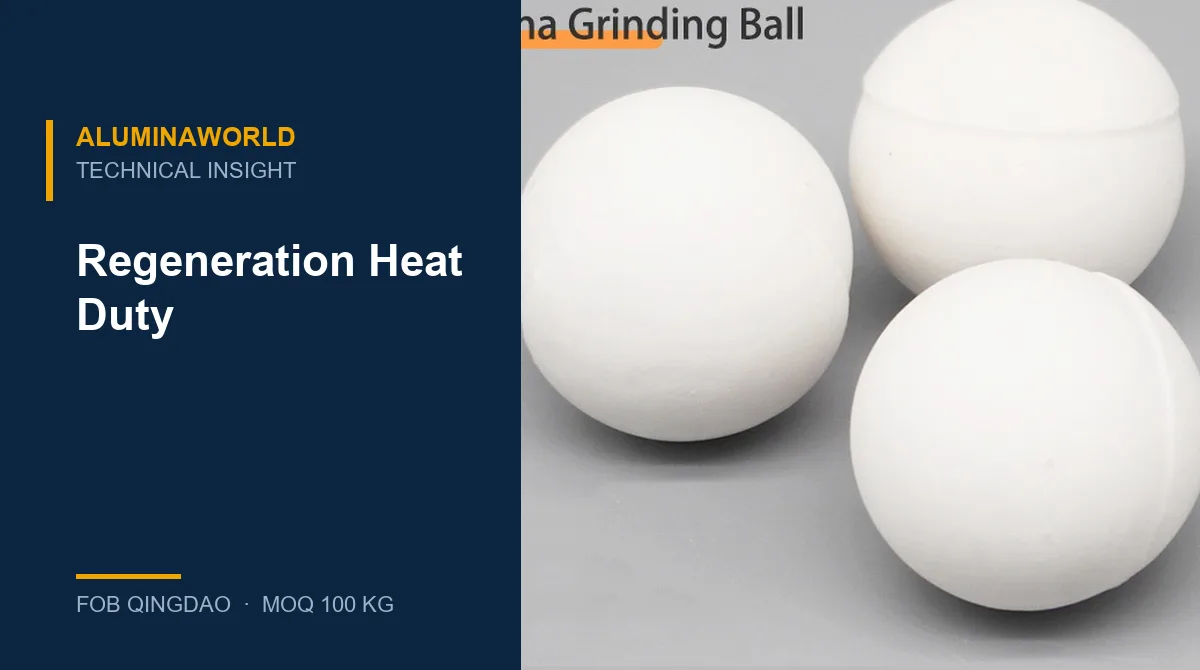
Thermal Regeneration Heat Duty Calc Sensible Desorption Enthalpy Worked Example
Engineering guide to thermal regeneration heat duty calc sensible. Covers the underlying chemistry, grade-by-grade numerical comparison, dosing and cycle…
Read Article →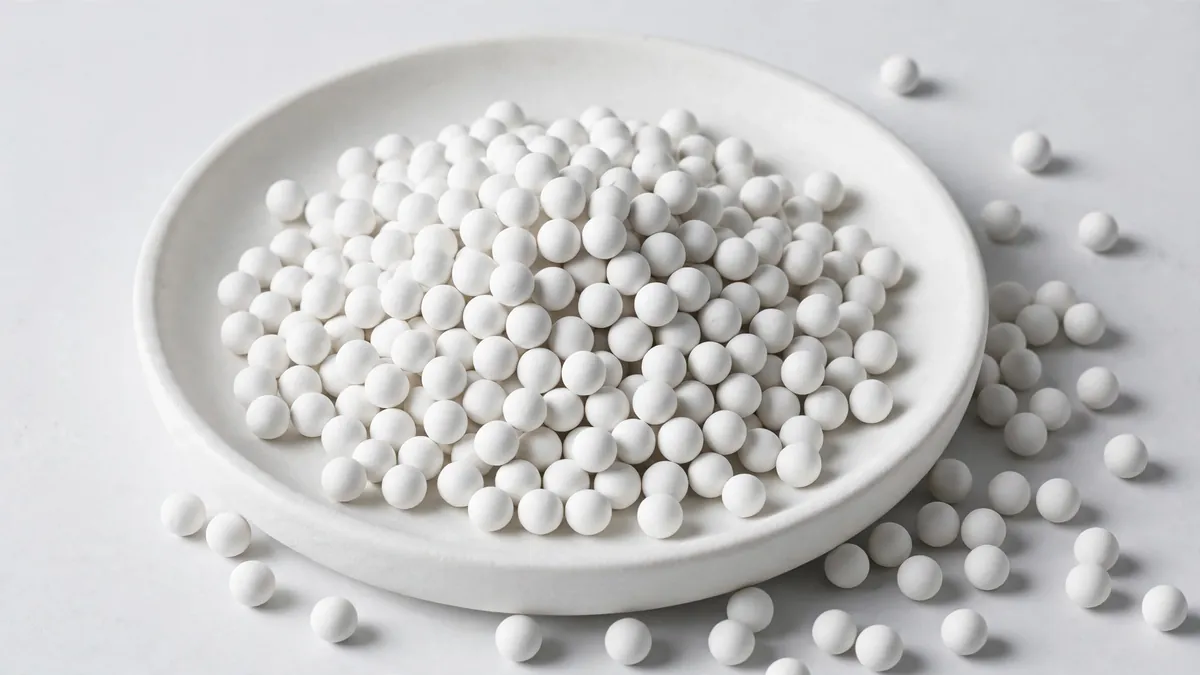
Why Cation-Modified Aluminium Oxide Outperforms Plain γ-Al₂O₃ in Compressed-Air Dryers — Meshcheryakov et al. (Applied Sciences, 2021) Translation
Why Cation-Modified Aluminium Oxide Outperforms Plain γ-Al₂O₃ in Compressed-Air Dryers — Meshcheryakov et al. (Applied Sciences, 2021) Translation — COA…
Read Article →Why Your Activated Alumina Disintegrates: Mechanical Strength Standards Explained
Engineering guide to why activated alumina disintegrates mechanical strength. Covers the underlying chemistry, grade-by-grade numerical comparison, dosing…
Read Article →