Notes on media & materials.
Short, practical articles — each one answers a question our customers actually ask. If your question isn't here, email us; it may become the next article.
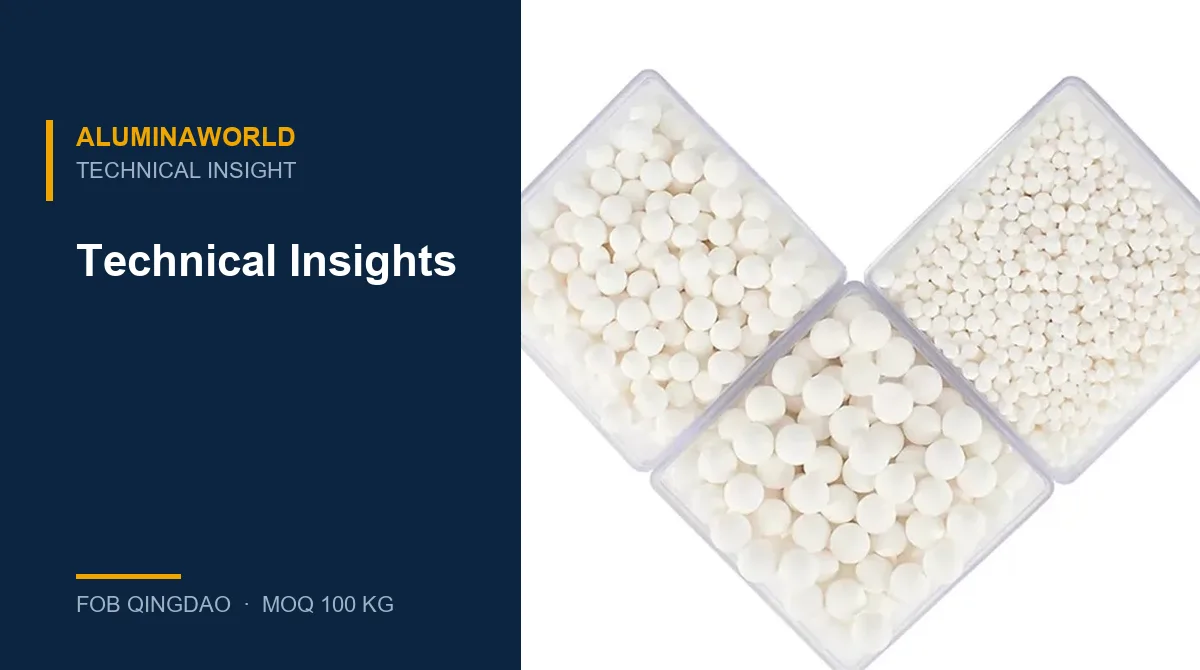
Calcined Alumina for Sapphire Substrate Lapping and Polishing — Particle Size Selection | AluminaWorld
Calcined alumina (alpha-Al2O3) is the standard polishing abrasive for sapphire substrate (LED, watch face, semiconductor wafer) lapping and polishing.…
Read Article →
CMP Slurry Settling: Pseudo-Boehmite vs Fumed Alumina for Sub-0.5 µm Polishing
Engineering deep dive into pseudo-boehmite vs fumed alumina for CMP slurry at sub-0.5 micron nodes. Covers gel morphology, zeta potential envelope, LPC at…
Read Article →
Battery Cell Dry Room Oxygen Sensor Calibration: How a Molecular Sieve Dryer Failure Silently Raises Your O2 Reading Drift
Practical engineering guide to battery dry room oxygen sensor calibration: why a failing molecular sieve bed raises O2 reading drift while dew point stays…
Read Article →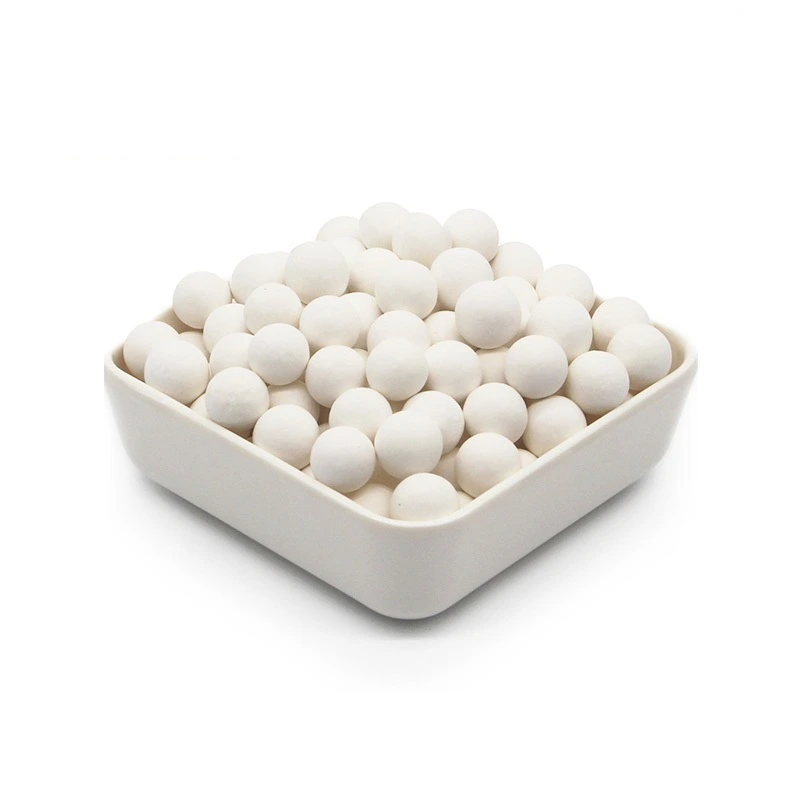
Ammonia Slip from Blue Hydrogen: How Activated Alumina Polishing Stage Reduces NH3 from 200 ppm to <10 ppm
Engineering guide to activated alumina polishing stage for blue hydrogen NH3 removal. Covers NH3 adsorption chemistry on gamma-alumina, 7-step bed sizing…
Read Article →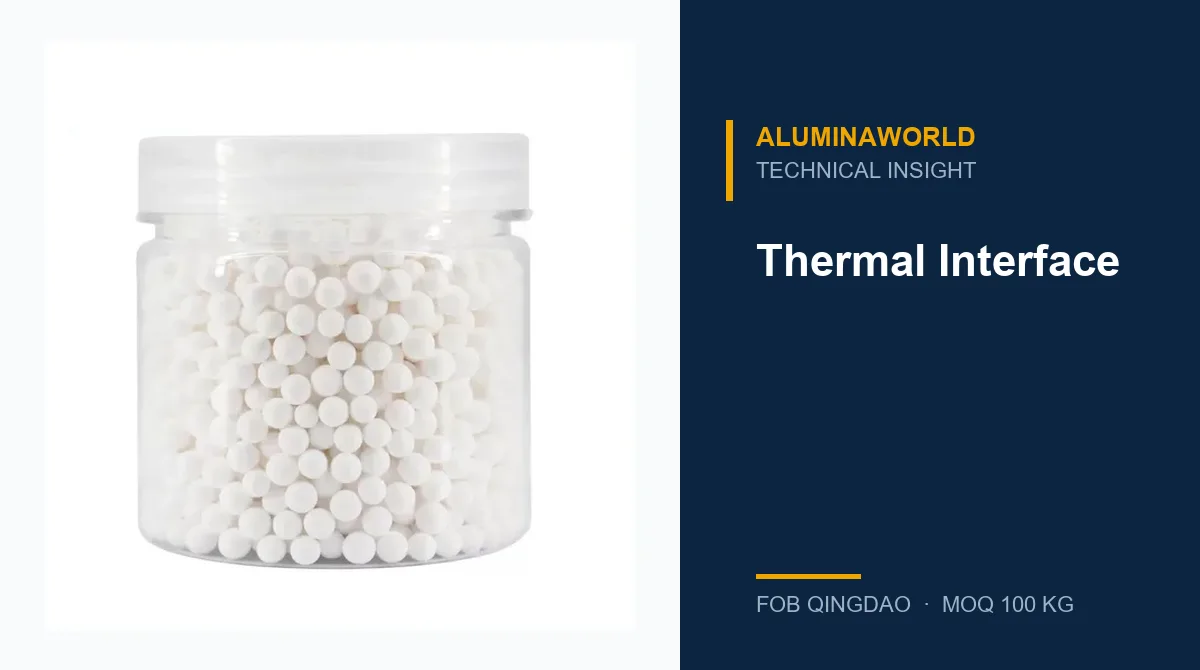
Alumina Powder for Thermal Interface Materials (TIM): Bimodal Packing to Reach 6 W/mK - AluminaWorld
How 3A and 5A molecular sieve beds are sized, regenerated, and qualified for removing moisture, CO2, and oxygenates from electronic-grade specialty gases…
Read Article →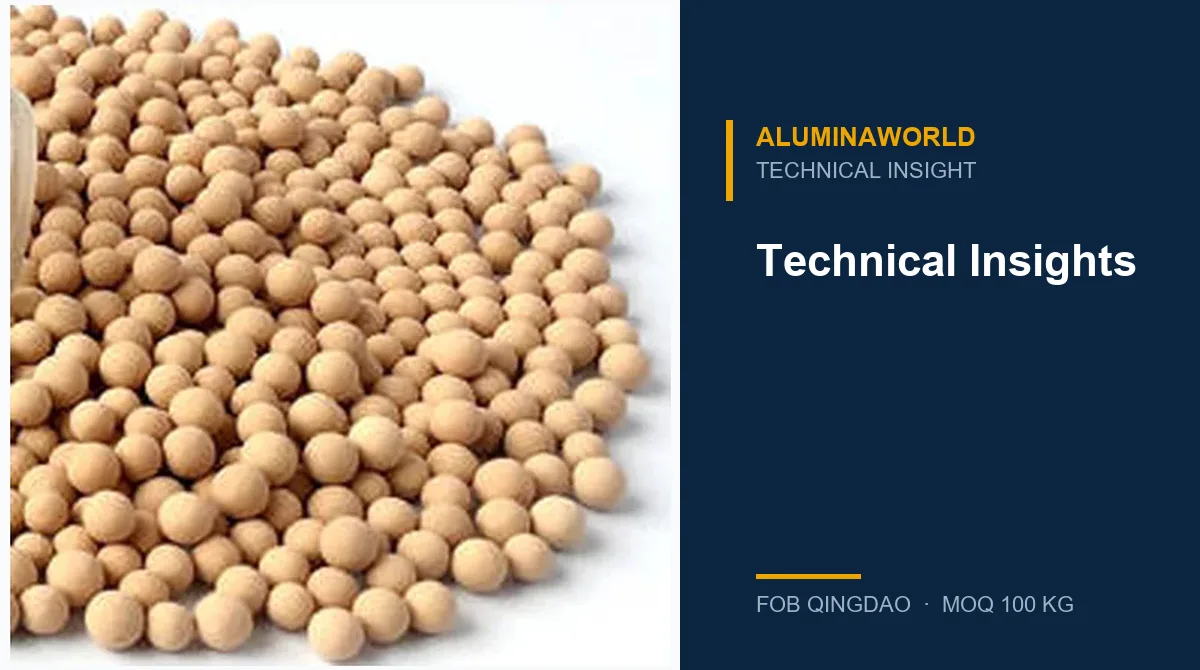
Alumina Ceramic Ball for RTO (Regenerative Thermal Oxidizer) — Heat Storage Media Selection | AluminaWorld
High-alumina ceramic balls (Al2O3 70-95%) used as heat storage media in RTO (Regenerative Thermal Oxidizer) and RCO (Regenerative Catalytic Oxidizer)…
Read Article →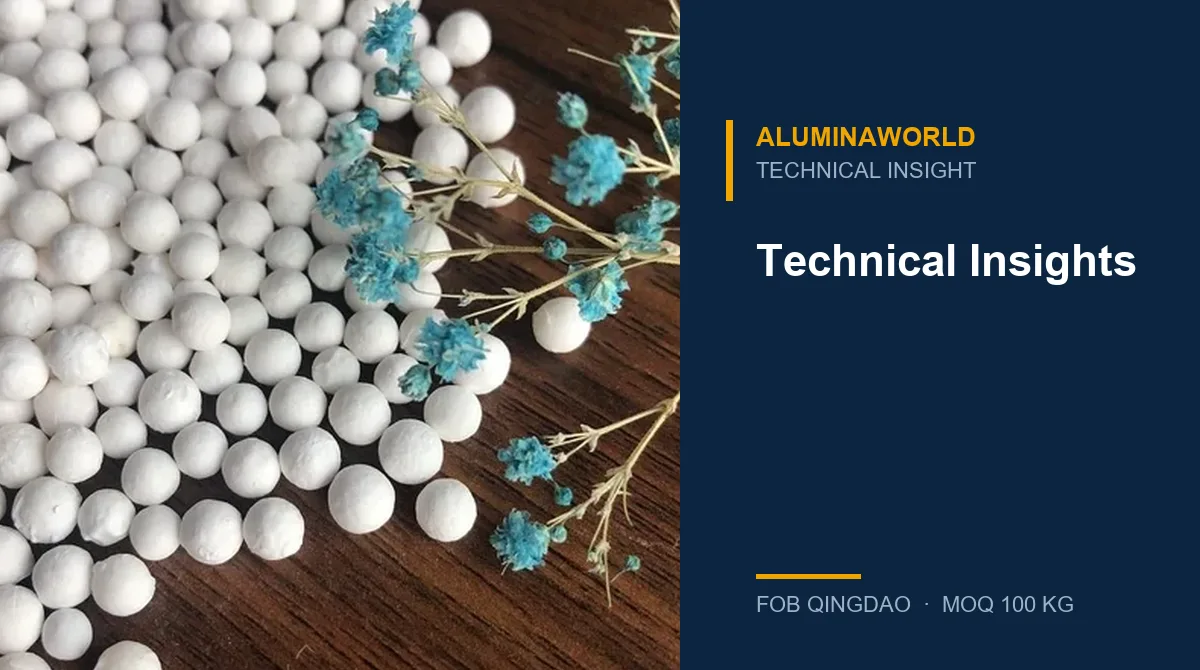
Alumina Ceramic Ball as Catalyst Inert Support Packing — Loading and Bed Design | AluminaWorld
High-alumina ceramic balls (Al2O3 70-99%) are used as inert support packing in fixed-bed catalytic reactors, supporting active catalyst pellets and…
Read Article →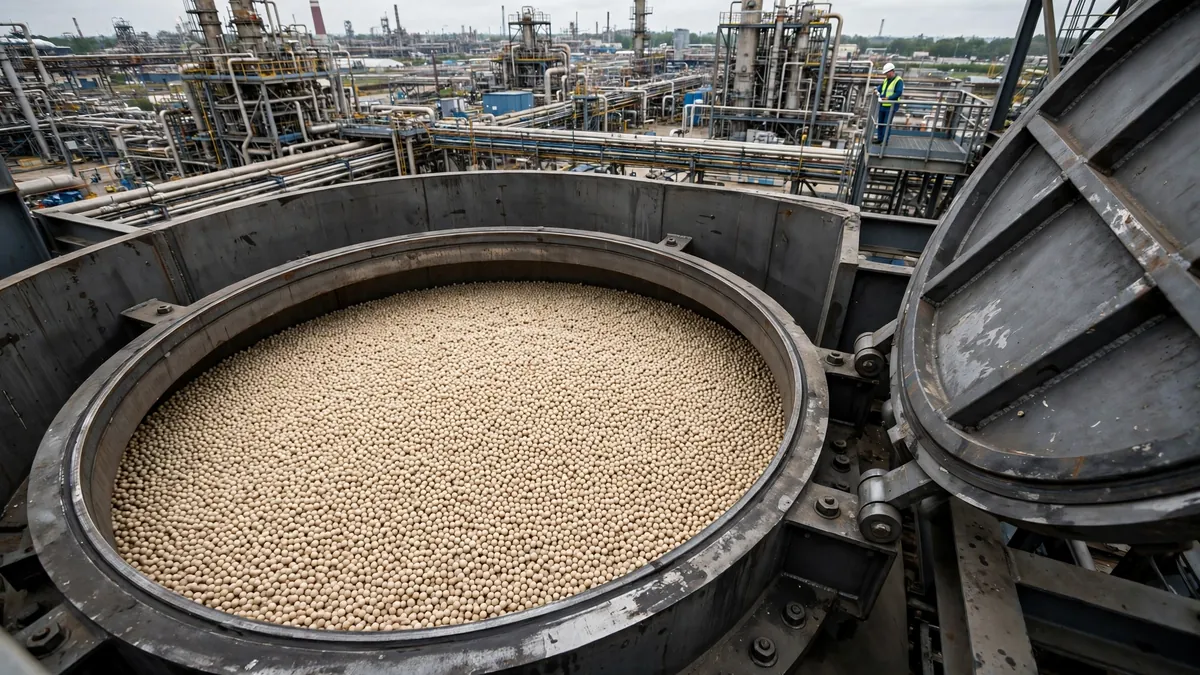
Adsorber Vessel Corrosion Under Desiccant Beds: Chloride Pitting, Stress Corrosion Cracking, and Liner Selection (RB vs FBE vs PTFE vs Alloy Overlay) - AluminaWorld
Adsorber vessel corrosion under chloride-loaded desiccant beds is the failure mode that takes a 15-year-old molecular sieve dryer from
Read Article →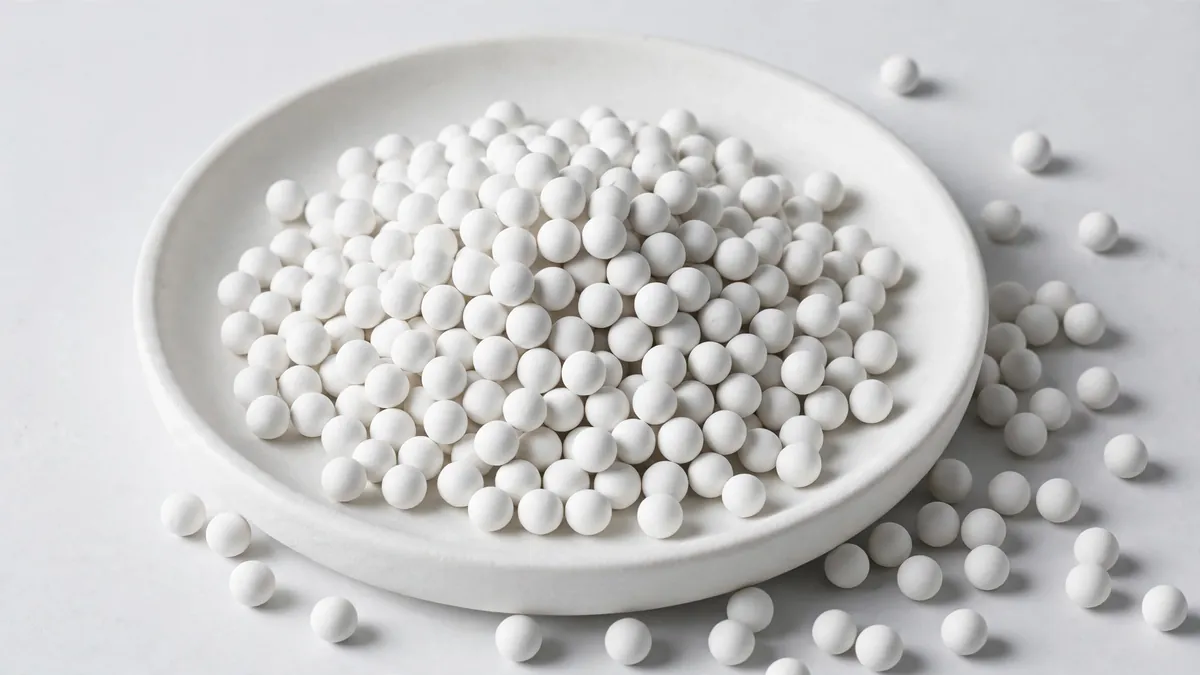
Activated Alumina Ball Attrition in Pneumatic Conveying Lines: How to Specify 5 N/mm Crush Strength Minimum
Engineering guide to activated alumina ball attrition, pneumatic conveying, 5 N/mm crush strength, testing, layout and
Read Article →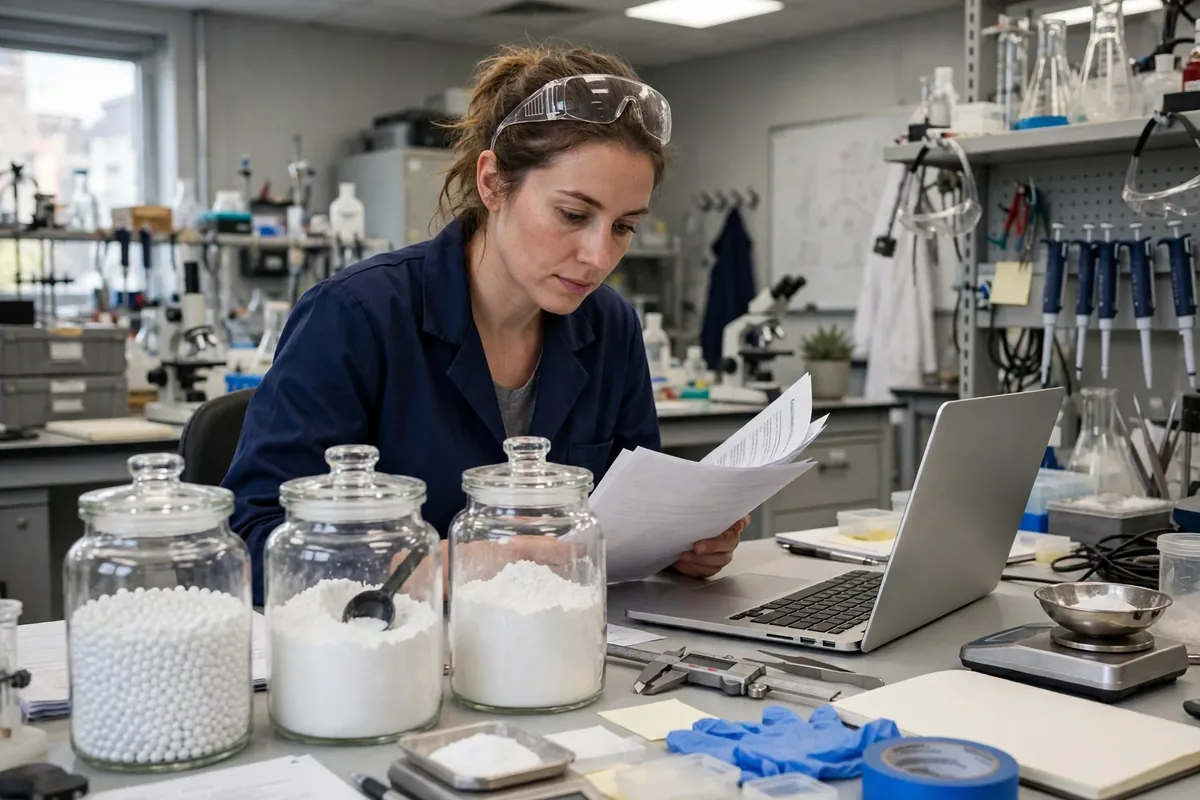
ATH vs Boron Nitride (BN) for Thermal Management: Dk, Df, and CTE Comparison
Side-by-side engineering comparison of aluminum hydroxide (ATH) and hexagonal/amorphous boron nitride for thermal management materials: dielectric…
Read Article →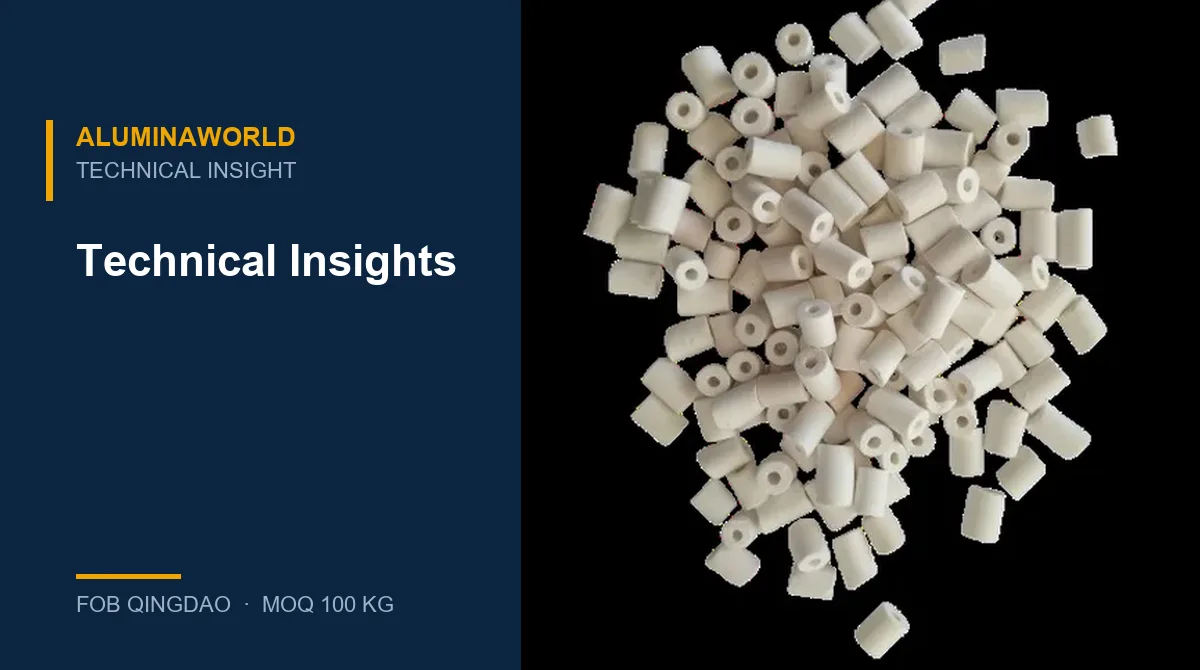
ATH Flame Retardant for TPU (Thermoplastic Polyurethane) — Loading Level and Mechanical Properties | AluminaWorld
Aluminum hydroxide (ATH) at 50-65 phr loading is the standard halogen-free flame retardant for thermoplastic polyurethane (TPU) wire and cable compounds.…
Read Article →13X vs 5A Molecular Sieve for Medical Air Drying: Dew Point, CO2 Control, and Safe Bed Design
Engineering comparison of 13X vs 5A molecular sieve for medical air drying: pressure dew point, CO2 control, layered bed design, sizing, standards,…
Read Article →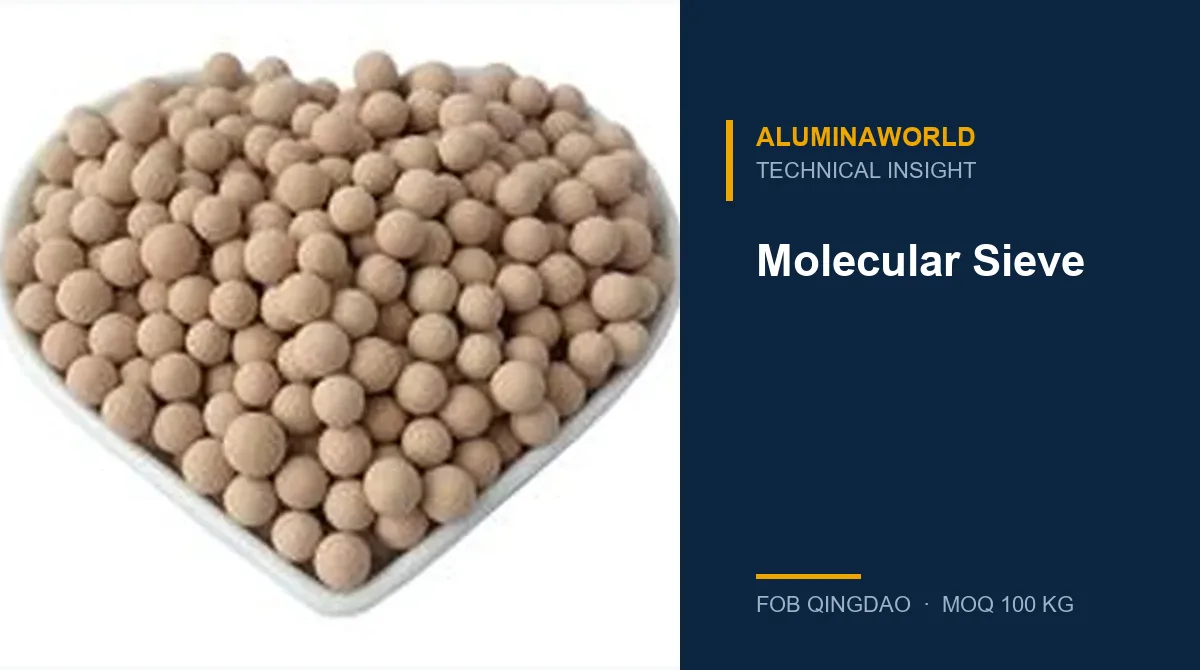
Molecular Sieve 5A for Hydrogen PSA: 99.99% Purity, Tail Gas Recycle, and Bed Design
Engineering guide to 5A molecular sieve for hydrogen PSA: 99.99% H2 purity, 70-85% recovery, 2-bed to 10-bed cycle design, tail gas recycle economics,…
Read Article →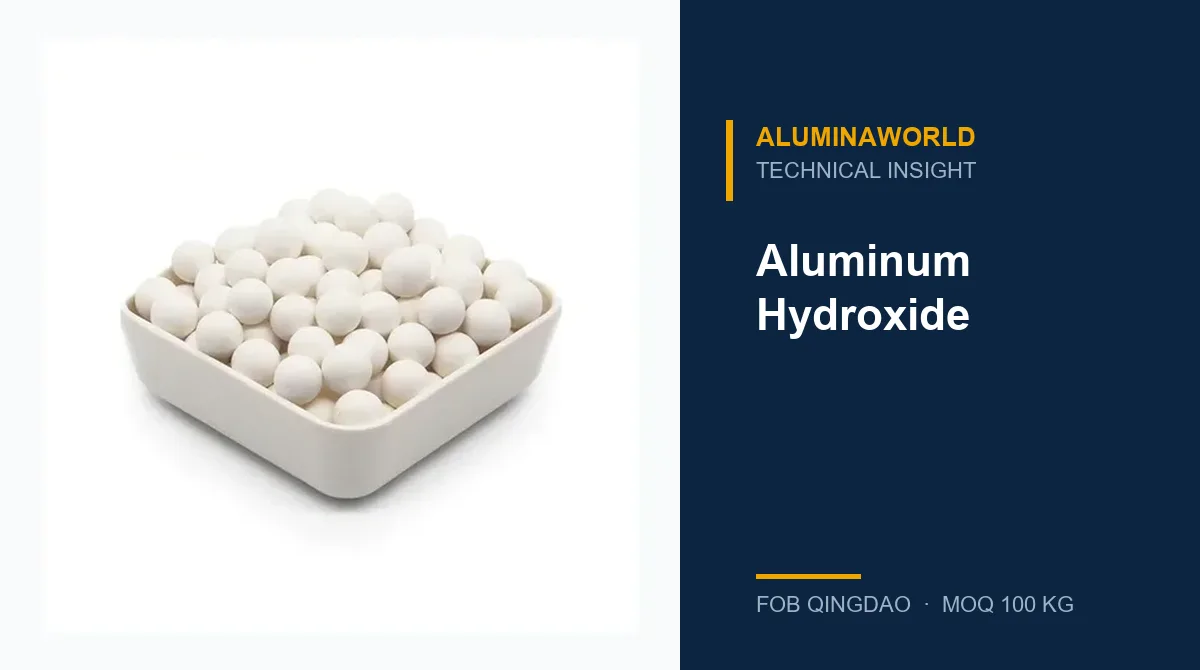
ATH for Phenolic Resin (PF) in Brake Pads: Why Loading > 60% Wins Fade Tests (SAE J661 Data Inside) | Aluminaworld
Engineering guide to aluminum trihydroxide (ATH) in phenolic resin brake-pad friction materials: mass-fraction 50% to 75% effect on friction coefficient…
Read Article →
Catalyst Carrier Sulfur Tolerance: How γ-Al2O3 vs η-Al2O3 vs α-Al2O3 Perform in HDS Service
Engineering comparison of gamma-alumina, eta-alumina, and alpha-alumina catalyst carriers in hydrodesulfurization (HDS) service. Sulfur uptake, sulfiding…
Read Article →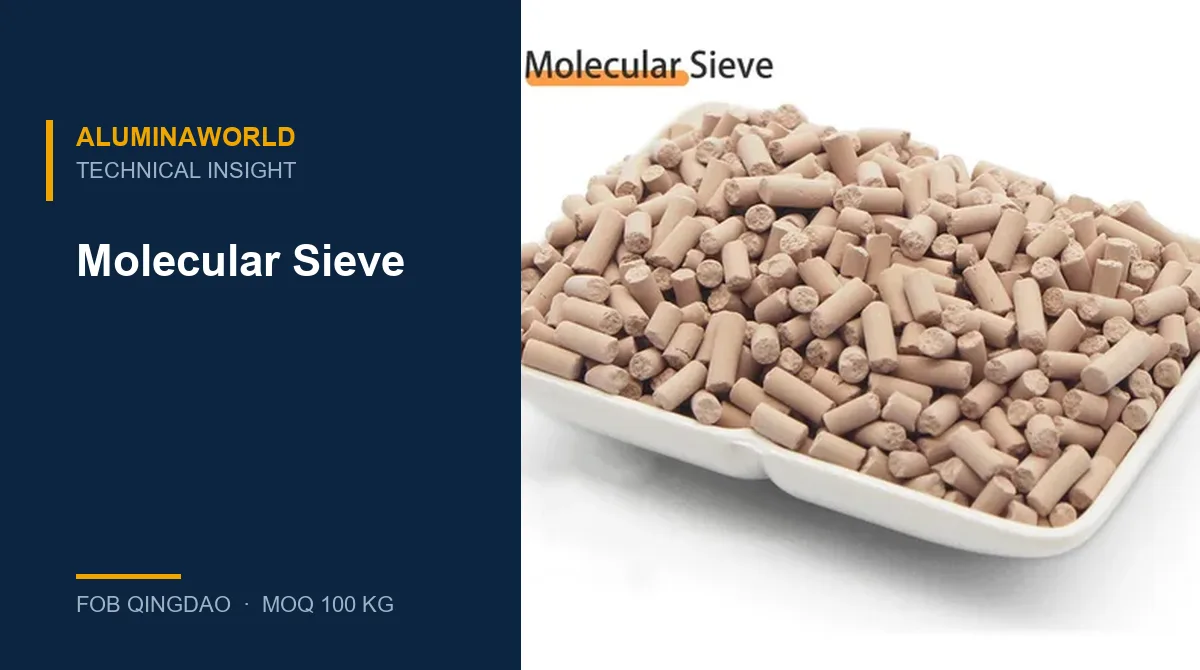
Molecular Sieve 4A for CNG Compressor Station and NGV Refueling Drying: ISO 15403 and GB 18047 Compliance Engineering Guide | Aluminaworld
Engineering guide to molecular sieve 4A for CNG mother and daughter stations, NGV refueling compressors, and LNG vehicle satellite fueling: ISO 15403-1…
Read Article →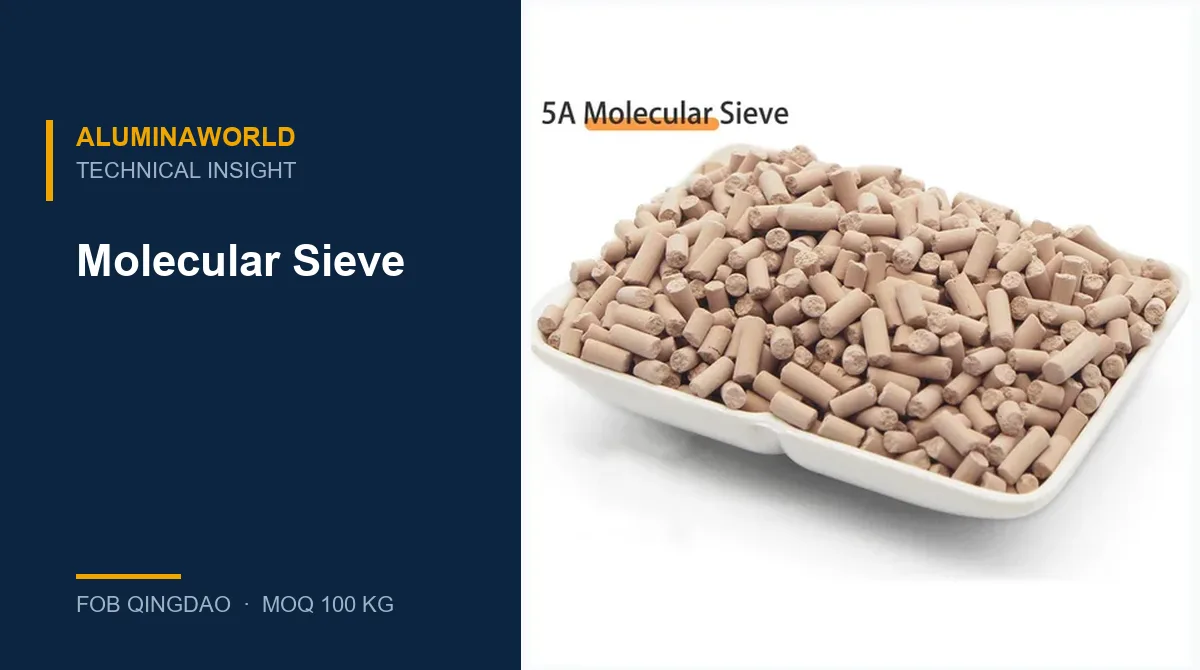
Molecular Sieve 4A for Natural Gas Pipeline Dew Point Control: Joule-Thomson Cooling, Hydrate Prevention, and ISO 18453 Compliance
Engineering guide to molecular sieve 4A for natural gas pipeline dew-point control: Joule-Thomson cooling at 1.5 km depth, hydrate formation curves, ISO…
Read Article →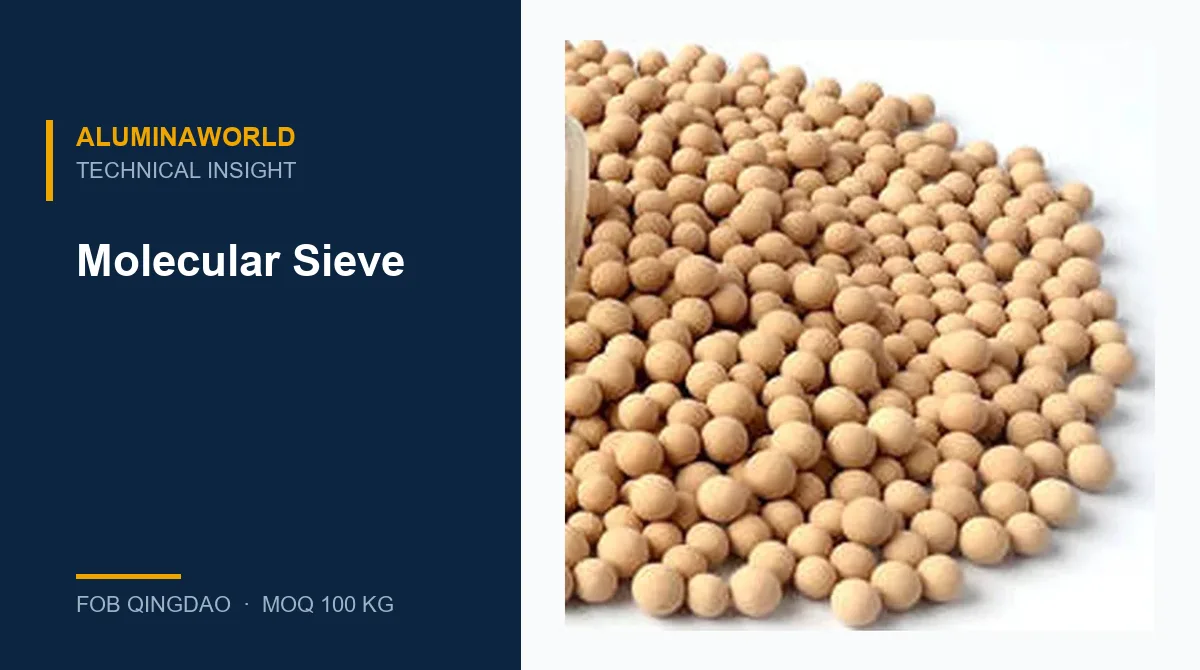
Molecular Sieve 5A for n-Paraffin / iso-Paraffin Separation (MOLSIV): UOP Molex Process Engineering Data | Aluminaworld
Molecular sieve 5A is the only commercial adsorbent that separates linear n-paraffins (C10 to C20) from branched iso-paraffins, naphthenes, and aromatics…
Read Article →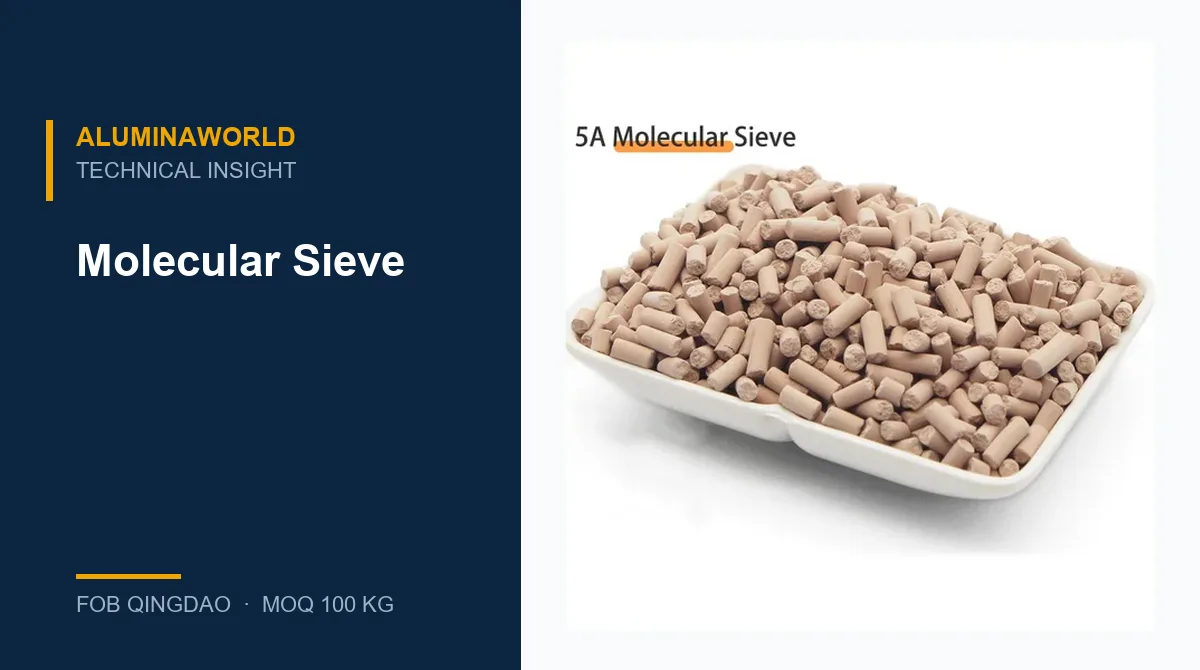
Molecular Sieve 13X for Cryogenic Air Separation Pre-Purification: How CO2, H2O, and C2+ Hydrocarbons Are Removed Before the Cold Box
Every cryogenic air separation unit (ASU) — from a 200 tpd merchant oxygen plant to a 5,000 tpd integrated gasification combined-cycle (IGCC)…
Read Article →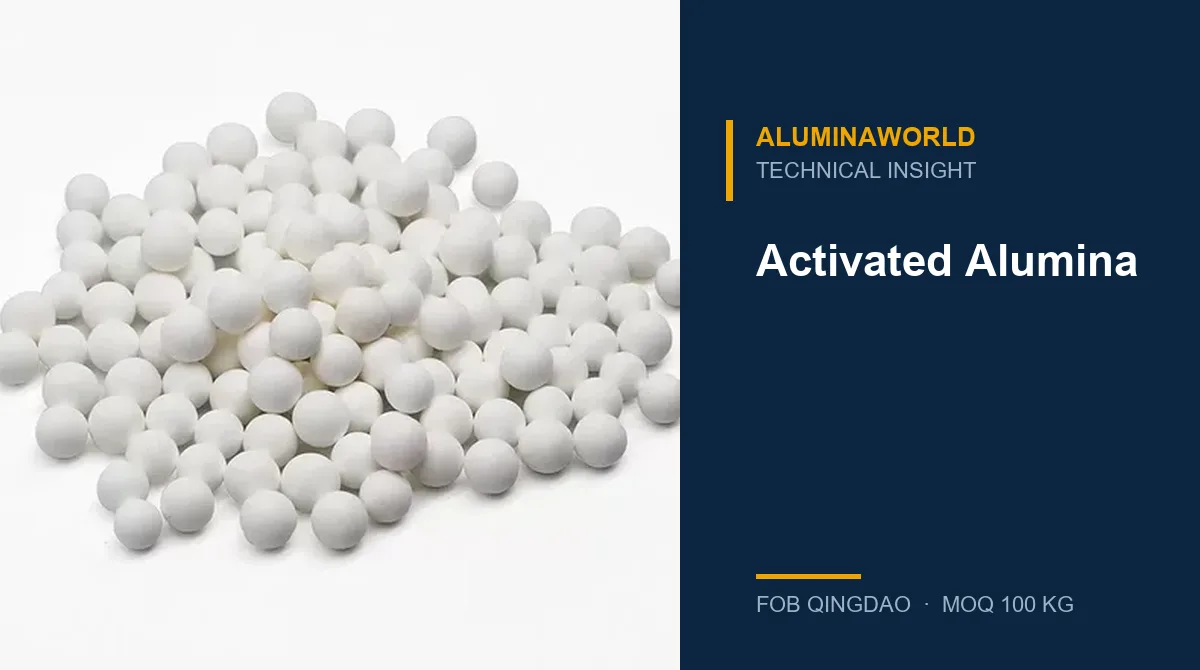
Activated Alumina in Sulfuric Acid and Oleum Plants: Compatibility Boundaries, Dry-Air Duty, and Safer Adsorbent Selection
Activated alumina is useful around sulfuric-acid plants for dry instrument air and isolated utility-gas service, but it is not a packing, mist eliminator,…
Read Article →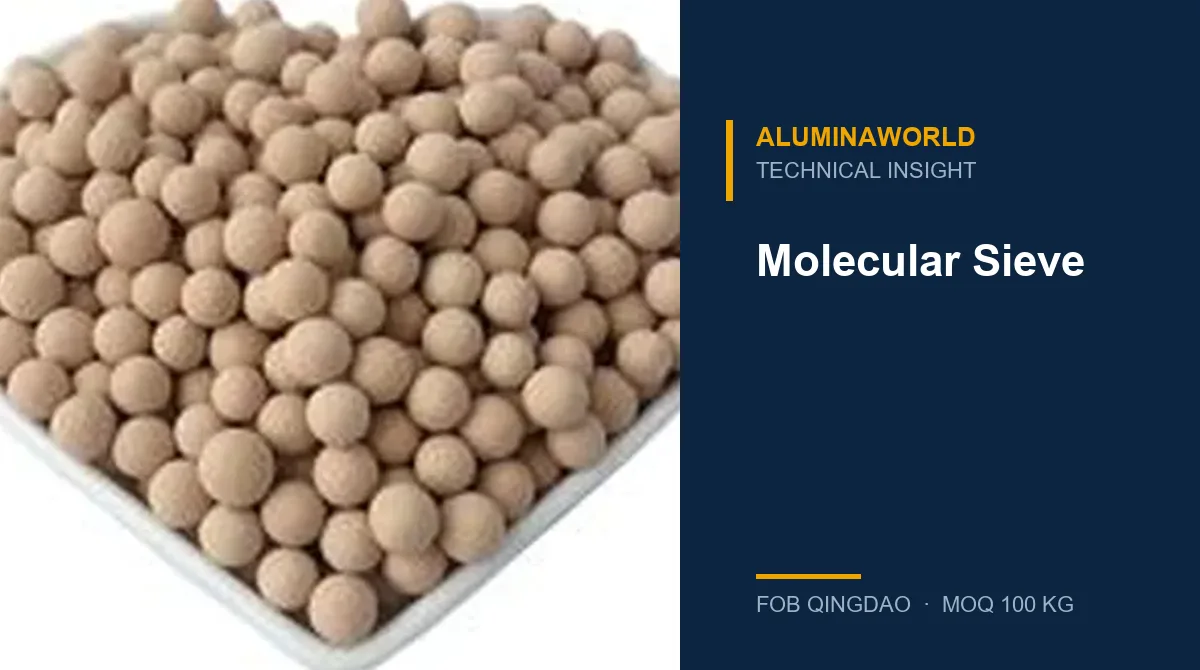
13X Molecular Sieve for Industrial Air Separation Unit (ASU) Pre-Purification: CO2, H2O, C2+ Removal Before Cold Box
Every cryogenic air separation unit (ASU) starts with a pre-purification vessel packed with molecular sieve 13X. This guide explains how 13X strips CO2,…
Read Article →Molecular Sieve Storage and Handling: 7 Mistakes That Cost You 30% Capacity
Engineering guide to molecular sieve storage and handling: 7 common mistakes that quietly destroy 30 percent of working capacity before the sieve ever…
Read Article →Molecular Sieve 4A vs 3A for Polyol and Polyurethane Drying: Viscosity Impact, Breakthrough Time, and Reactivation Cost
Engineering guide to polyol drying with molecular sieves: 4A vs 3A pore size selection, breakthrough time and water capacity curves, viscosity and NCO…
Read Article →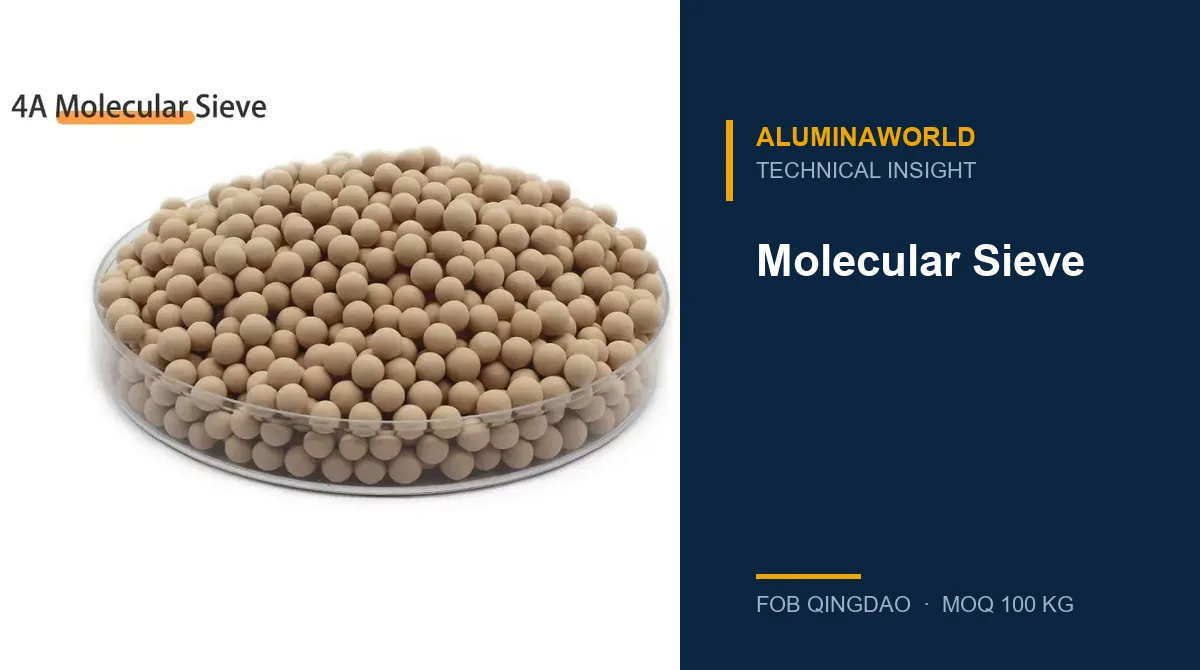
PSA Nitrogen Generation: CMS vs 5A Zeolite — Mass Balance, Purity, and TCO
Engineering comparison of PSA nitrogen generation using carbon molecular sieve (CMS) versus 5A zeolite. Air/material balance, purity air-factor curves,…
Read Article →