Notes on media & materials.
Short, practical articles — each one answers a question our customers actually ask. If your question isn't here, email us; it may become the next article.
API 521 Depressurization Vent Sizing Adsorber Vessels Two Phase Vs Single Phase Flow Regime
Engineering guide to API 521 Depressurization Vent Sizing Adsorber Vessels Two Phase Vs Single Phase Flow Regime. Covers activated alumina chemistry,…
Read Article →
ATH Loading Calculation in LSZH Cable Compounds: A Practical Formulation Guide
ATH Loading Calculation in LSZH Cable Compounds: A Practical Formulation Guide — COA numbers, dosage across service conditions, regeneration economics,…
Read Article →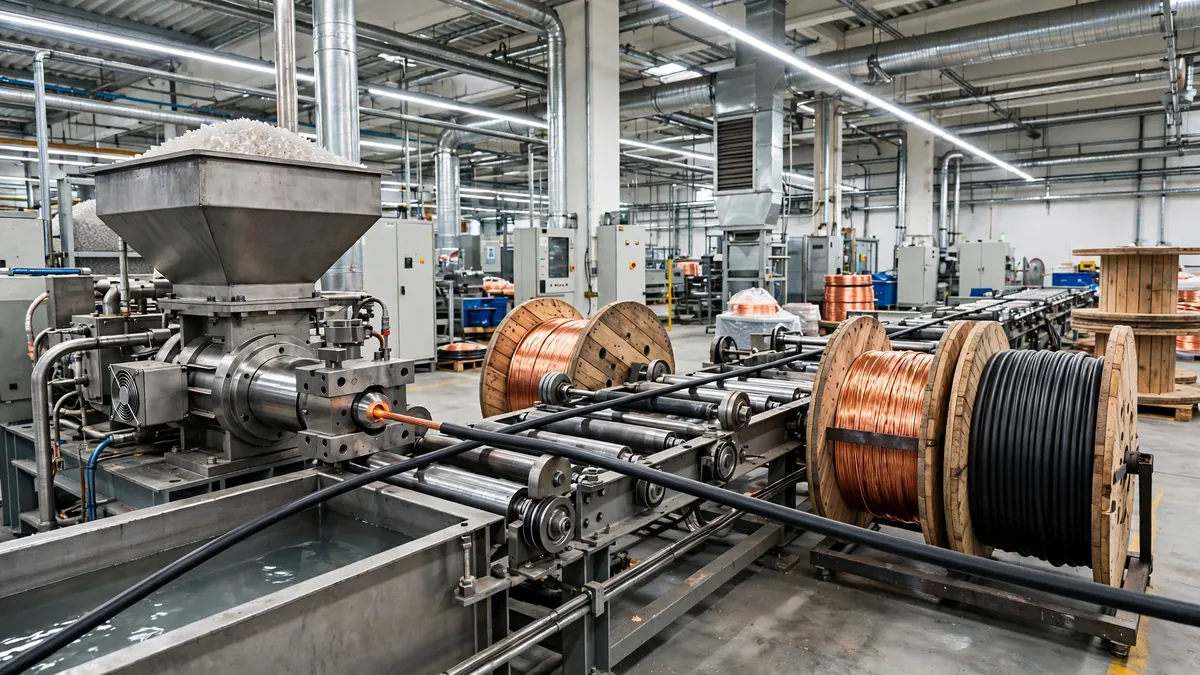
ATH Loading in LSZH Cable: 60% vs 65% Mechanical Properties Test
Engineering guide to ath loading lszh cable 60 vs. Covers the underlying chemistry, grade-by-grade numerical comparison, dosing and cycle kinetics,…
Read Article →
ATH Surface Coatings for Polypropylene: Stearic Acid vs Vinyl Silane vs Titanate
ATH Surface Coatings for Polypropylene: Stearic Acid vs Vinyl Silane vs Titanate — COA numbers, dosage across service conditions, regeneration economics,…
Read Article →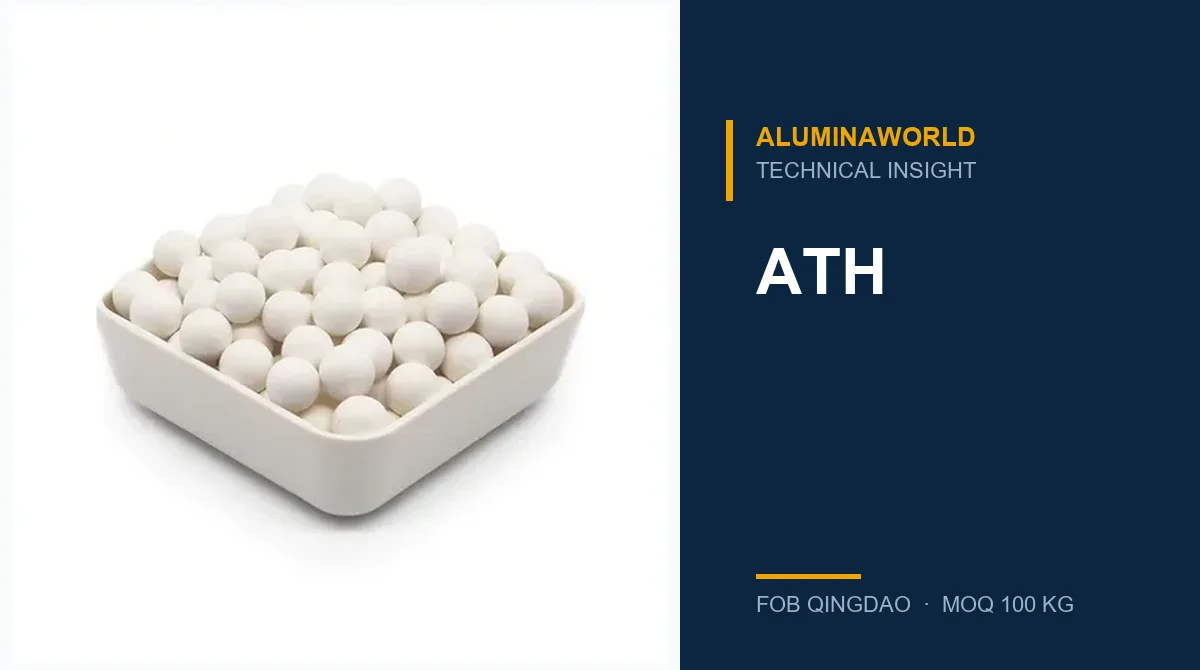
ATH for EPDM Rubber: Surface Treatment Chemistry and Dispersion Engineering
ATH for EPDM Rubber: Surface Treatment Chemistry and Dispersion Engineering — COA numbers, dosage across service conditions, regeneration economics, and a…
Read Article →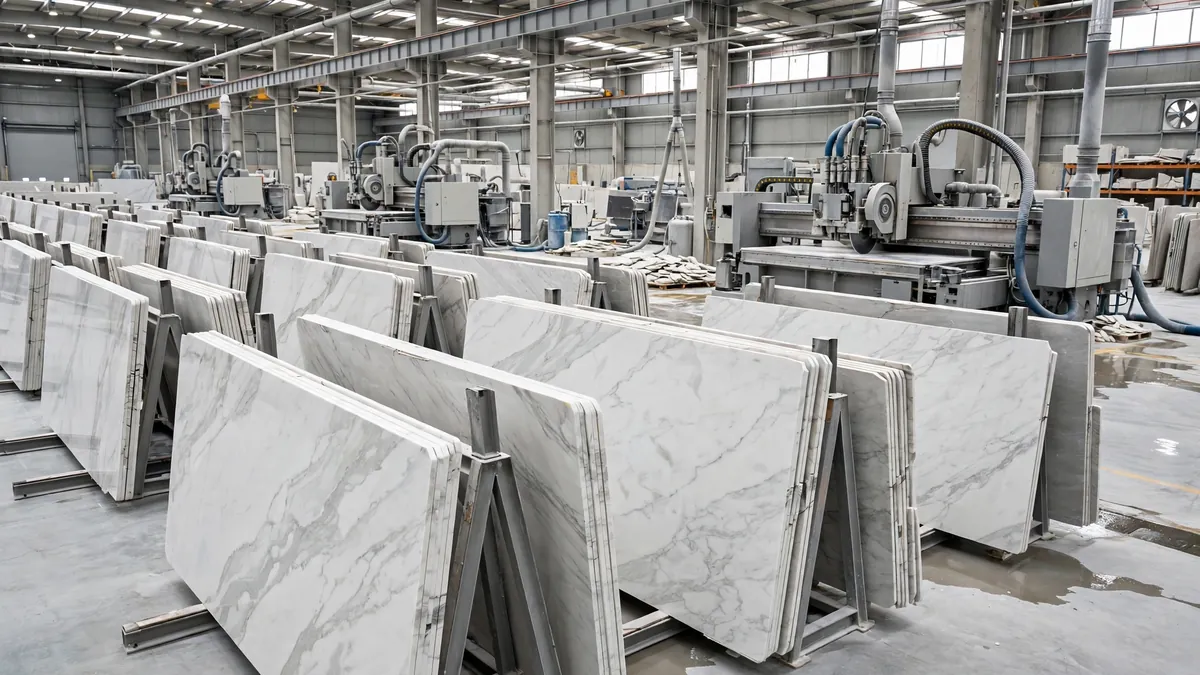
ATH in Artificial Marble: How Aluminum Hydroxide Enables Stone-Look Surfaces
ATH in Artificial Marble: How Aluminum Hydroxide Enables Stone-Look Surfaces — COA numbers, dosage across service conditions, regeneration economics, and…
Read Article →
Activated Alumina Ball Attrition in Pneumatic Conveying Lines: How to Specify Mechanical Strength, Velocity, and Dust Limits
Engineering guide to activated alumina ball attrition pneumatic conveying. Covers the underlying chemistry, grade-by-grade numerical comparison, dosing…
Read Article →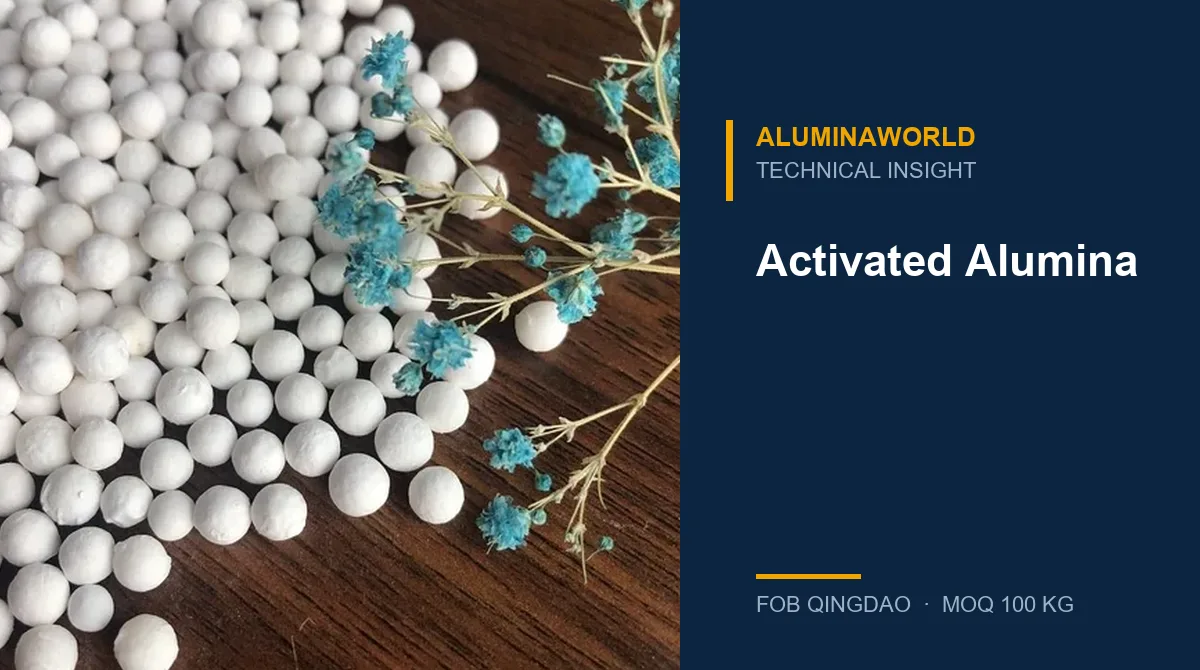
Activated Alumina Ball Regeneration: Temperature and Flow Rate Optimization
Activated Alumina Ball Regeneration: Temperature and Flow Rate Optimization — COA numbers, dosage across service conditions, regeneration economics, and a…
Read Article →Activated Alumina Catalyst Carrier
Engineering guide to Activated Alumina Catalyst Carrier. Covers activated alumina chemistry, grade-by-grade numerical comparison, dosing and cycle…
Read Article →
Activated Alumina Defluoridation: Breakthrough Curves and Bed-Life Economics
Activated Alumina Defluoridation: Breakthrough Curves and Bed-Life Economics — COA numbers, dosage across service conditions, regeneration economics, and…
Read Article →Activated Alumina Munitions Propellant Drying Static Dissipation
Engineering guide to Activated Alumina Munitions Propellant Drying Static Dissipation. Covers activated alumina chemistry, grade-by-grade numerical…
Read Article →
Activated Alumina Pellets vs Beads: Form Factor Differences in Industrial Use
Activated Alumina Pellets vs Beads: Form Factor Differences in Industrial Use — COA numbers, dosage across service conditions, regeneration economics, and…
Read Article →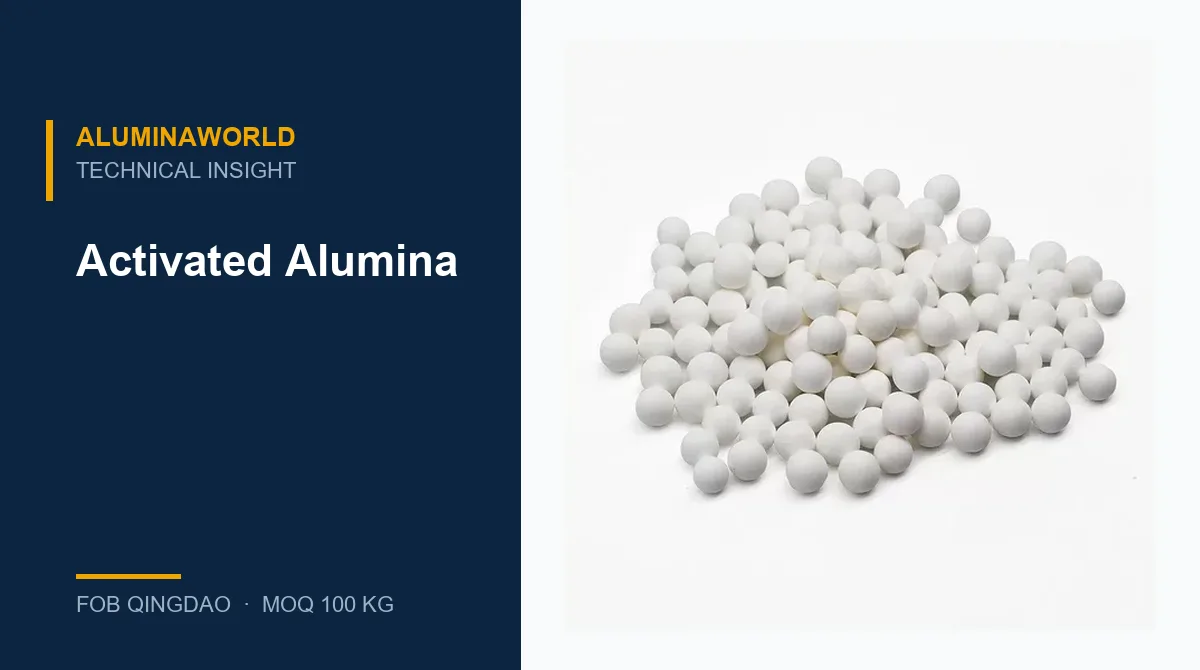
Activated Alumina Powder in Catalyst Manufacturing: How Surface Area, Pore Volume, and Phase Purity Control Catalyst Activity and Selectivity
Activated Alumina Powder in Catalyst Manufacturing: How Surface Area, Pore Volume, and Phase Purity Control Catalyst Activity and Selectivity — COA…
Read Article →
Activated Alumina Surface Area 300 vs 350 m2/g: Does It Matter for Adsorption?
Activated Alumina Surface Area 300 vs 350 m2/g: Does It Matter for Adsorption? — COA numbers, dosage across service conditions, regeneration economics,…
Read Article →Activated Alumina Transformer Breathing
Engineering guide to Activated Alumina Transformer Breathing. Covers activated alumina chemistry, grade-by-grade numerical comparison, dosing and cycle…
Read Article →
Activated Alumina for H2O2 Production: How to Prevent Aluminum Leaching and Extend Working Solution Life
Engineering guide to activated alumina h2o2 production aluminum leaching. Covers the underlying chemistry, grade-by-grade numerical comparison, dosing and…
Read Article →Activated Alumina for HF Defluoridation: Capacity vs Particle Size Curve
Engineering guide to activated alumina hf defluoridation capacity particle. Covers the underlying chemistry, grade-by-grade numerical comparison, dosing…
Read Article →
Activated Alumina for Hydrogen Peroxide (H2O2) Working Solution: Aluminum Pickup Limit and 12-Month Service Life Case Study
Engineering guide to activated alumina h2o2 working solution aluminum. Covers the underlying chemistry, grade-by-grade numerical comparison, dosing and…
Read Article →
Activated Alumina for LNG Pre-Drying Bed: Why It Saves 4A Sieve Cost
Engineering guide to activated alumina lng pre drying bed. Covers the underlying chemistry, grade-by-grade numerical comparison, dosing and cycle…
Read Article →
Activated Alumina for PE and PP Polymer Drying: How It Beats Molecular Sieve 3A on Energy and Service Life
Engineering guide to activated alumina pe pp polymer drying. Covers the underlying chemistry, grade-by-grade numerical comparison, dosing and cycle…
Read Article →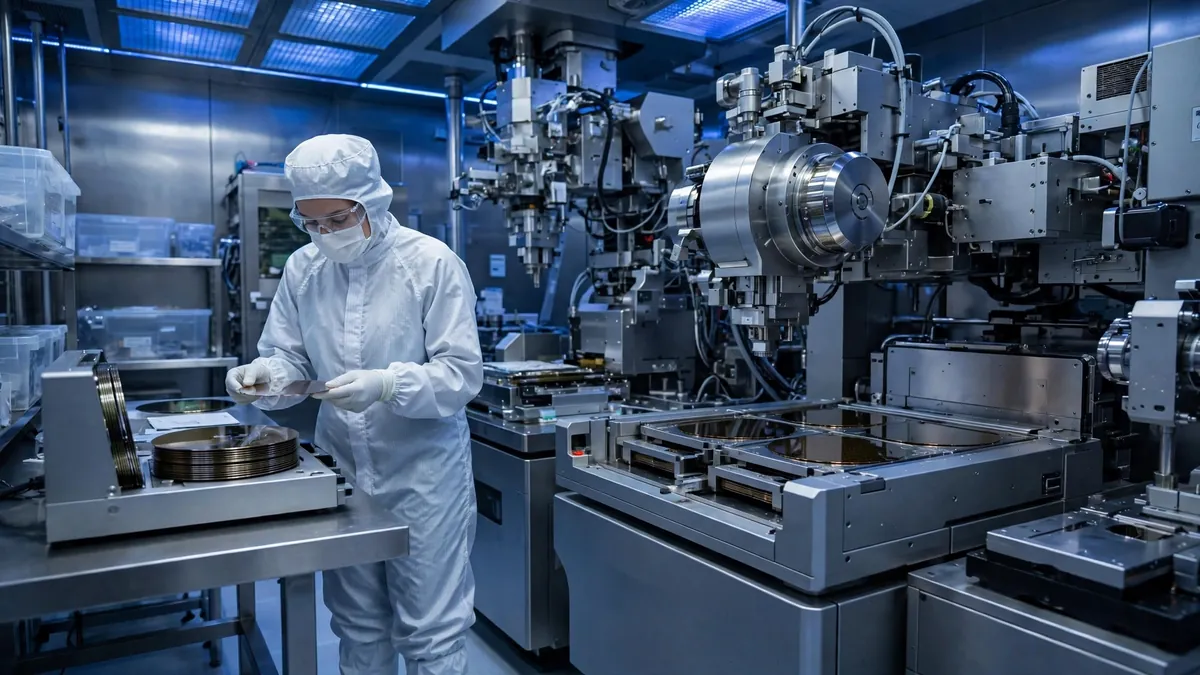
Activated Alumina for Pharmaceutical Process Air: GMP, FDA 21 CFR Part 211 Moisture Control, and Validation Protocol
Engineering guide to activated alumina pharmaceutical process air gmp. Covers the underlying chemistry, grade-by-grade numerical comparison, dosing and…
Read Article →Activated Alumina in Ammonia Cracking for Hydrogen Carriers: Residual NH3 Slip Below 0.1 ppm - AluminaWorld
Activated Alumina in Ammonia Cracking for Hydrogen Carriers: Residual NH3 Slip Below 0.1 ppm - AluminaWorld — COA numbers, dosage across service…
Read Article →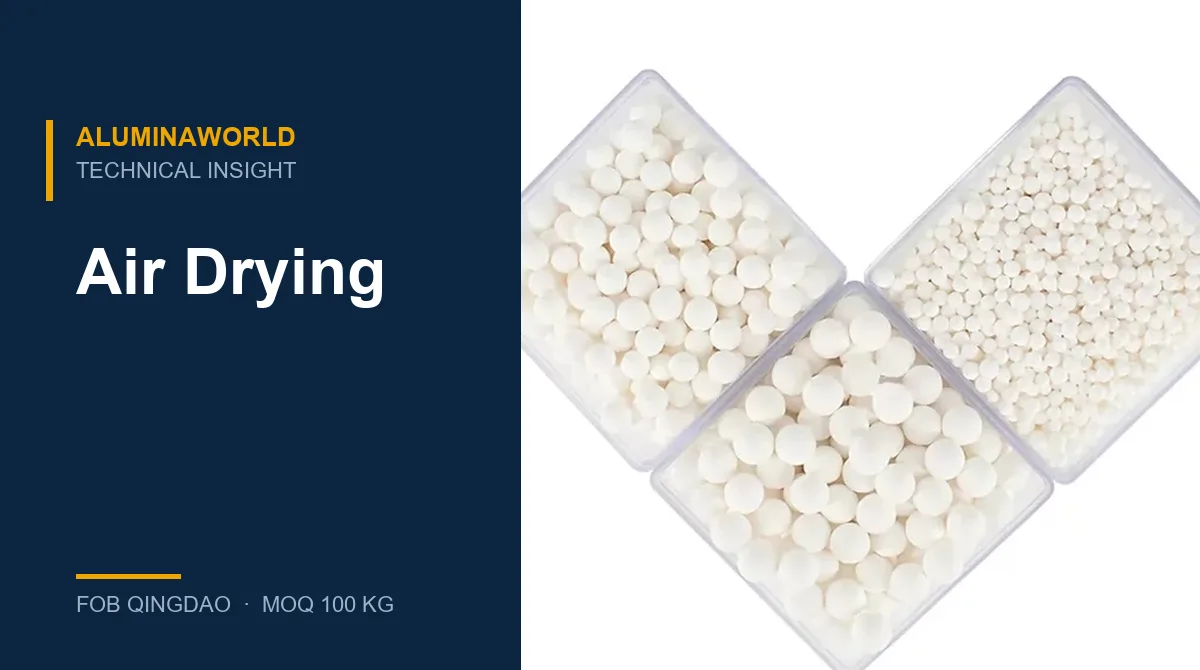
Activated Alumina vs Molecular Sieve for Compressed Air Drying: Break-Even Pressure Dew Point, ISO 8573 Compliance, and 7-Year TCO
Activated Alumina vs Molecular Sieve for Compressed Air Drying: Break-Even Pressure Dew Point, ISO 8573 Compliance, and 7-Year TCO — COA numbers, dosage…
Read Article →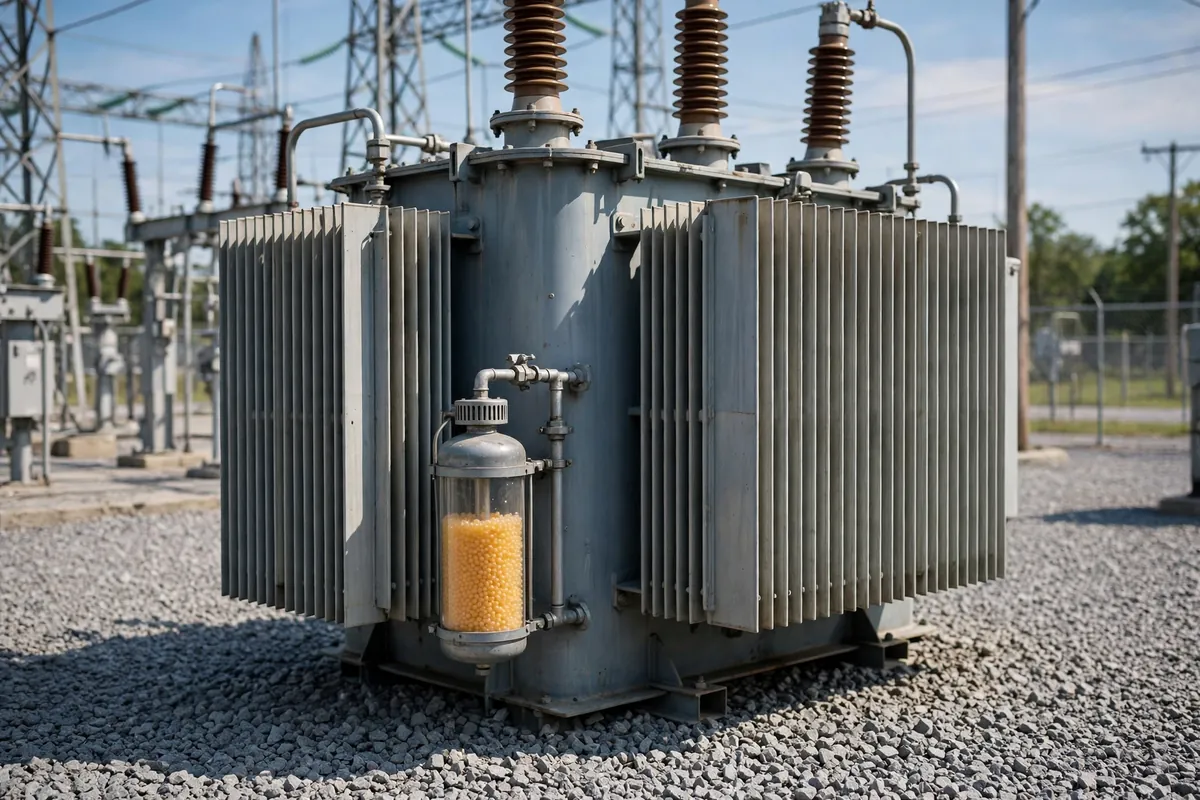
Activated Alumina vs Silica Gel for Transformer Breathers: 5-Year Field Test
Engineering guide to activated alumina vs silica gel transformer. Covers the underlying chemistry, grade-by-grade numerical comparison, dosing and cycle…
Read Article →