Notes on media & materials.
Short, practical articles — each one answers a question our customers actually ask. If your question isn't here, email us; it may become the next article.
Molecular Sieve Iron Sulfide Deposition from Sour Gas: Passivation Chemistry and Replacement Cycle | AluminaWorld
Engineering guide to iron sulfide (FeS, FeS_2) deposition on 4A molecular sieve beds in sour natural gas service: H2S-iron scale chemistry, passivation…
Read Article →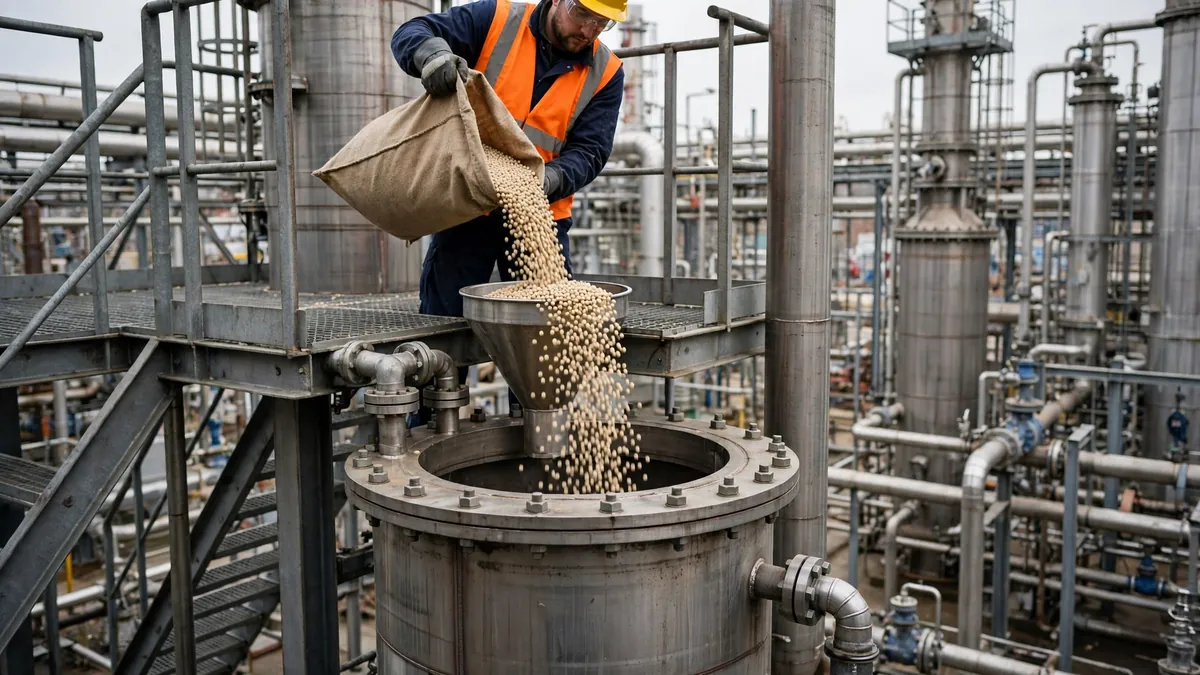
Molecular Sieve Dusting Downstream of a Dryer: Filter DP Trending and Screen Mesh Selection - AluminaWorld
Seven ranked root causes for creeping regeneration cycle time on molecular sieve and activated alumina dryers: feed-moisture rise, desiccant ageing,…
Read Article →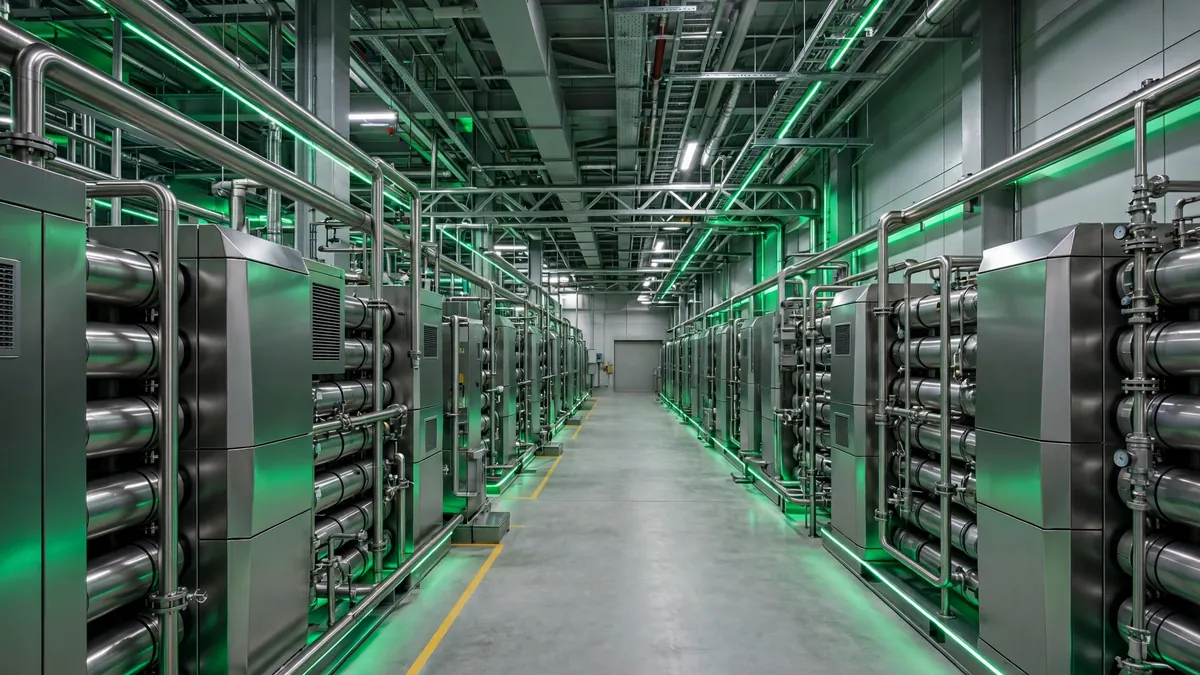
Molecular Sieve Drying for Green Hydrogen Electrolyzer Output: -70 degC Dew Point Spec and Deoxo Bed Integration
Engineering specification for molecular sieve drying trains downstream of PEM and alkaline water electrolyzers. -70 degC pressure dew point, ISO 14687…
Read Article →
Molecular Sieve 4A vs TEG (Triethylene Glycol) Dehydration for Natural Gas — 10 Year TCO Comparison | AluminaWorld
Molecular Sieve 4A and TEG (triethylene glycol) are the two main technologies for natural gas dehydration at pipeline spec (-40°C dew point). Compare…
Read Article →
Molecular Sieve 13X for Direct Air Capture (DAC): CO2 Working Capacity at 415 ppm vs Amine Sorbents - AluminaWorld
How molecular sieve 13X adsorbs CO2 from 415 ppm atmospheric feed in direct air capture (DAC) contactors: working capacity vs monoethanolamine (MEA) and…
Read Article →
Mercury Intrusion vs Nitrogen Sorption for Catalyst Carrier Pore Analysis: When Each Lies | AluminaWorld
Procurement-engineer guide to mercury intrusion porosimetry (MIP) vs nitrogen sorption BJH/DFT for catalyst carrier pore analysis. Why the two methods…
Read Article →
MOQ Negotiation Tactics for Industrial Adsorbent: Why 18 MT Beats 25 MT for Some Buyers and 25 MT for Others
MOQ negotiation guide for buyers of molecular sieve and activated alumina: how to tell whether an 18 MT or 25 MT order is cheaper, the three cost drivers…
Read Article →
Loss on Ignition (LOI) vs Loss on Drying (LOD): The Spec Ambiguity That Causes Most Claims | AluminaWorld
Procurement-engineer guide to LOI and LOD on industrial adsorbents and alumina powders: why the two numbers cannot be substituted, the 4 reasons the spec…
Read Article →
Lithium Battery Electrode Coating Oven Solvent Recovery: Activated Alumina vs 3A vs 4A for NMP, DMF and Ethanol
Electrode coating oven solvent recovery guide: activated alumina for bulk NMP and DMF loading in the exhaust stage, 3A molecular sieve for water polishing…
Read Article →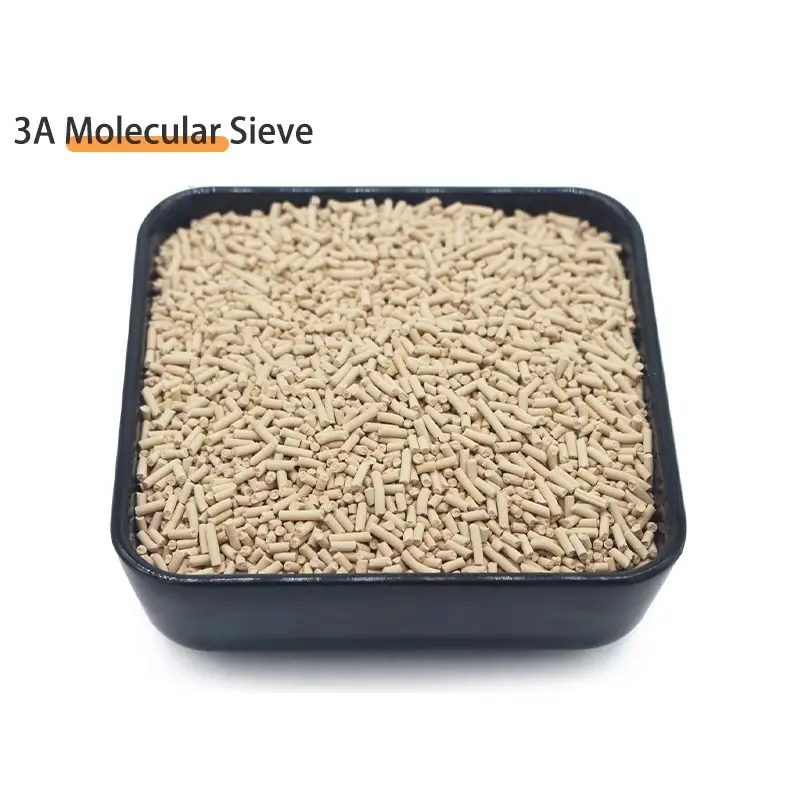
Liquid Hydrogen (LH2) Zeolite Pre-Drying: ISO 21010 Boil-Off Minimization and 13X Loading Targets
Engineering guide to LH2 pre-drying with 13X molecular sieve. Covers ISO 21010 and EIGA IGC 121/14 outlet targets, working capacity at -10 to -30 deg C,…
Read Article →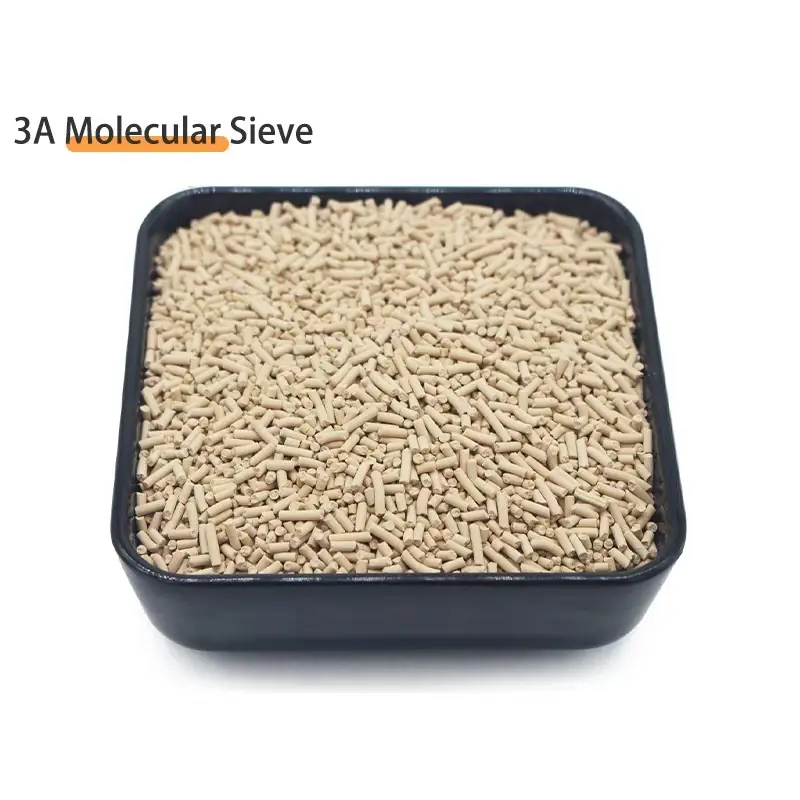
Li-Ion Battery Dryroom Desiccant: 3A vs 4A Molecular Sieve Selection for Dew Point Below -60 deg C
Engineering guide to 3A vs 4A molecular sieve selection for Li-ion battery dryrooms targeting -60 deg C dew point and below. Bed geometry, regeneration…
Read Article →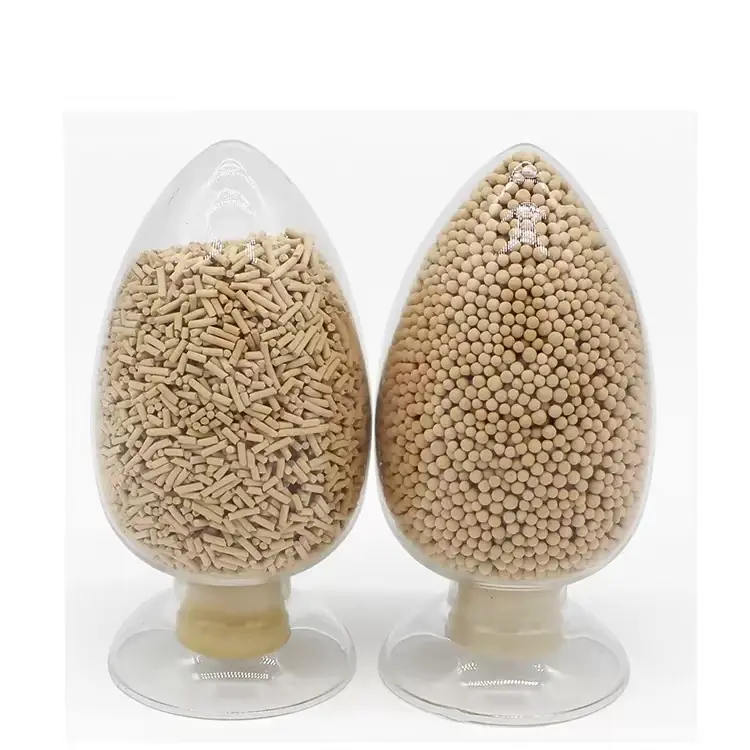
Letter of Credit (L/C) Documentation Discrepancies for Industrial Adsorbent Shipments: Top 7 Rejection Reasons
Letter of credit rejection guide for industrial adsorbent importers: the seven most common L/C discrepancies on molecular sieve and activated alumina…
Read Article →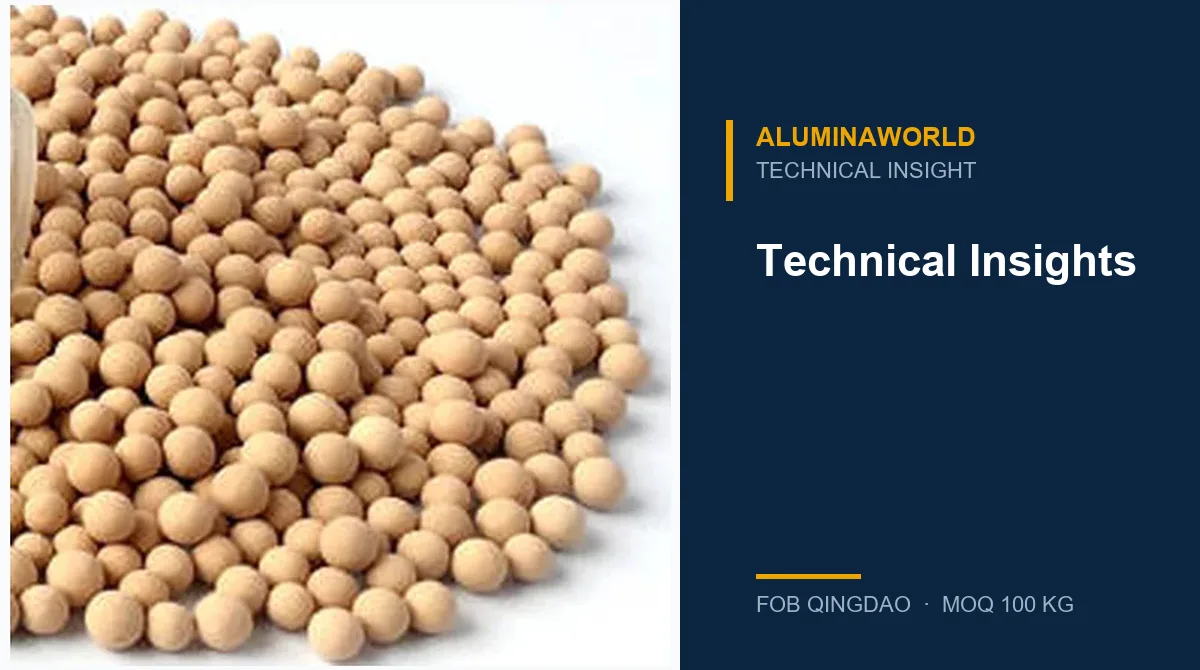
Industrial Adsorbent Procurement RFQ Checklist: 7 Metrics Every Buyer-Engineer Should Demand from Suppliers
Industrial adsorbent procurement RFQ checklist: 7 metrics (COA granularity, attrition index, BET vs pore volume, equilibrium capacity, regeneration…
Read Article →
ISO 9277 BET Surface Area vs single-Point Method: Why Two Labs Report Different m²/g | AluminaWorld
Procurement-engineer guide to ISO 9277 BET multi-point vs single-point surface area measurement on activated alumina, molecular sieves and…
Read Article →Hydrogen Refuelling Station Adsorbent Selection: SAE J2719 Grade D Compliance at 700 bar - AluminaWorld
How to specify molecular sieve and activated alumina beds for hydrogen refuelling stations to meet SAE J2719 / ISO 14687 Grade D purity, including 700 bar…
Read Article →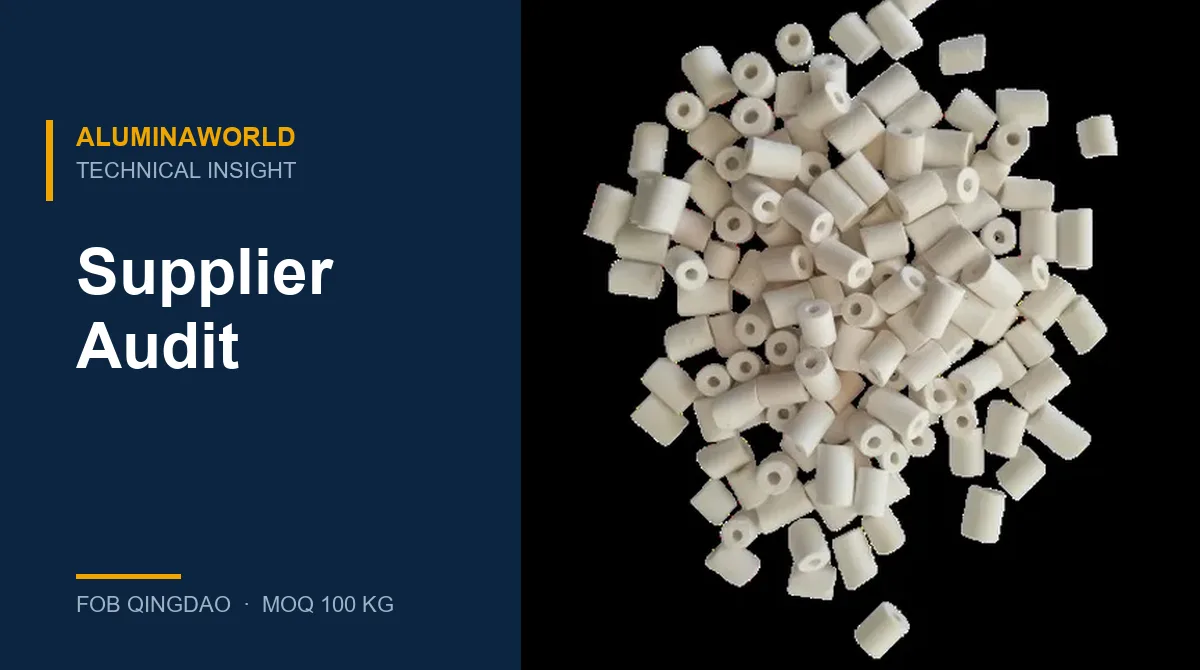
How to Audit an Adsorbent Supplier Remotely: 12 Documents to Request Before the First PO | AluminaWorld
Procurement-engineer guide to running a remote supplier audit on a Chinese or Asian adsorbent manufacturer. The 12 documents that close 80 percent of…
Read Article →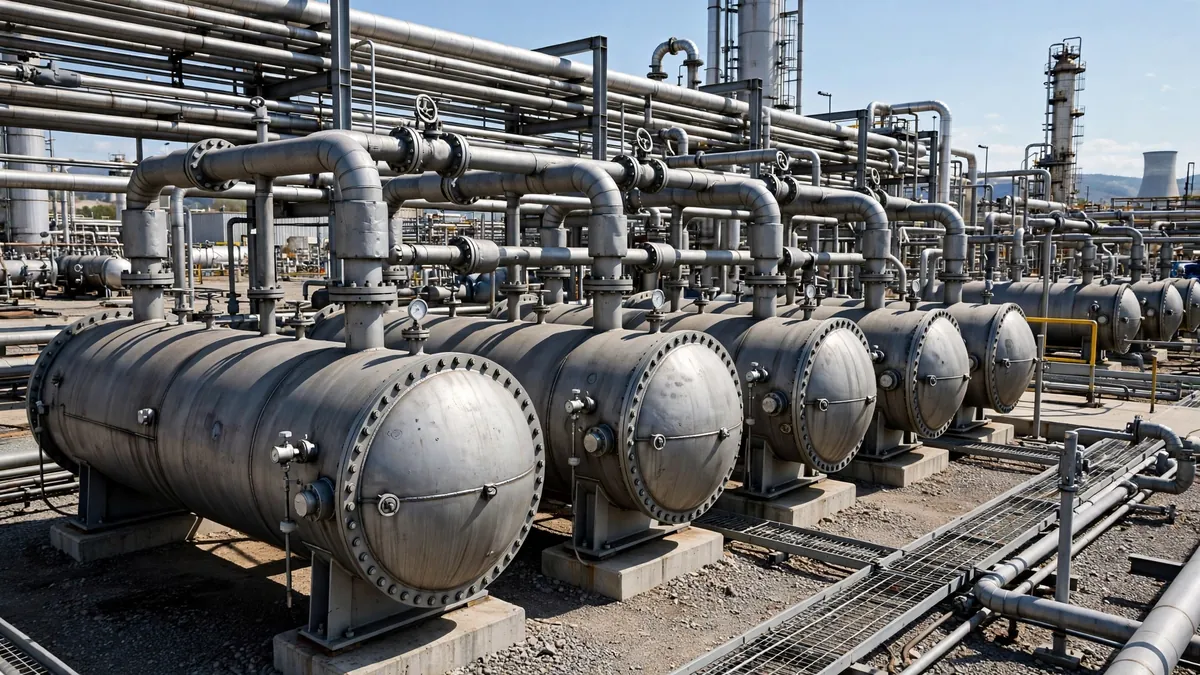
Heat Exchanger Sizing for Adsorbent Regeneration: LMTD Correction for Non-Ideal Gas Mixtures
Buyer-engineer guide to heat-exchanger sizing for molecular sieve and activated alumina regeneration loops: real-gas Cp correction, Joule-Thomson across…
Read Article →
Green Hydrogen Trailer Pre-Purification: Adsorbent Stack Selection for Trailers with <50 ppb Outlet Sulfur
Engineering guide to green hydrogen tube-trailer pre-purification adsorbent stack selection. Covers Cu/ZnO sulfur guard + activated alumina + 13X…
Read Article →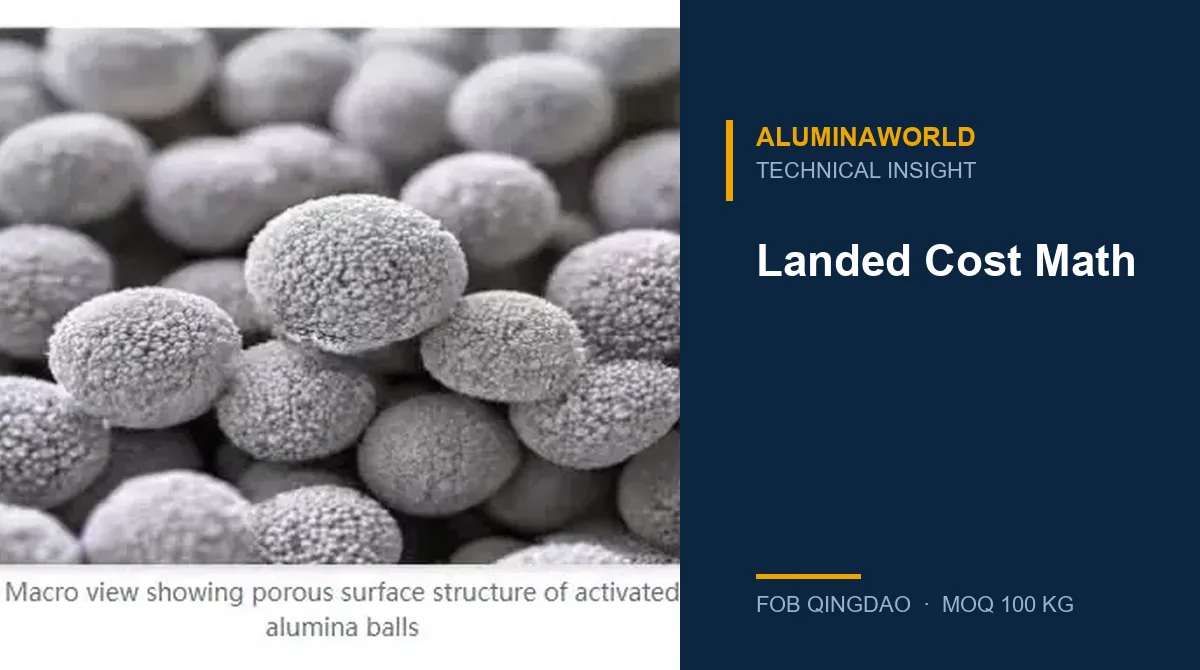
Freight vs Density: Why Bulk Density Decides Your Landed Cost per Kg of Adsorption Capacity - AluminaWorld
Two adsorbent drums with the same nominal capacity can carry very different freight cost per kg of working capacity. This procurement-engineering guide…
Read Article →
Direct Air Capture (DAC) Adsorbent Wheel Desiccant Cycle: Why Silica Gel Has Replaced Silica Gel and What Comes Next
Why silica-gel/lithium-chloride adsorbent wheels quietly replaced straight silica gel in third-generation Direct Air Capture (DAC) contactors, how the…
Read Article →
Desiccant Bed Channelling: How to Diagnose Maldistribution from Outlet Dew-Point Sawtooth Traces - AluminaWorld
Why a desiccant bed that is supposed to deliver -40 °C PDP suddenly ships -25 °C with sawtooth outlet traces: the four-channel failure mode (loading…
Read Article →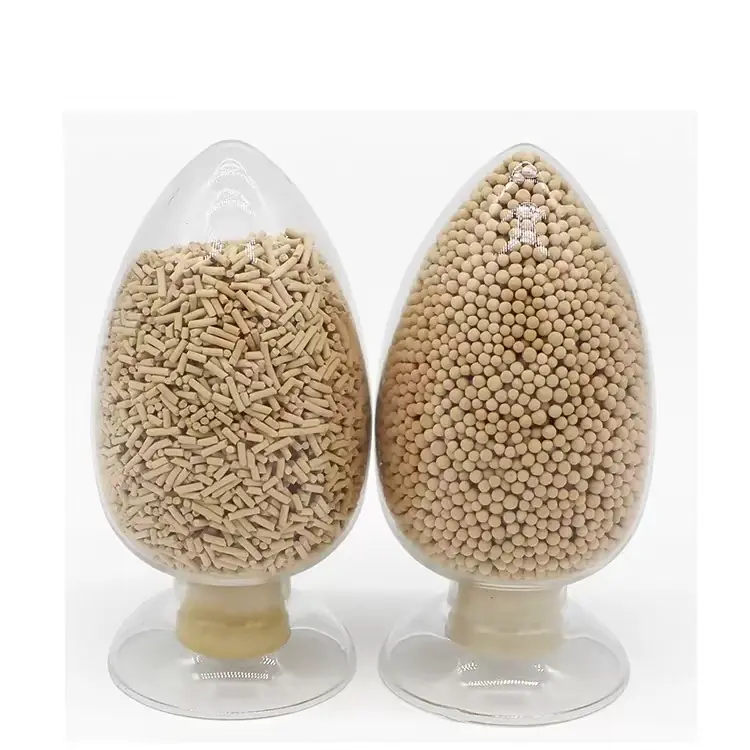
Color Change in Molecular Sieve: A Diagnostic Pathway for Pink, Brown and Black Beds
Molecular sieve discolouration diagnostic guide: pink, brown and black pellet mechanisms, four on-site checks, TGA/ICP-OES/XRD confirmation methods, ASTM…
Read Article →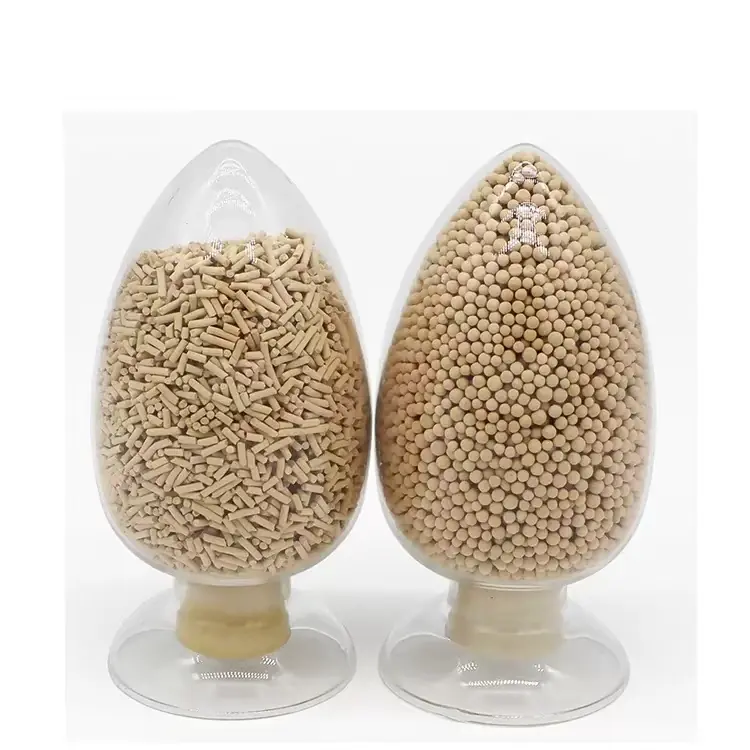
Carbon Capture Solvent Regeneration Column Molecular Sieve Polishing: MDEA-DEA Mixed Amine Carryover into 13X
How MDEA-DEA mixed amine carryover from an amine-based CO2 capture solvent regenerator poisons downstream 13X molecular sieve polishing beds, and the…
Read Article →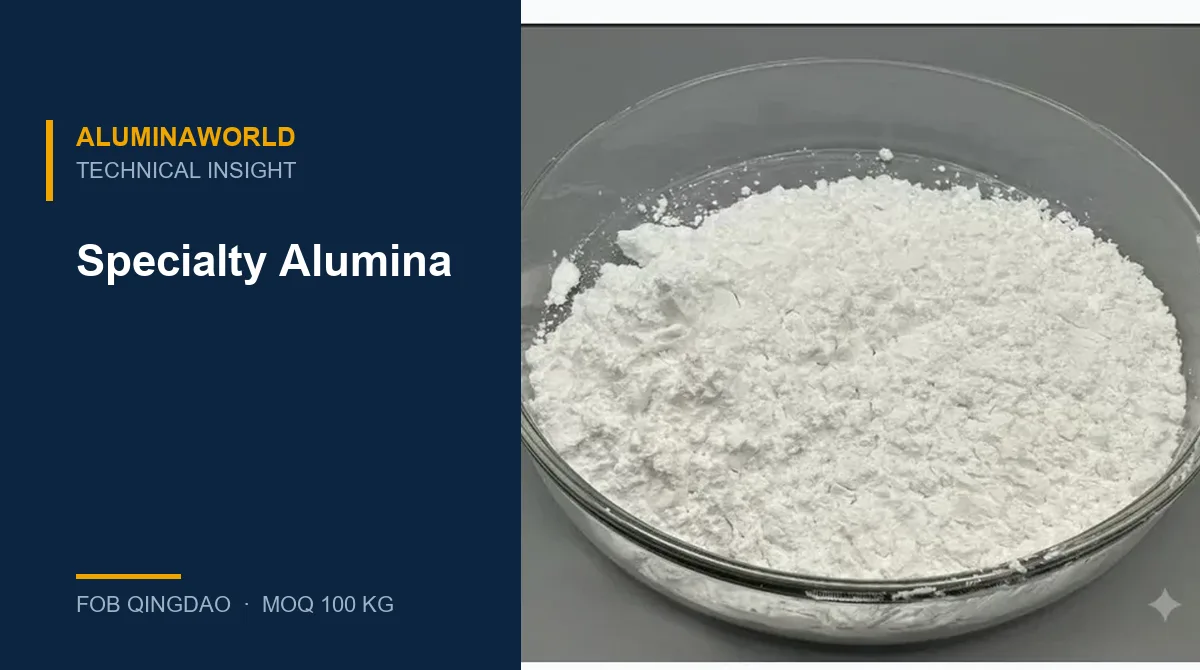
Calcined Alumina in LTCC / HTCC Ceramic Substrates: Sintering Shrinkage Control Within +/-0.2% - AluminaWorld
How calcined alumina (Al2O3) is formulated into low-temperature co-fired ceramic (LTCC) and high-temperature co-fired ceramic (HTCC) substrates, covering…
Read Article →