Molecular Sieve Articles.
Selection, regeneration and troubleshooting guides for 3A, 4A, 5A and 13X molecular sieves.
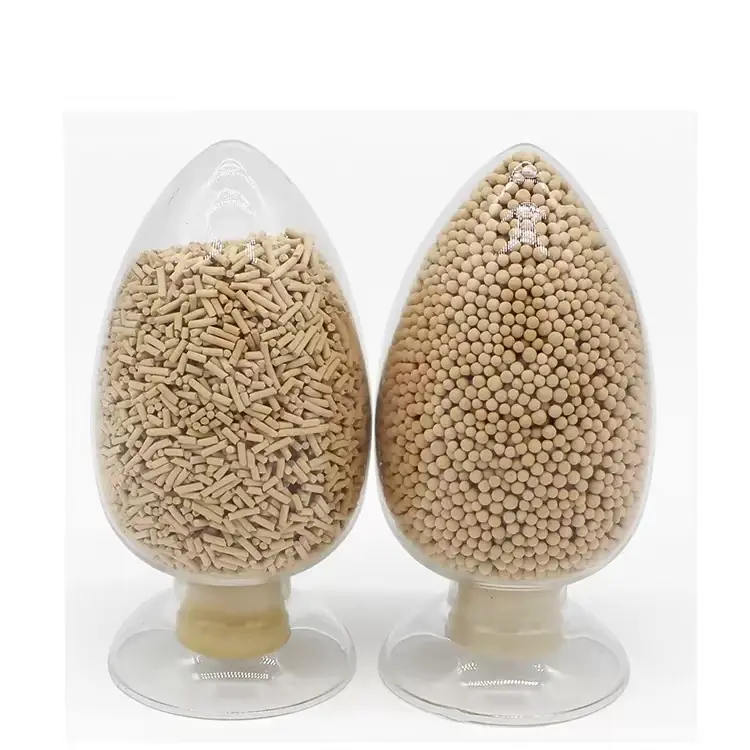
Pre-Shipment Inspection (PSI) Scope for Molecular Sieve: ASTM E105 Sampling Plan and ISO 2859-1 Pass/Fail Rules
Pre-shipment inspection guide for industrial adsorbent importers: how to write a PSI scope for molecular sieve and activated alumina shipments,…
Read Article →
Photovoltaic Polysilicon Production: TCSS Trichlorosilane Dryer with 3A Sieve and Iron Carryover Pitfalls
Engineering guide to TCSS trichlorosilane drying in polysilicon plants: why 3A molecular sieve (K-LTA, 3 A pore) is the correct adsorbent over 4A, 5A, 13X…
Read Article →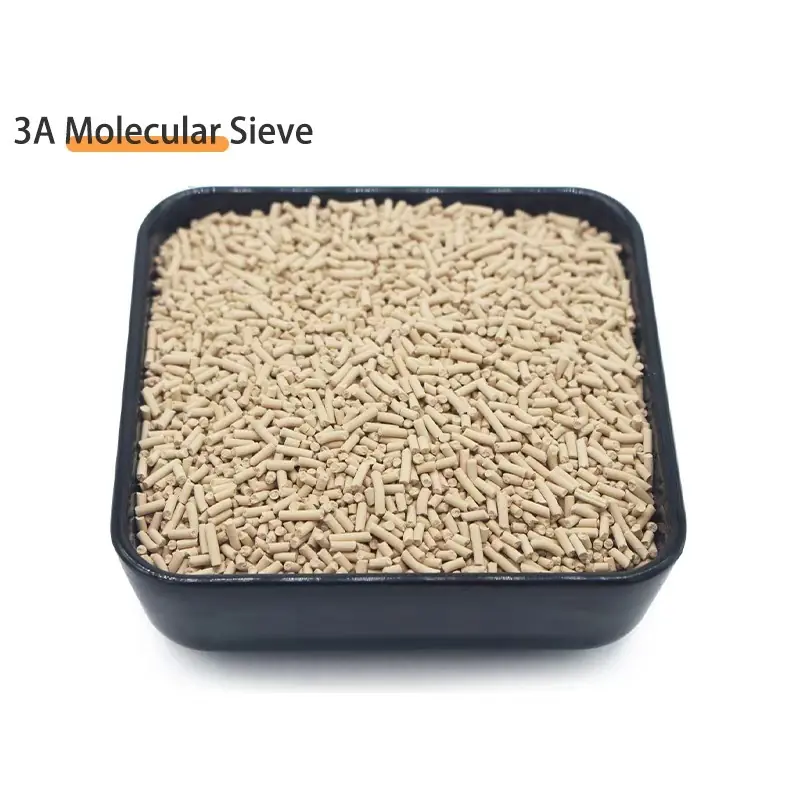
Molecular Sieve Iron Sulfide Deposition from Sour Gas: Passivation Chemistry and Replacement Cycle | AluminaWorld
Engineering guide to iron sulfide (FeS, FeS_2) deposition on 4A molecular sieve beds in sour natural gas service: H2S-iron scale chemistry, passivation…
Read Article →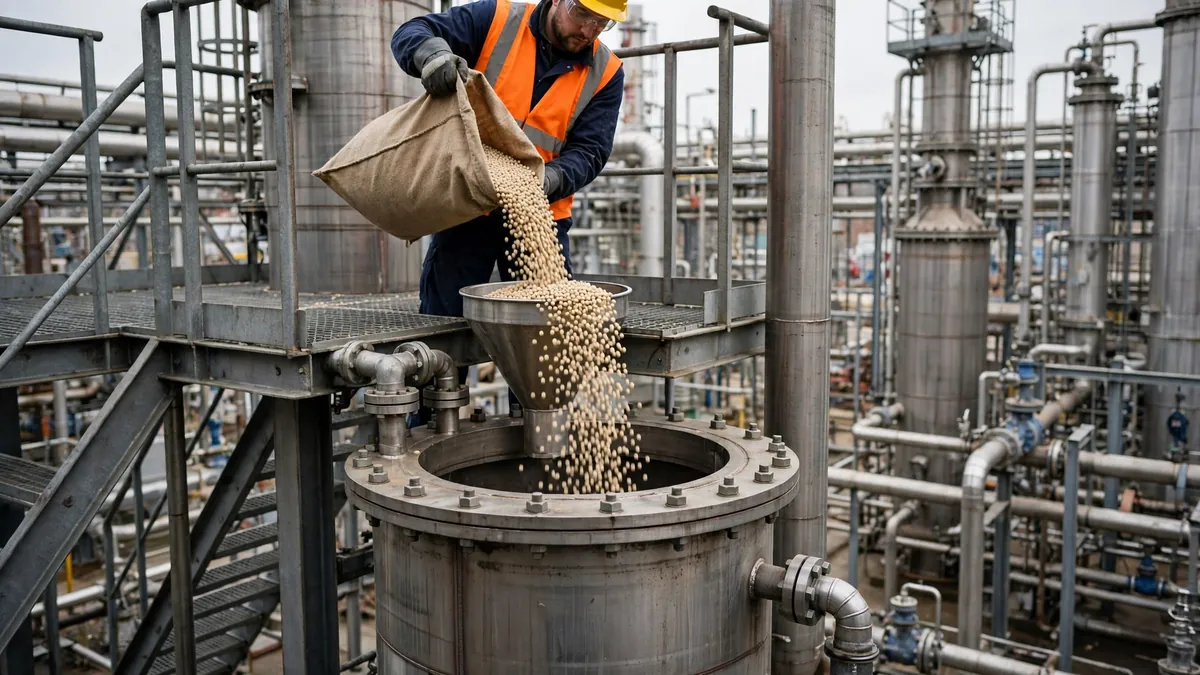
Molecular Sieve Dusting Downstream of a Dryer: Filter DP Trending and Screen Mesh Selection - AluminaWorld
Seven ranked root causes for creeping regeneration cycle time on molecular sieve and activated alumina dryers: feed-moisture rise, desiccant ageing,…
Read Article →
Molecular Sieve Drying for Green Hydrogen Electrolyzer Output: -70 degC Dew Point Spec and Deoxo Bed Integration
Engineering specification for molecular sieve drying trains downstream of PEM and alkaline water electrolyzers. -70 degC pressure dew point, ISO 14687…
Read Article →
Molecular Sieve 4A vs TEG (Triethylene Glycol) Dehydration for Natural Gas — 10 Year TCO Comparison | AluminaWorld
Molecular Sieve 4A and TEG (triethylene glycol) are the two main technologies for natural gas dehydration at pipeline spec (-40°C dew point). Compare…
Read Article →
Molecular Sieve 13X for Direct Air Capture (DAC): CO2 Working Capacity at 415 ppm vs Amine Sorbents - AluminaWorld
How molecular sieve 13X adsorbs CO2 from 415 ppm atmospheric feed in direct air capture (DAC) contactors: working capacity vs monoethanolamine (MEA) and…
Read Article →
Lithium Battery Electrode Coating Oven Solvent Recovery: Activated Alumina vs 3A vs 4A for NMP, DMF and Ethanol
Electrode coating oven solvent recovery guide: activated alumina for bulk NMP and DMF loading in the exhaust stage, 3A molecular sieve for water polishing…
Read Article →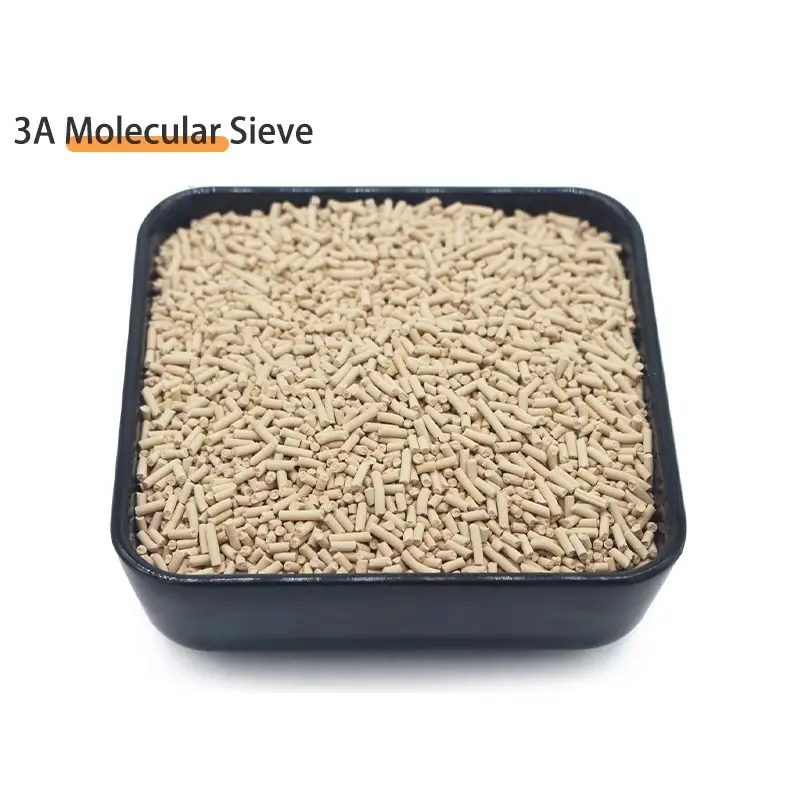
Liquid Hydrogen (LH2) Zeolite Pre-Drying: ISO 21010 Boil-Off Minimization and 13X Loading Targets
Engineering guide to LH2 pre-drying with 13X molecular sieve. Covers ISO 21010 and EIGA IGC 121/14 outlet targets, working capacity at -10 to -30 deg C,…
Read Article →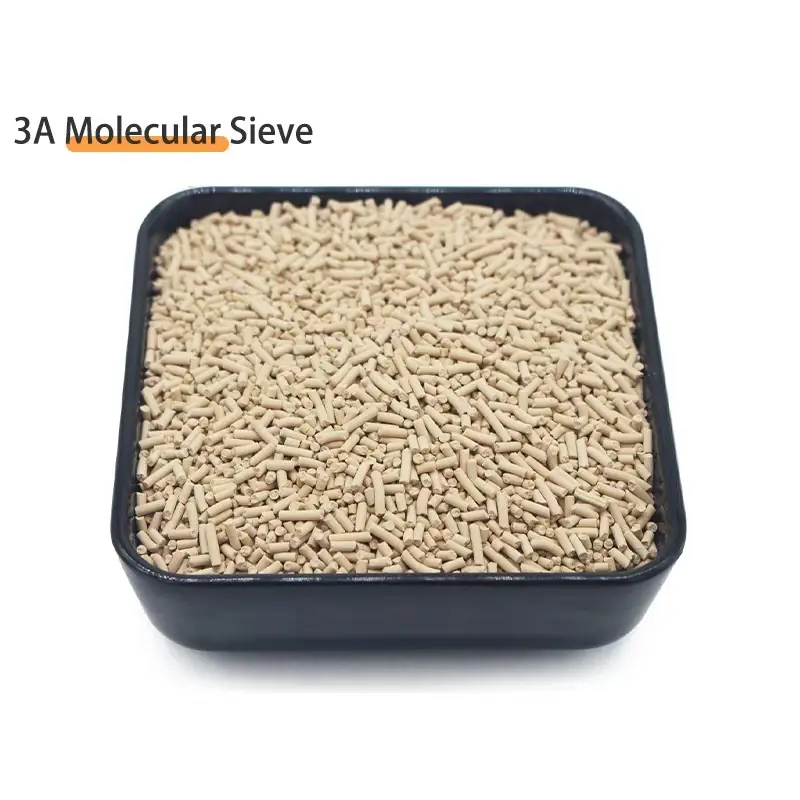
Li-Ion Battery Dryroom Desiccant: 3A vs 4A Molecular Sieve Selection for Dew Point Below -60 deg C
Engineering guide to 3A vs 4A molecular sieve selection for Li-ion battery dryrooms targeting -60 deg C dew point and below. Bed geometry, regeneration…
Read Article →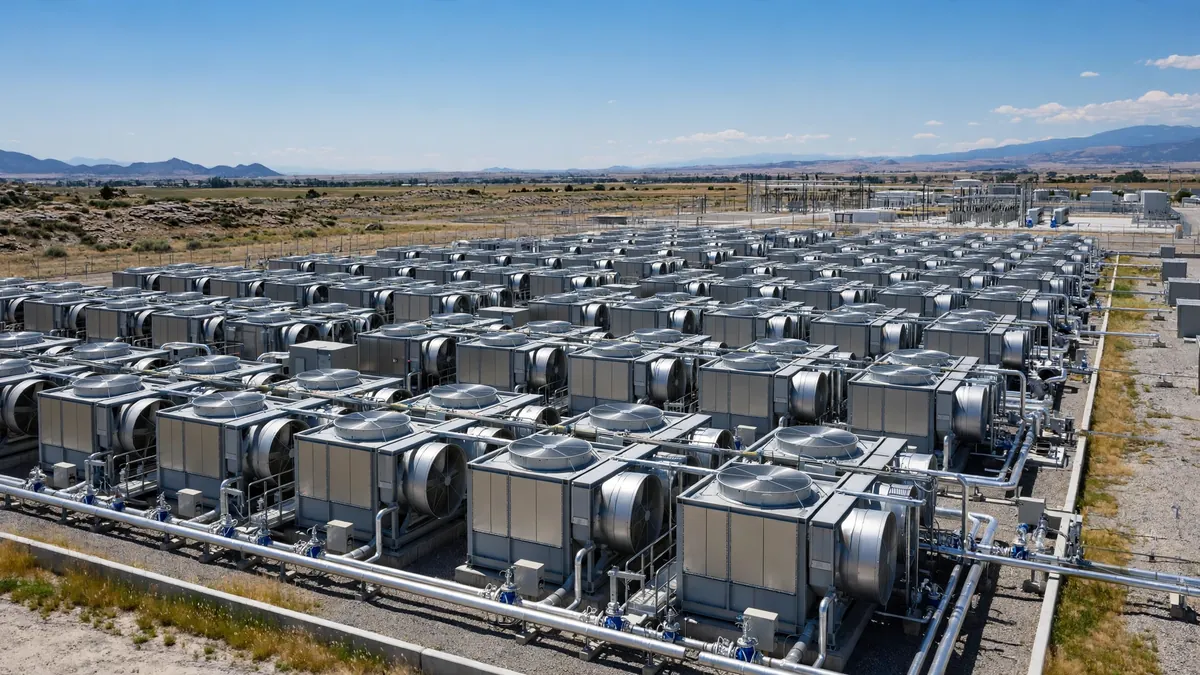
Direct Air Capture (DAC) Adsorbent Wheel Desiccant Cycle: Why Silica Gel Has Replaced Silica Gel and What Comes Next
Why silica-gel/lithium-chloride adsorbent wheels quietly replaced straight silica gel in third-generation Direct Air Capture (DAC) contactors, how the…
Read Article →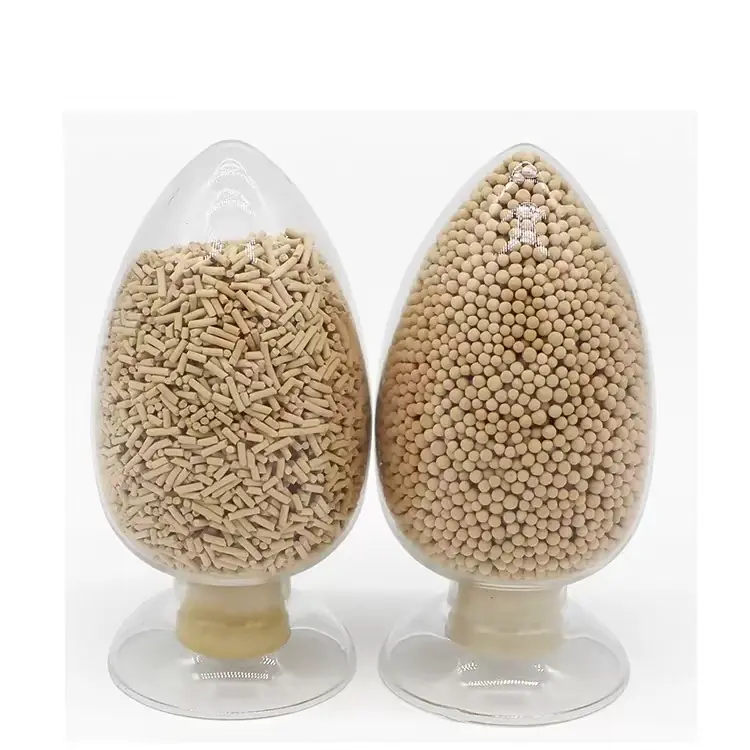
Color Change in Molecular Sieve: A Diagnostic Pathway for Pink, Brown and Black Beds
Molecular sieve discolouration diagnostic guide: pink, brown and black pellet mechanisms, four on-site checks, TGA/ICP-OES/XRD confirmation methods, ASTM…
Read Article →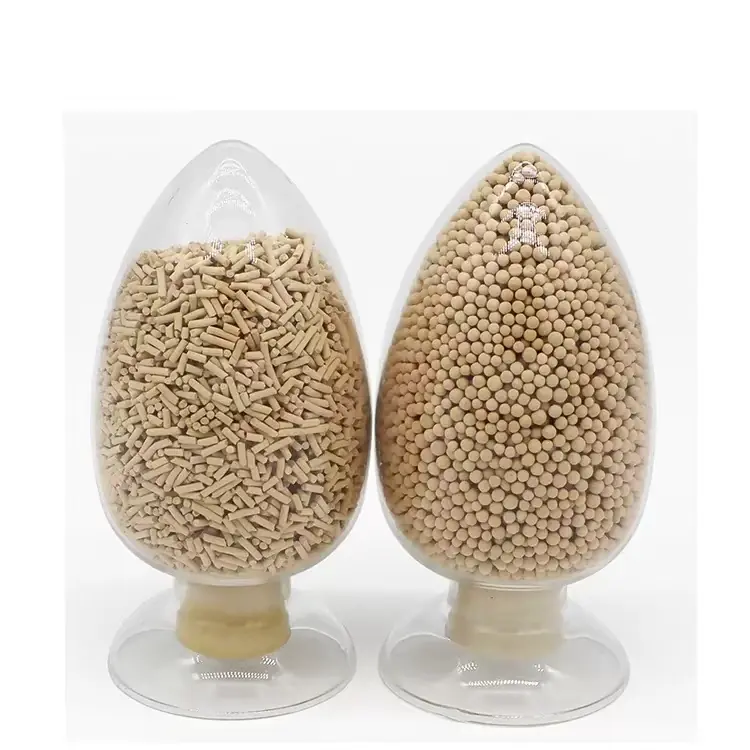
Carbon Capture Solvent Regeneration Column Molecular Sieve Polishing: MDEA-DEA Mixed Amine Carryover into 13X
How MDEA-DEA mixed amine carryover from an amine-based CO2 capture solvent regenerator poisons downstream 13X molecular sieve polishing beds, and the…
Read Article →
Battery Cell Dry Room Oxygen Sensor Calibration: How a Molecular Sieve Dryer Failure Silently Raises Your O2 Reading Drift
Practical engineering guide to battery dry room oxygen sensor calibration: why a failing molecular sieve bed raises O2 reading drift while dew point stays…
Read Article →
13X vs 5A Molecular Sieve for Medical Air Drying: Dew Point, CO2 Control, and Safe Bed Design
Engineering comparison of 13X vs 5A molecular sieve for medical air drying: pressure dew point, CO2 control, layered bed design, sizing, standards,…
Read Article →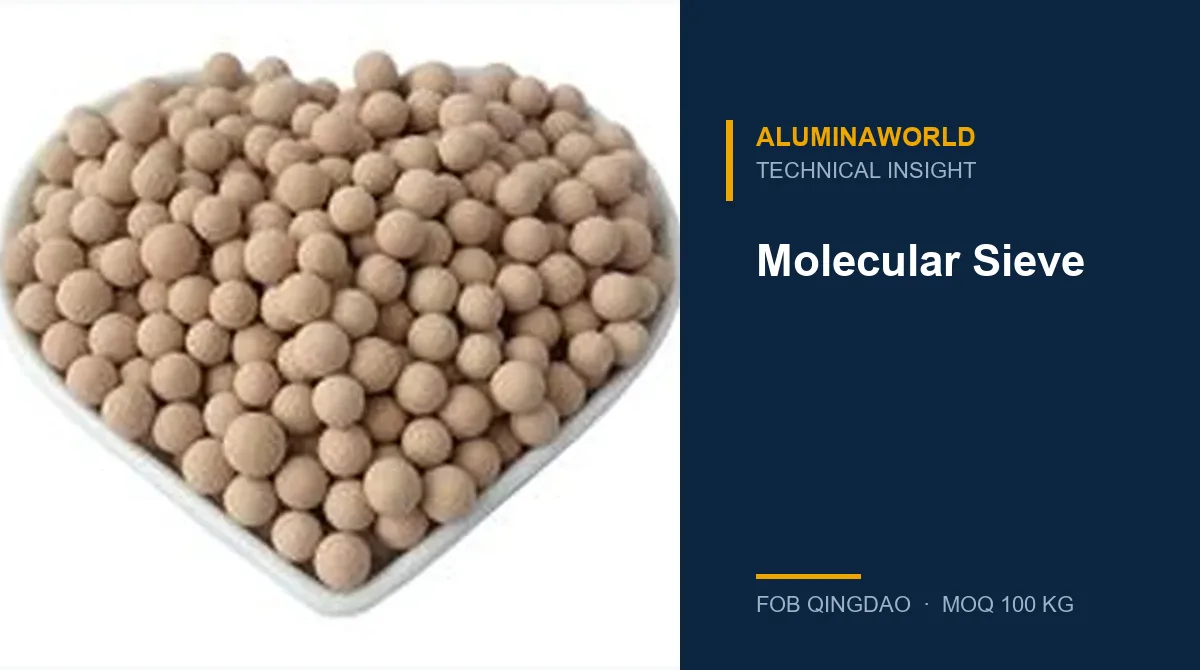
Molecular Sieve 5A for Hydrogen PSA: 99.99% Purity, Tail Gas Recycle, and Bed Design
Engineering guide to 5A molecular sieve for hydrogen PSA: 99.99% H2 purity, 70-85% recovery, 2-bed to 10-bed cycle design, tail gas recycle economics,…
Read Article →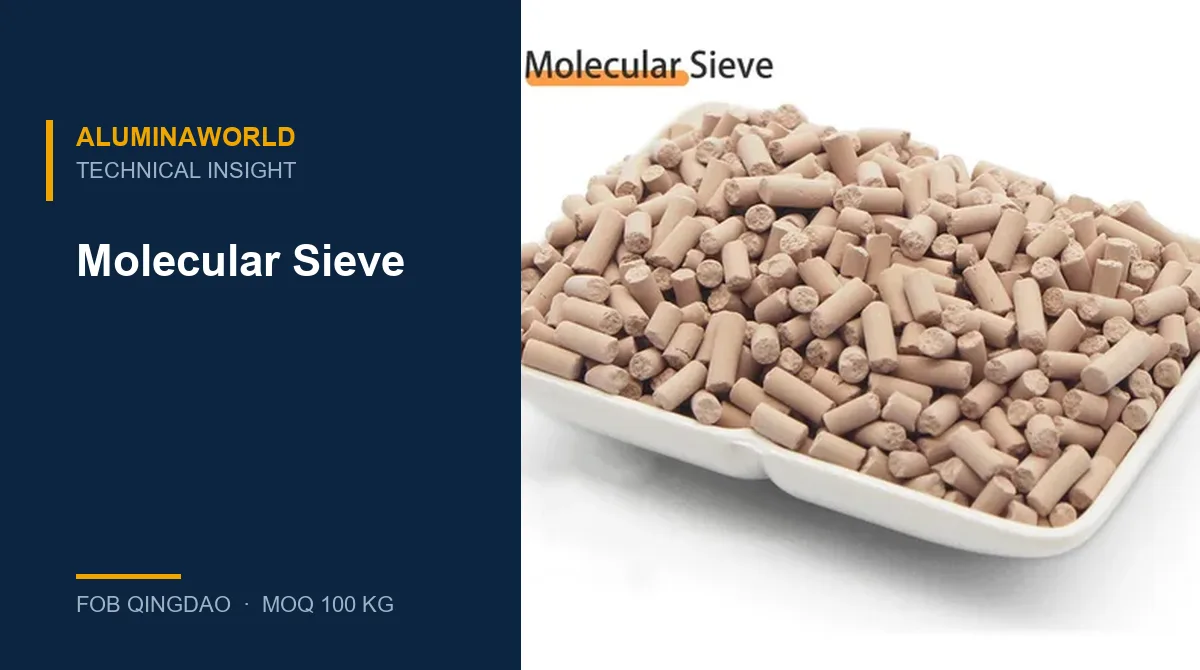
Molecular Sieve 4A for CNG Compressor Station and NGV Refueling Drying: ISO 15403 and GB 18047 Compliance Engineering Guide | Aluminaworld
Engineering guide to molecular sieve 4A for CNG mother and daughter stations, NGV refueling compressors, and LNG vehicle satellite fueling: ISO 15403-1…
Read Article →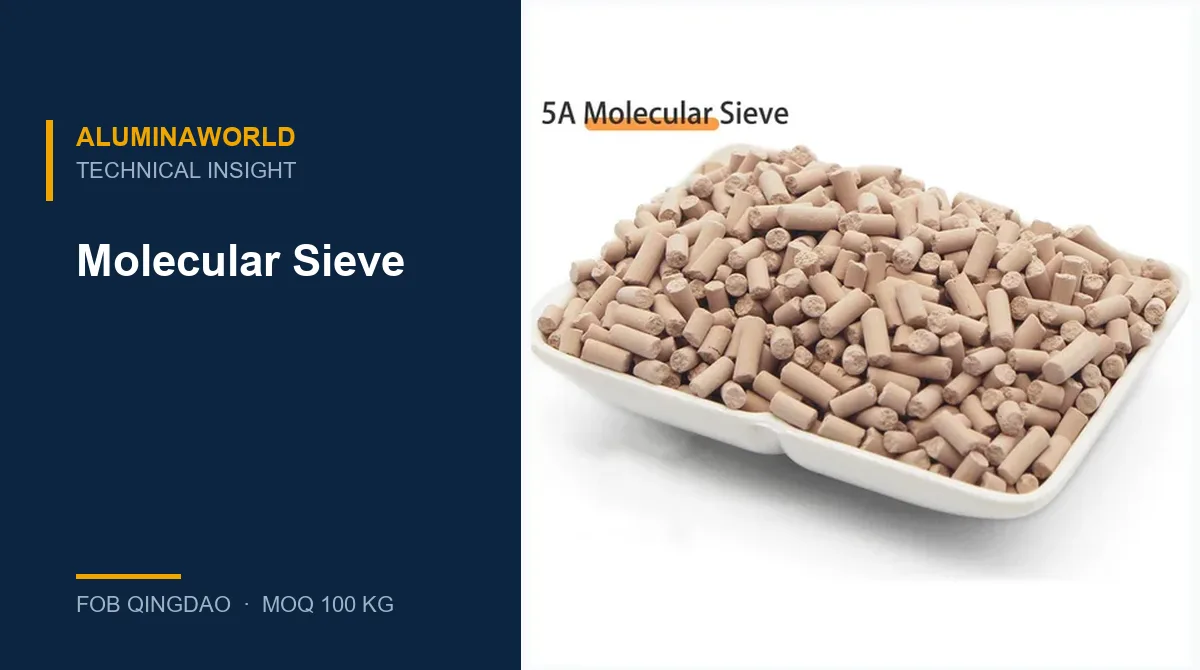
Molecular Sieve 4A for Natural Gas Pipeline Dew Point Control: Joule-Thomson Cooling, Hydrate Prevention, and ISO 18453 Compliance
Engineering guide to molecular sieve 4A for natural gas pipeline dew-point control: Joule-Thomson cooling at 1.5 km depth, hydrate formation curves, ISO…
Read Article →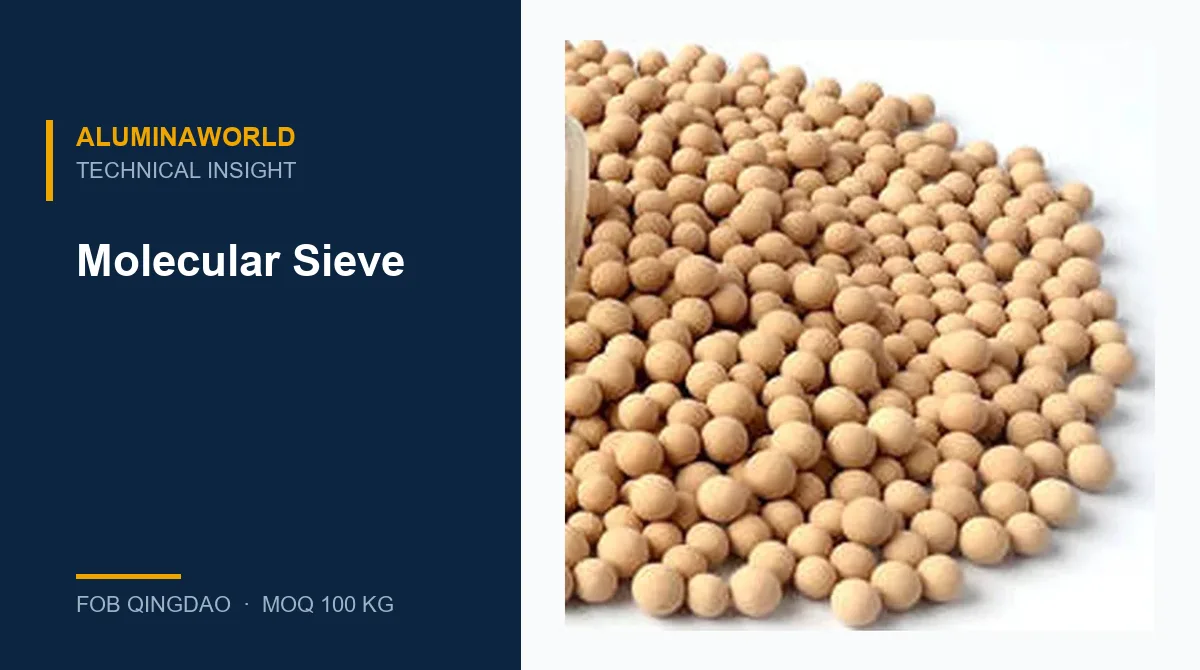
Molecular Sieve 5A for n-Paraffin / iso-Paraffin Separation (MOLSIV): UOP Molex Process Engineering Data | Aluminaworld
Molecular sieve 5A is the only commercial adsorbent that separates linear n-paraffins (C10 to C20) from branched iso-paraffins, naphthenes, and aromatics…
Read Article →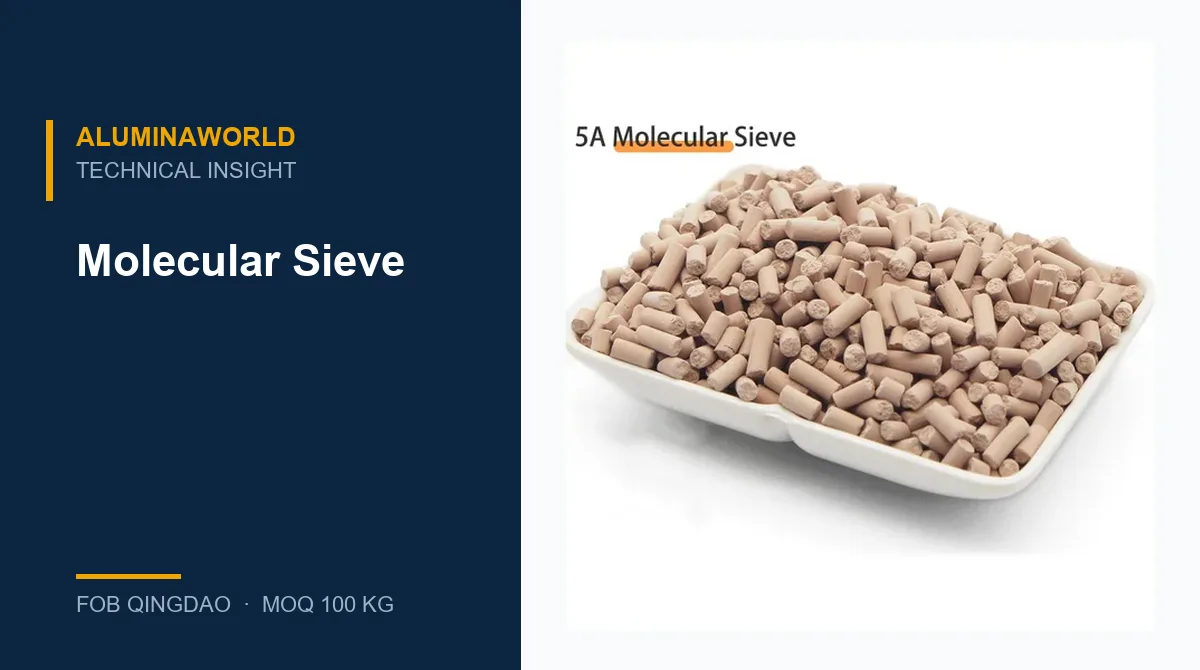
Molecular Sieve 13X for Cryogenic Air Separation Pre-Purification: How CO2, H2O, and C2+ Hydrocarbons Are Removed Before the Cold Box
Every cryogenic air separation unit (ASU) — from a 200 tpd merchant oxygen plant to a 5,000 tpd integrated gasification combined-cycle (IGCC)…
Read Article →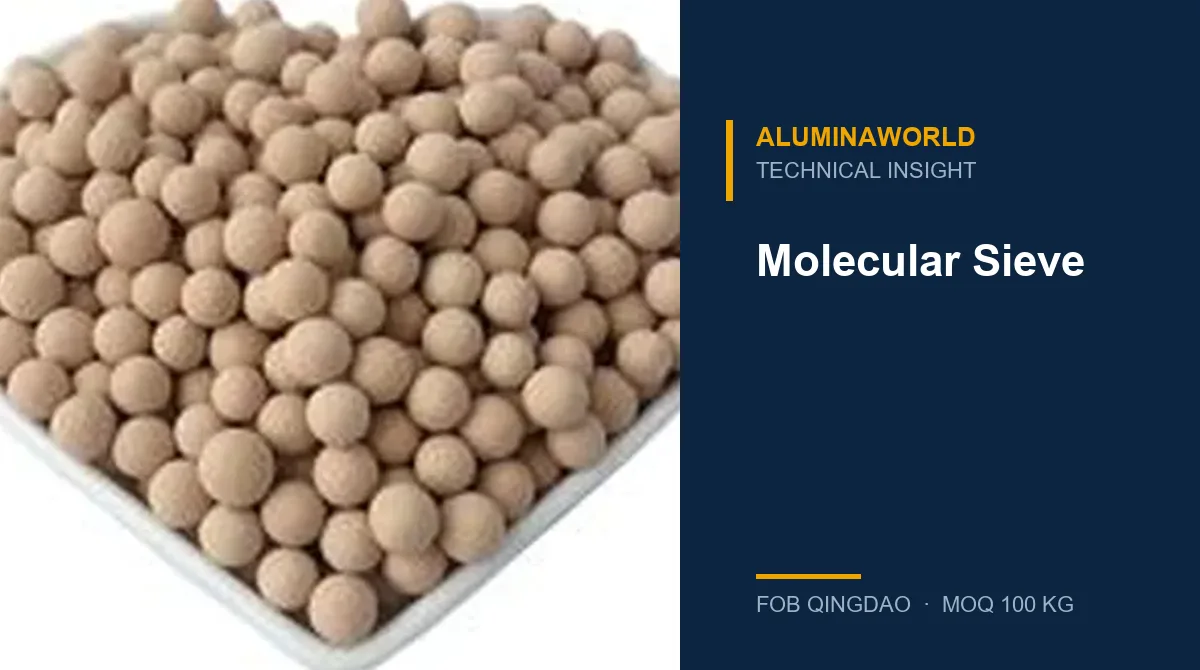
13X Molecular Sieve for Industrial Air Separation Unit (ASU) Pre-Purification: CO2, H2O, C2+ Removal Before Cold Box
Every cryogenic air separation unit (ASU) starts with a pre-purification vessel packed with molecular sieve 13X. This guide explains how 13X strips CO2,…
Read Article →Molecular Sieve Storage and Handling: 7 Mistakes That Cost You 30% Capacity
Engineering guide to molecular sieve storage and handling: 7 common mistakes that quietly destroy 30 percent of working capacity before the sieve ever…
Read Article →Molecular Sieve 4A vs 3A for Polyol and Polyurethane Drying: Viscosity Impact, Breakthrough Time, and Reactivation Cost
Engineering guide to polyol drying with molecular sieves: 4A vs 3A pore size selection, breakthrough time and water capacity curves, viscosity and NCO…
Read Article →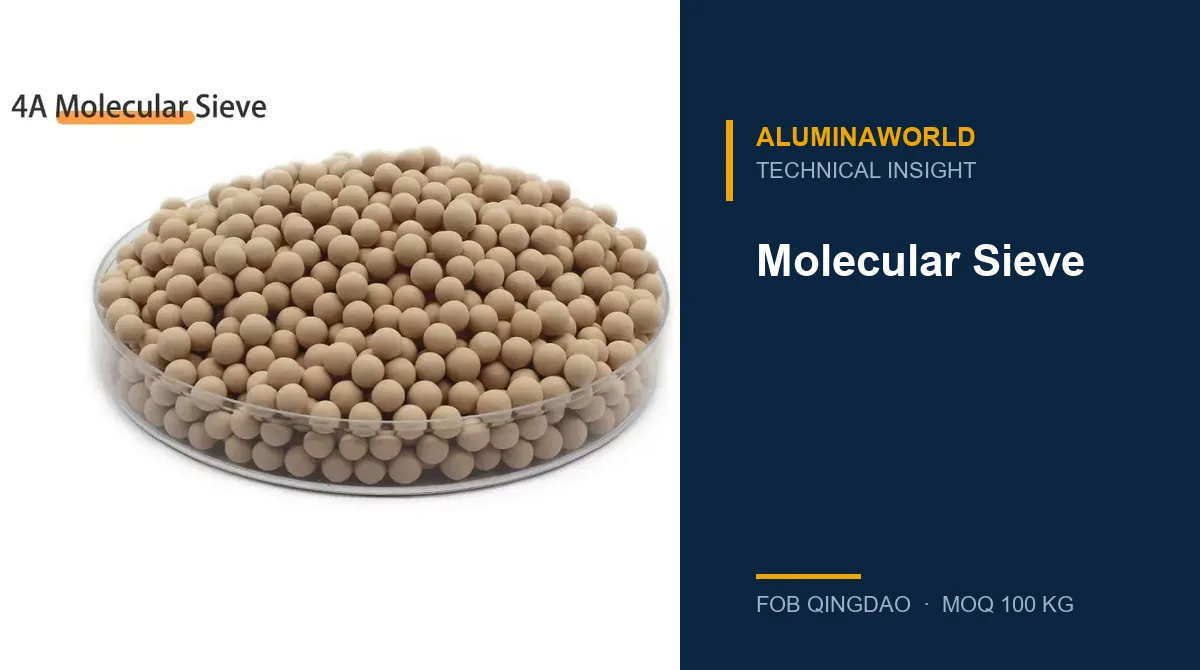
PSA Nitrogen Generation: CMS vs 5A Zeolite — Mass Balance, Purity, and TCO
Engineering comparison of PSA nitrogen generation using carbon molecular sieve (CMS) versus 5A zeolite. Air/material balance, purity air-factor curves,…
Read Article →