Molecular Sieve Articles.
Selection, regeneration and troubleshooting guides for 3A, 4A, 5A and 13X molecular sieves.
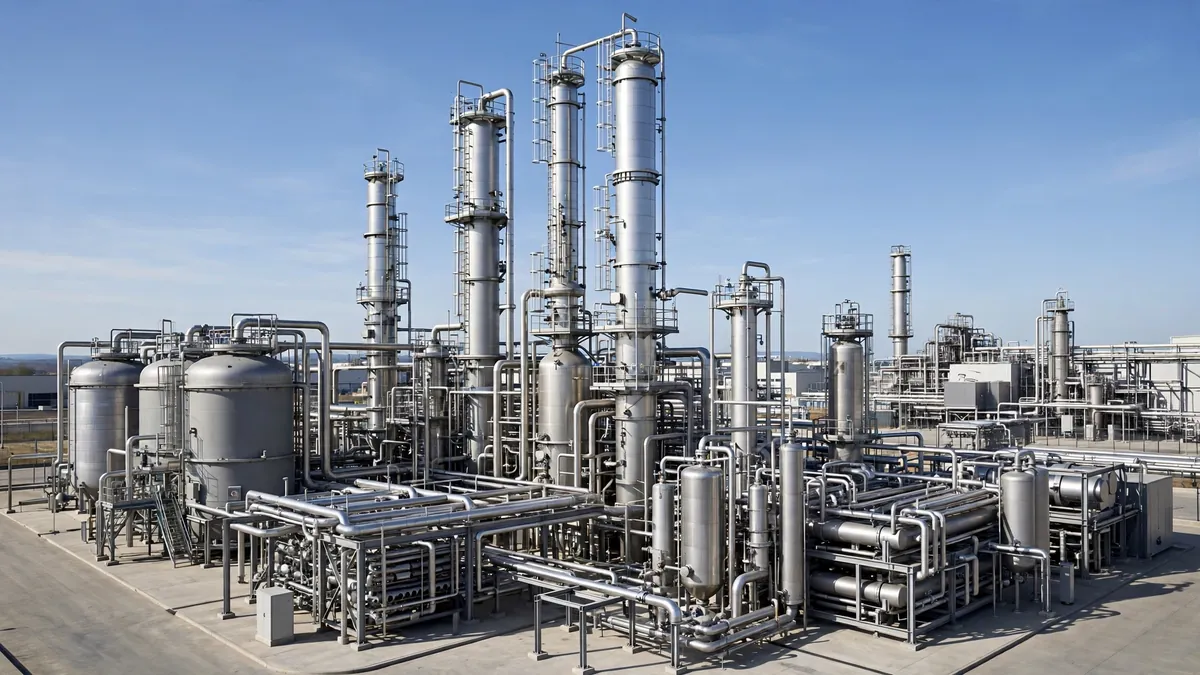
MCFC CO2 Removal: Activated Alumina vs Carbon Molecular Sieve for Molten Carbonate Fuel Cell Cathode Feed
A molten carbonate fuel cell (MCFC) operates at 600-650 deg C with a molten alkali-carbonate electrolyte (typically the Li2CO3-K2CO3 eutectic at 62-38…
Read Article →
Molecular Sieve 13X for Jet Fuel JP-8 Drying — Aviation Fuel Water Removal | AluminaWorld
Molecular Sieve 13X for Jet Fuel JP-8 Drying — Aviation Fuel Water Removal | AluminaWorld — COA numbers, dosage across service conditions, regeneration…
Read Article →
Molecular Sieve 13x CO2 Capture Flue Gas PSA Vs Chemical Absorption TCO
Engineering guide to Molecular Sieve 13x CO2 Capture Flue Gas PSA Vs Chemical Absorption TCO. Covers molecular sieve chemistry, grade-by-grade numerical…
Read Article →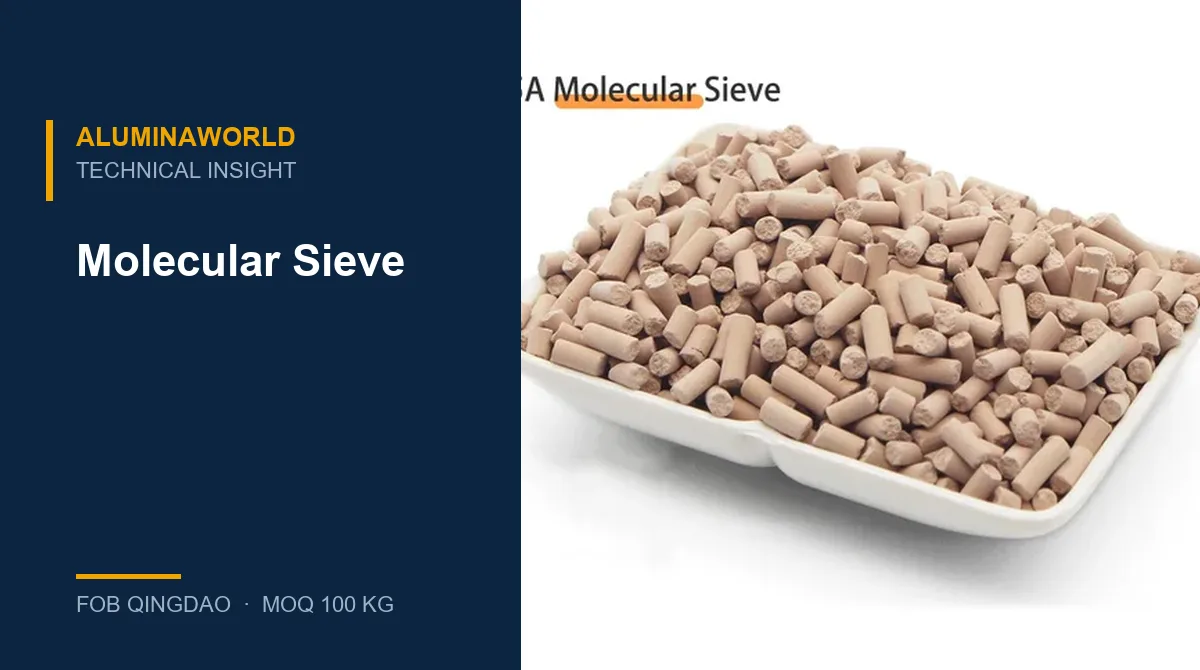
Molecular Sieve 3A for Jet Fuel (Jet A-1 / JP-8) Drying: Why 3 Angstrom Pore Beats 13X, 4A, and Silica Gel
Engineering guide to molecular sieve 3a jet fuel jet. Covers the underlying chemistry, grade-by-grade numerical comparison, dosing and cycle kinetics,…
Read Article →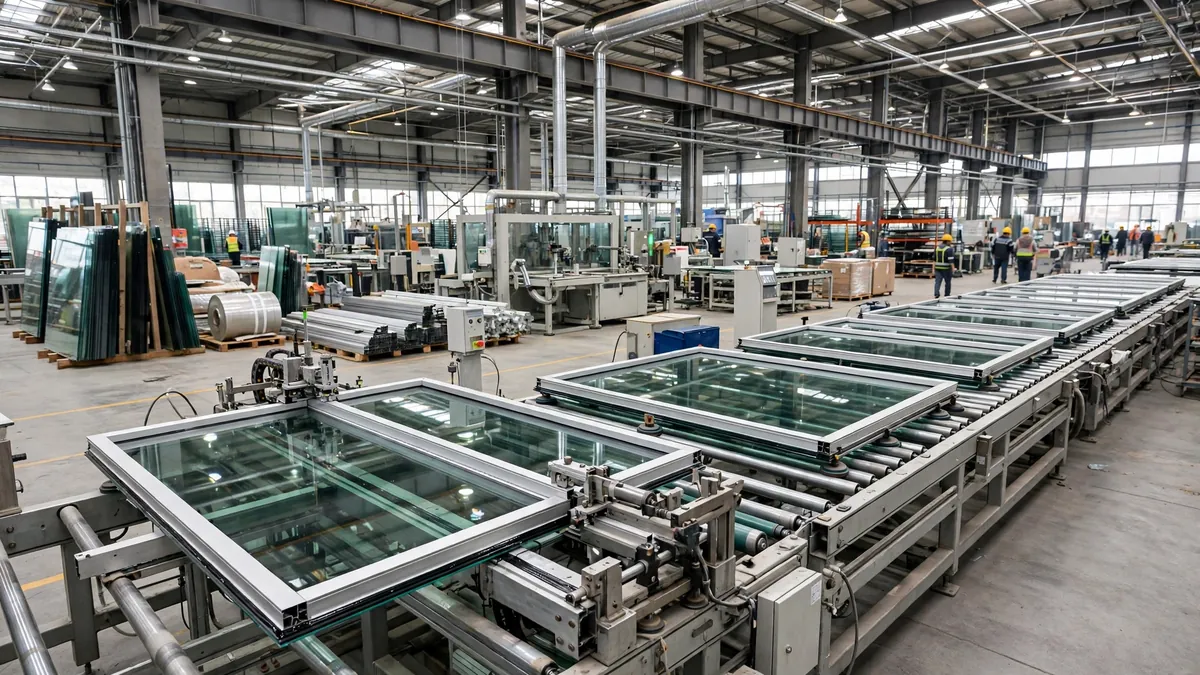
Molecular Sieve 3A: Ethanol Dehydration and Insulating Glass Applications
Molecular Sieve 3A: Ethanol Dehydration and Insulating Glass Applications — COA numbers, dosage across service conditions, regeneration economics, and a…
Read Article →Molecular Sieve 3a Refrigerant Drying
Engineering guide to Molecular Sieve 3a Refrigerant Drying. Covers molecular sieve chemistry, grade-by-grade numerical comparison, dosing and cycle…
Read Article →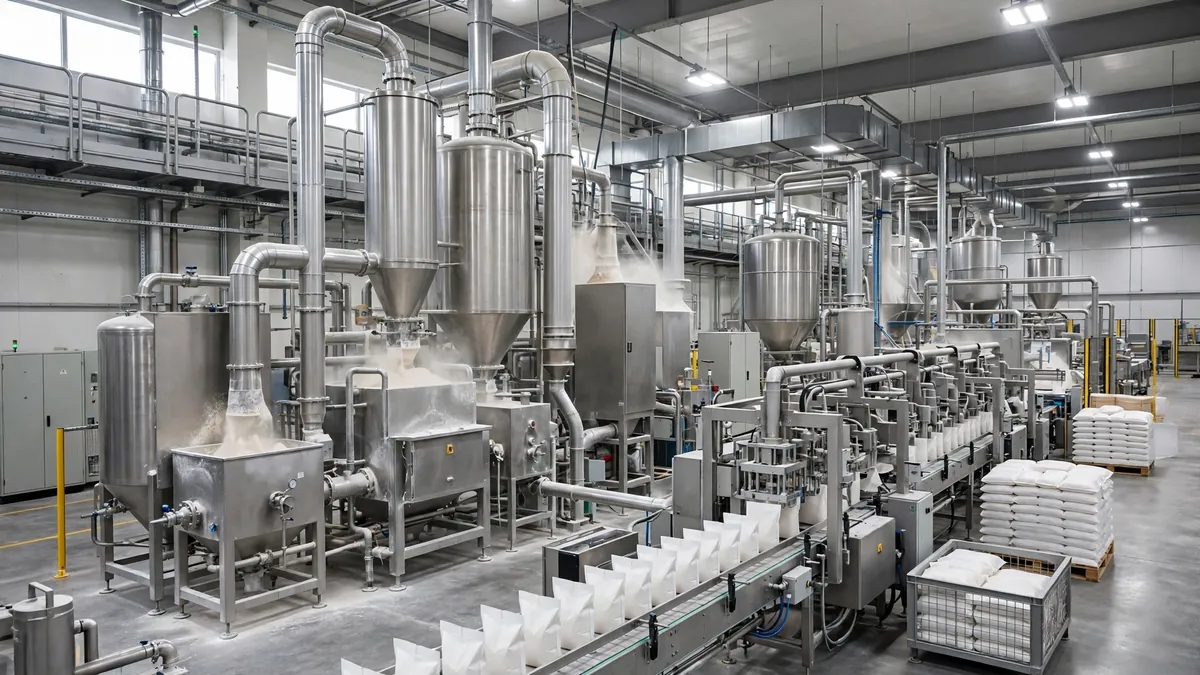
Molecular Sieve 4A for Detergent Builder: How Zeolite 4A Replaced STPP in Powder Detergent Formulations
Engineering guide to molecular sieve 4a detergent builder stpp. Covers the underlying chemistry, grade-by-grade numerical comparison, dosing and cycle…
Read Article →Molecular Sieve 4A for Ethylene and Ethylene Oxide Drying: Bed Design, Regeneration Parameters, and Acetylene Co-Adsorption
Molecular Sieve 4A for Ethylene and Ethylene Oxide Drying: Bed Design, Regeneration Parameters, and Acetylene Co-Adsorption — COA numbers, dosage across…
Read Article →
Molecular Sieve 4A for Natural Gas and LNG Dehydration: Capacity and Cycle Design
Molecular Sieve 4A for Natural Gas and LNG Dehydration: Capacity and Cycle Design — COA numbers, dosage across service conditions, regeneration economics,…
Read Article →Molecular Sieve 5 Uses
Engineering guide to Molecular Sieve 5 Uses. Covers molecular sieve chemistry, grade-by-grade numerical comparison, dosing and cycle kinetics, procurement…
Read Article →Molecular Sieve Air Separation
Engineering guide to Molecular Sieve Air Separation. Covers molecular sieve chemistry, grade-by-grade numerical comparison, dosing and cycle kinetics,…
Read Article →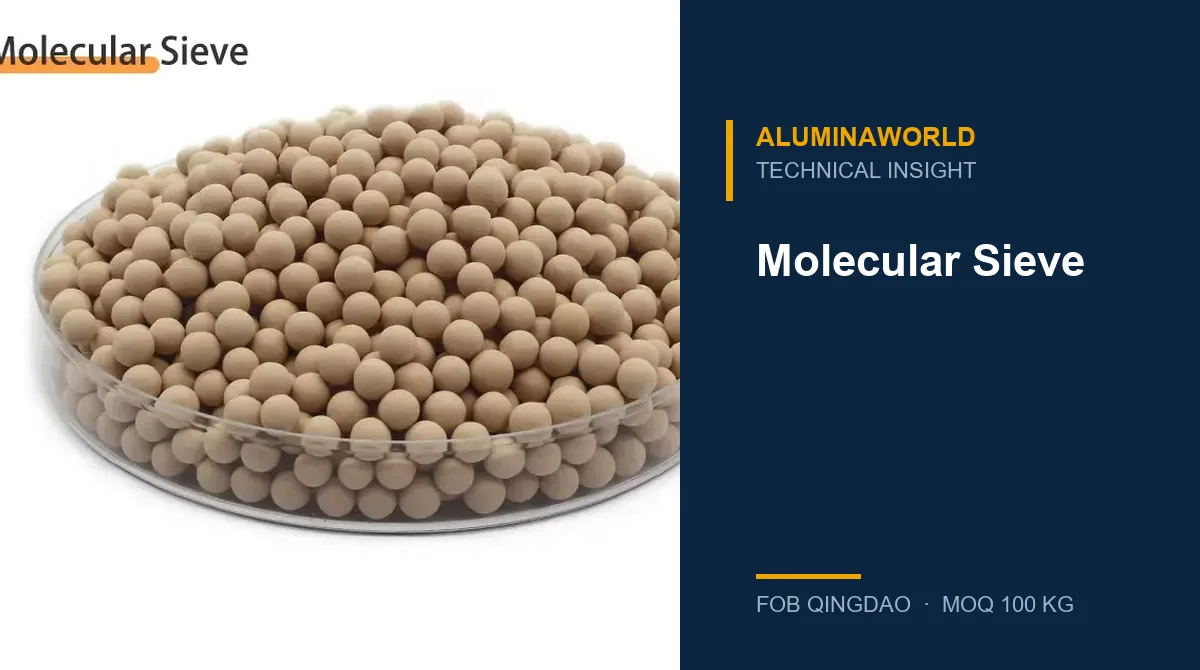
Molecular Sieve Attrition Rate: ASTM D4058 Test, Industry Specs, and How Dust Kills PSA Beds
Engineering guide to molecular sieve attrition rate. Covers the underlying chemistry, grade-by-grade numerical comparison, dosing and cycle kinetics,…
Read Article →Molecular Sieve Ethanol Dehydration 3a Vs 4a Energy Comparison
Engineering guide to Molecular Sieve Ethanol Dehydration 3a Vs 4a Energy Comparison. Covers molecular sieve chemistry, grade-by-grade numerical…
Read Article →Molecular Sieve For Biogas Upgrading
Engineering guide to Molecular Sieve For Biogas Upgrading. Covers molecular sieve chemistry, grade-by-grade numerical comparison, dosing and cycle…
Read Article →
Molecular Sieve Poisoning by H2S: Detection, Recovery, and Prevention in Sour Gas Service
Engineering guide to molecular sieve h2s poisoning detection recovery. Covers the underlying chemistry, grade-by-grade numerical comparison, dosing and…
Read Article →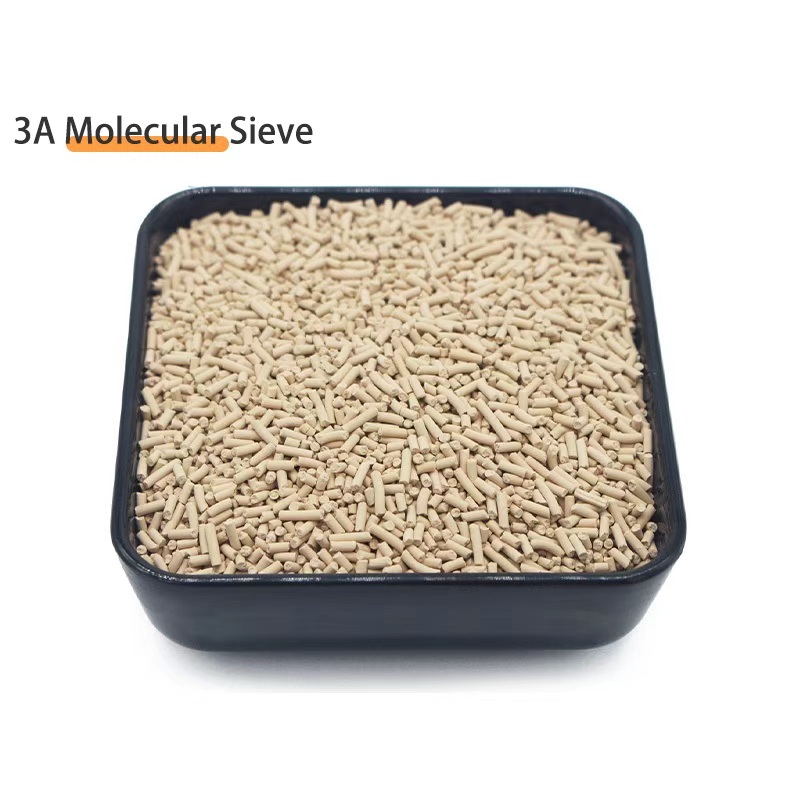
Molecular Sieve Powder vs Bead: When Powder Form Wins (Paints, Adhesives, Polymer Additives)
Molecular Sieve Powder vs Bead: When Powder Form Wins (Paints, Adhesives, Polymer Additives) — COA numbers, dosage across service conditions, regeneration…
Read Article →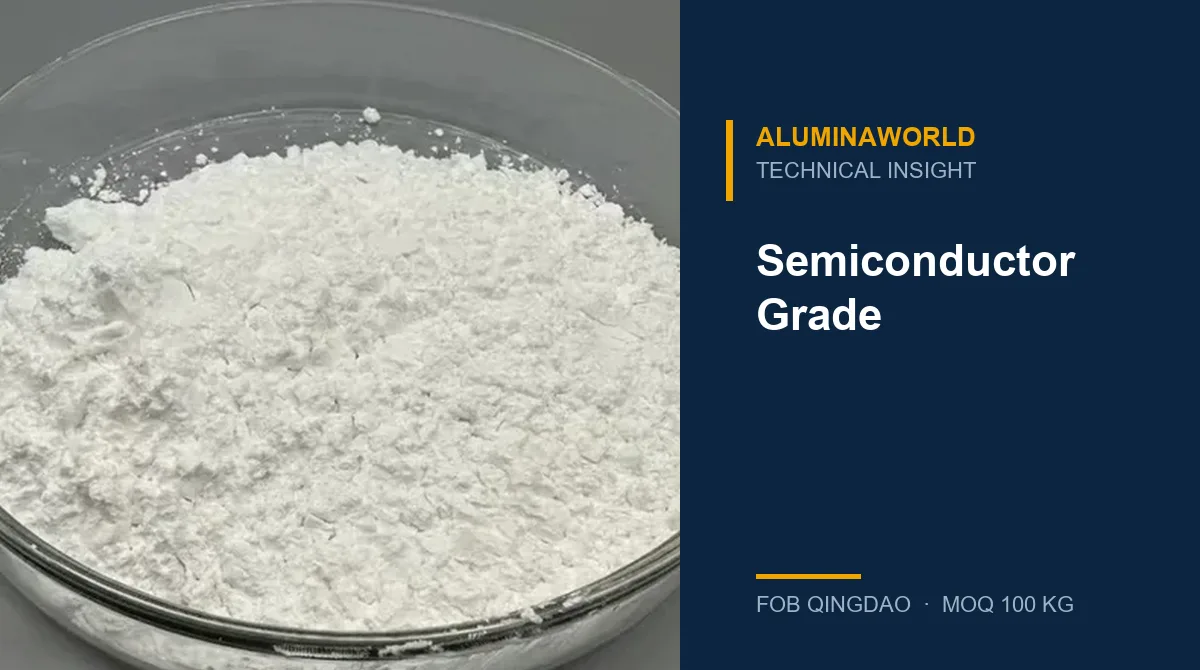
Molecular Sieve Purification of Electronic-Grade Specialty Gases: NF3, SiH4 and Moisture Below 100 ppb - AluminaWorld
Molecular Sieve Purification of Electronic-Grade Specialty Gases: NF3, SiH4 and Moisture Below 100 ppb - AluminaWorld — COA numbers, dosage across service…
Read Article →
Molecular Sieve Regeneration Best Practices: Extend Sieve Life from 3 to 7 Years
Molecular Sieve Regeneration Best Practices: Extend Sieve Life from 3 to 7 Years — COA numbers, dosage across service conditions, regeneration economics,…
Read Article →
Molecular Sieve for Biogas Upgrading: 13X vs Activated Carbon for CO2 Removal
Molecular Sieve for Biogas Upgrading: 13X vs Activated Carbon for CO2 Removal — COA numbers, dosage across service conditions, regeneration economics, and…
Read Article →
Molecular Sieve for O2 Concentrator: LiLSX vs 5A vs 13X Performance Comparison
Molecular Sieve for O2 Concentrator: LiLSX vs 5A vs 13X Performance Comparison — COA numbers, dosage across service conditions, regeneration economics,…
Read Article →
Molecular Sieve for Refrigerant Drying (R134a, R410A, R32): Acid Number Control and Compressor Protection
Engineering guide to molecular sieve for refrigerant drying r134a. Covers the underlying chemistry, grade-by-grade numerical comparison, dosing and cycle…
Read Article →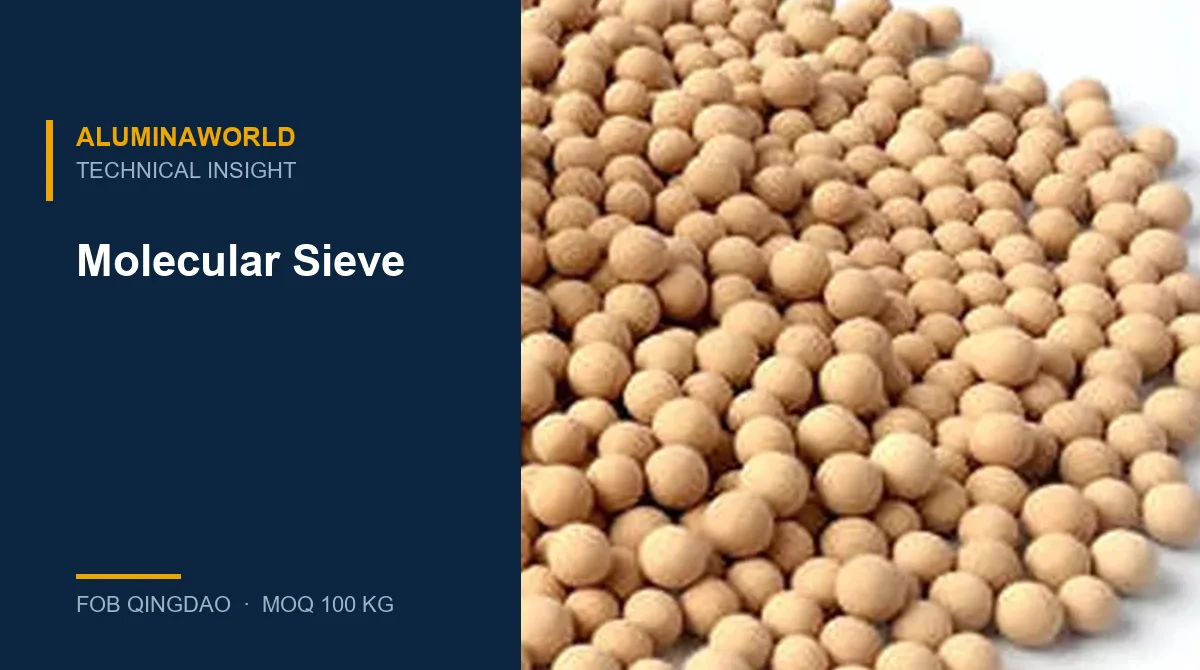
Molecular Sieve for Syngas Purification: CO2, CO, and H2S Removal in SMR and Partial Oxidation Hydrogen Plants
Molecular Sieve for Syngas Purification: CO2, CO, and H2S Removal in SMR and Partial Oxidation Hydrogen Plants — COA numbers, dosage across service…
Read Article →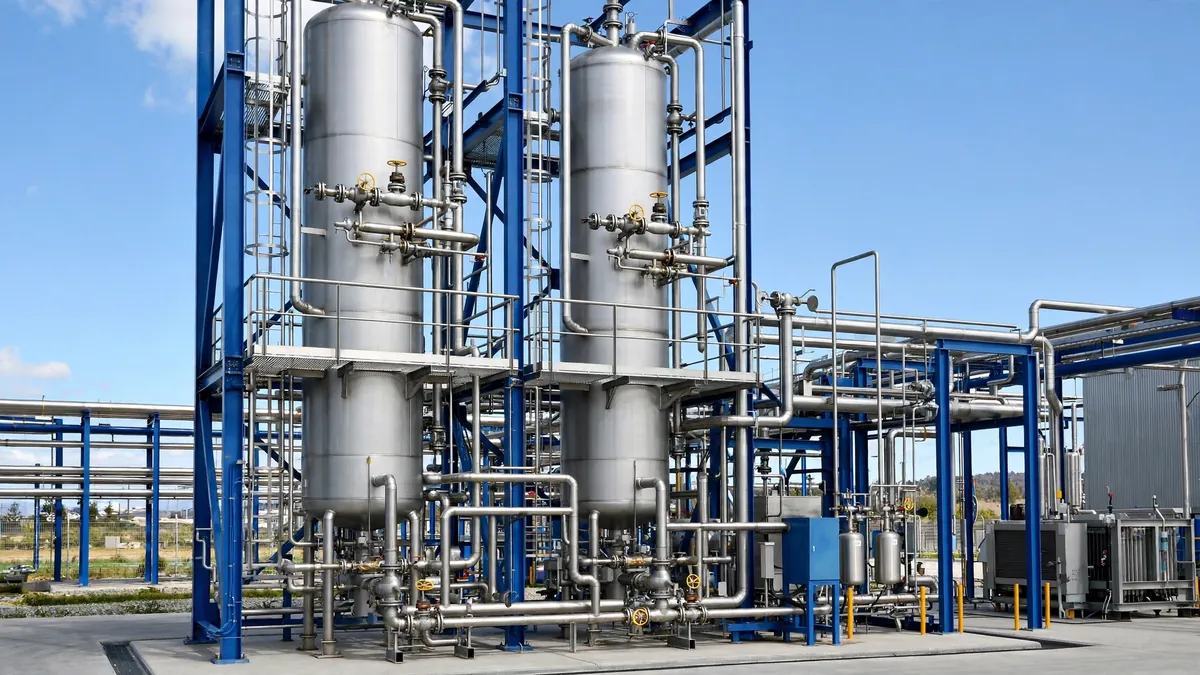
PSA Oxygen Sizing, Bed Depth, and 10-Year TCO: LiLSX vs 5A vs 13X for Industrial and Medical Plants
PSA Oxygen Sizing, Bed Depth, and 10-Year TCO: LiLSX vs 5A vs 13X for Industrial and Medical Plants — COA numbers, dosage across service conditions,…
Read Article →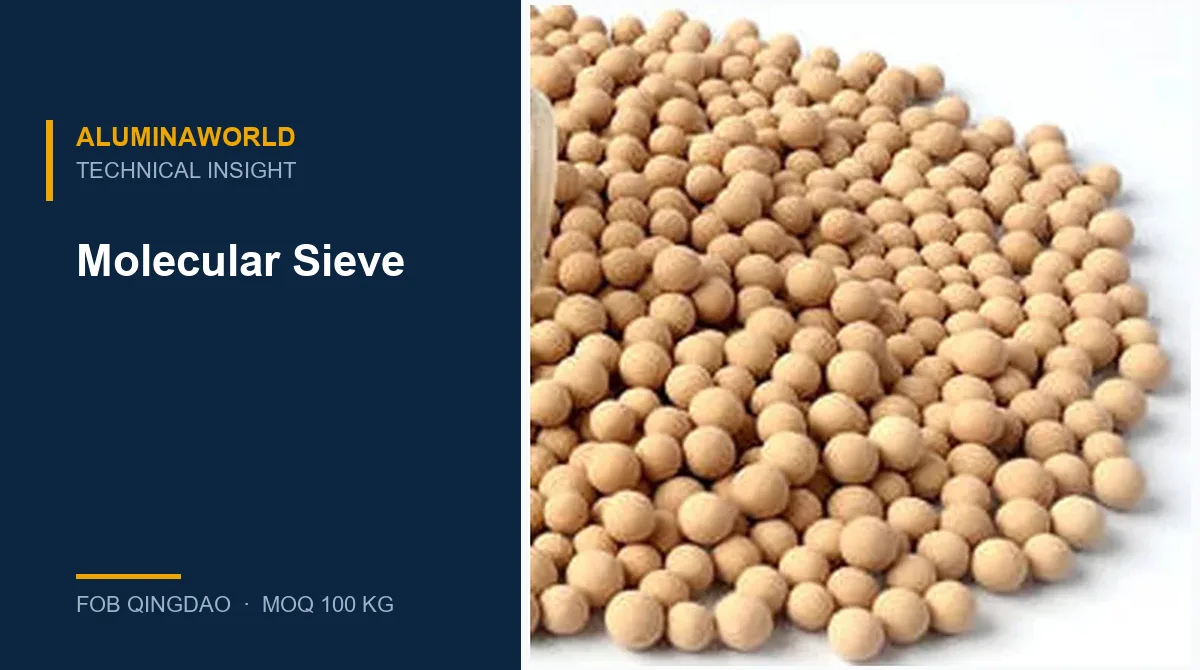
Polyol Dehydration with 3A Molecular Sieve: Viscosity, NCO Consumption, and 5-Year TCO for Polyurethane Foam Producers
Engineering guide to 3a molecular sieve polyol dehydration. Covers the underlying chemistry, grade-by-grade numerical comparison, dosing and cycle…
Read Article →