
Notes on media & materials.
Short, practical articles — each one answers a question our customers actually ask. If your question isn't here, email us; it may become the next article.
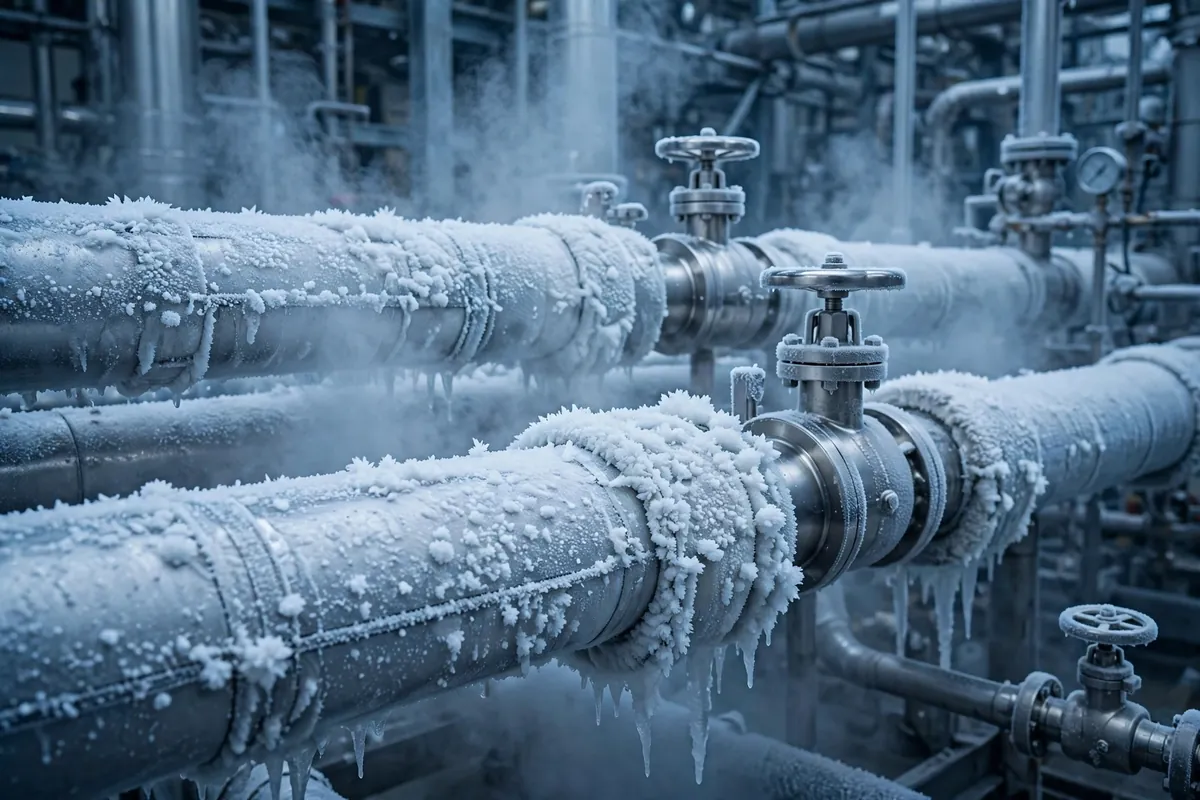
When to change out air-separation purification media
Bed life is not a calendar date. The signals that a purification bed is nearing its end — and the data to prepare before ordering its replacement.
Read Article →
Why insulating glass uses 3A molecular sieve — and what to specify
Fogged units are usually a desiccant problem. Why 3A is the standard fill for sealed units, and the four properties that matter when buying it.
Read Article →
Ethanol dehydration with 3A molecular sieve: a buyer's checklist
From hydrous ethanol to fuel grade, vapour-phase dehydration on 3A is the standard route. The operating data a supplier needs to confirm a bed.
Read Article →Tell us your process.
Get a reply from an engineer.
Send your application, current media and quantity. We will confirm the right grade, share the datasheet, and quote a clear EXW price — no obligation.
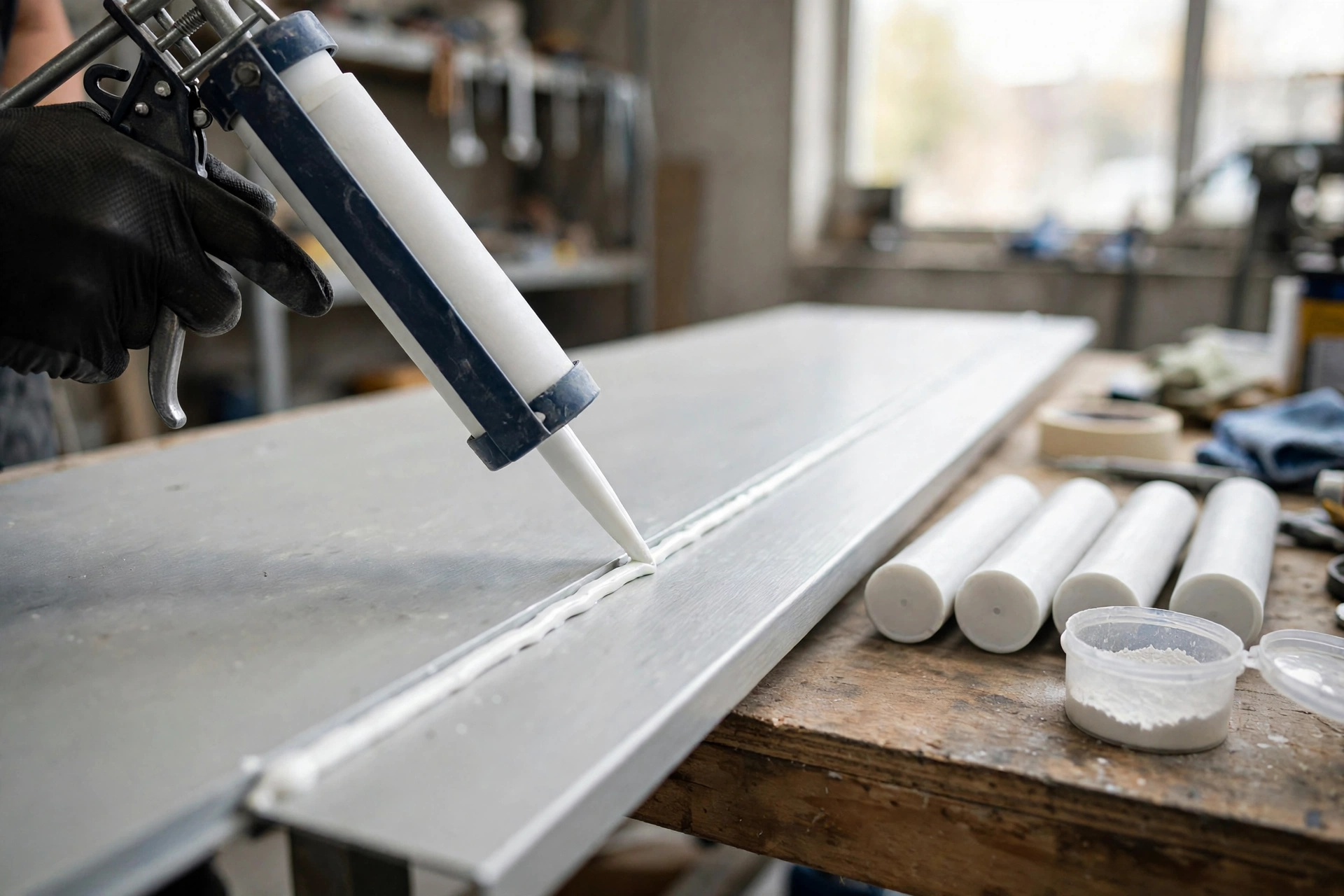
ATH in Sealants and Adhesives: Fire Safety That Holds
ATH gives sealants and adhesives halogen-free flame retardancy when grade, loading and treatment are right. How to choose ATH without losing bond
Read Article →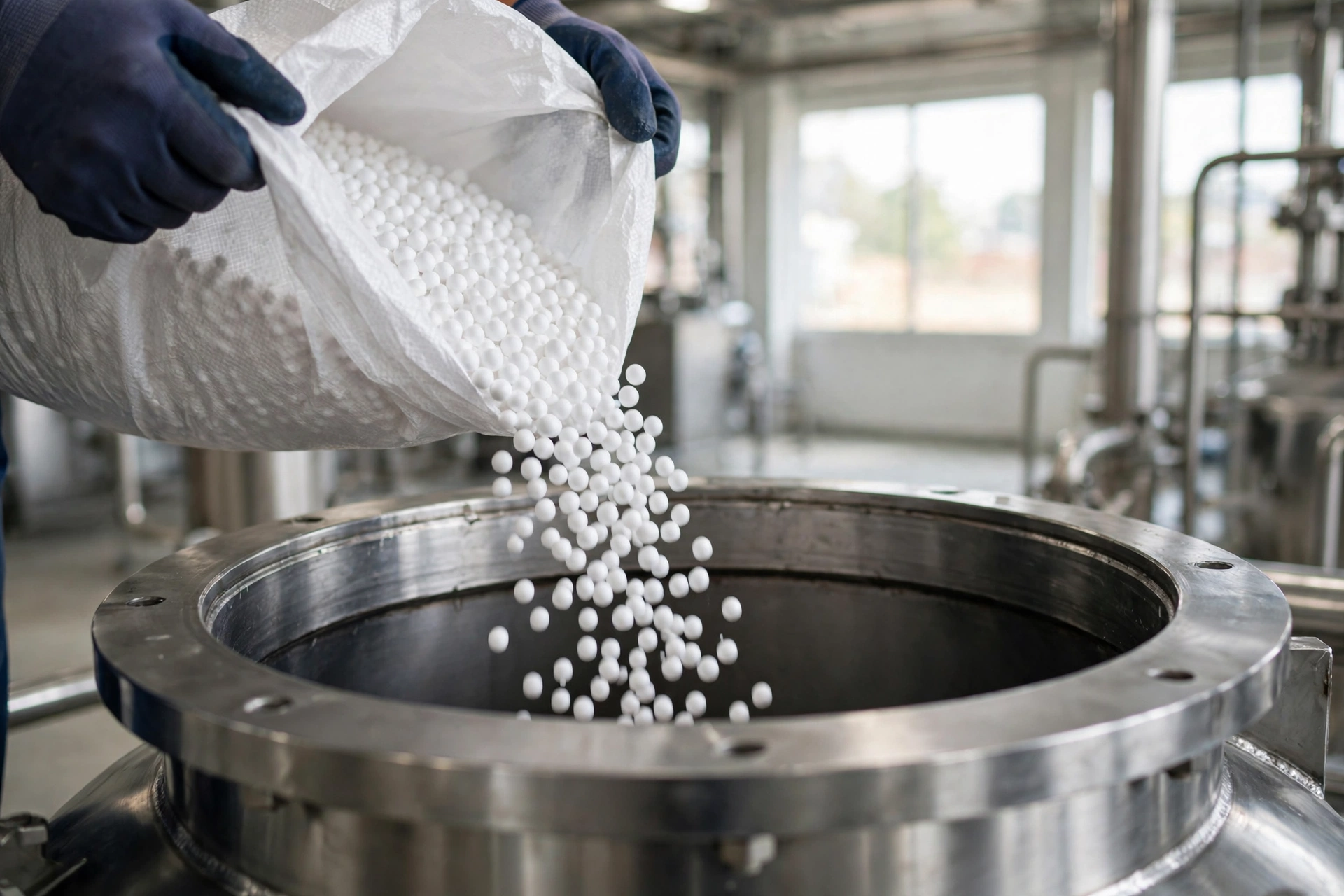
Activated Alumina Bead Size: How to Choose the Right One
Activated alumina beads come in 1–3, 3–5 and 5–8 mm. How size affects pressure drop, drying speed and bed life — and which size your dryer
Read Article →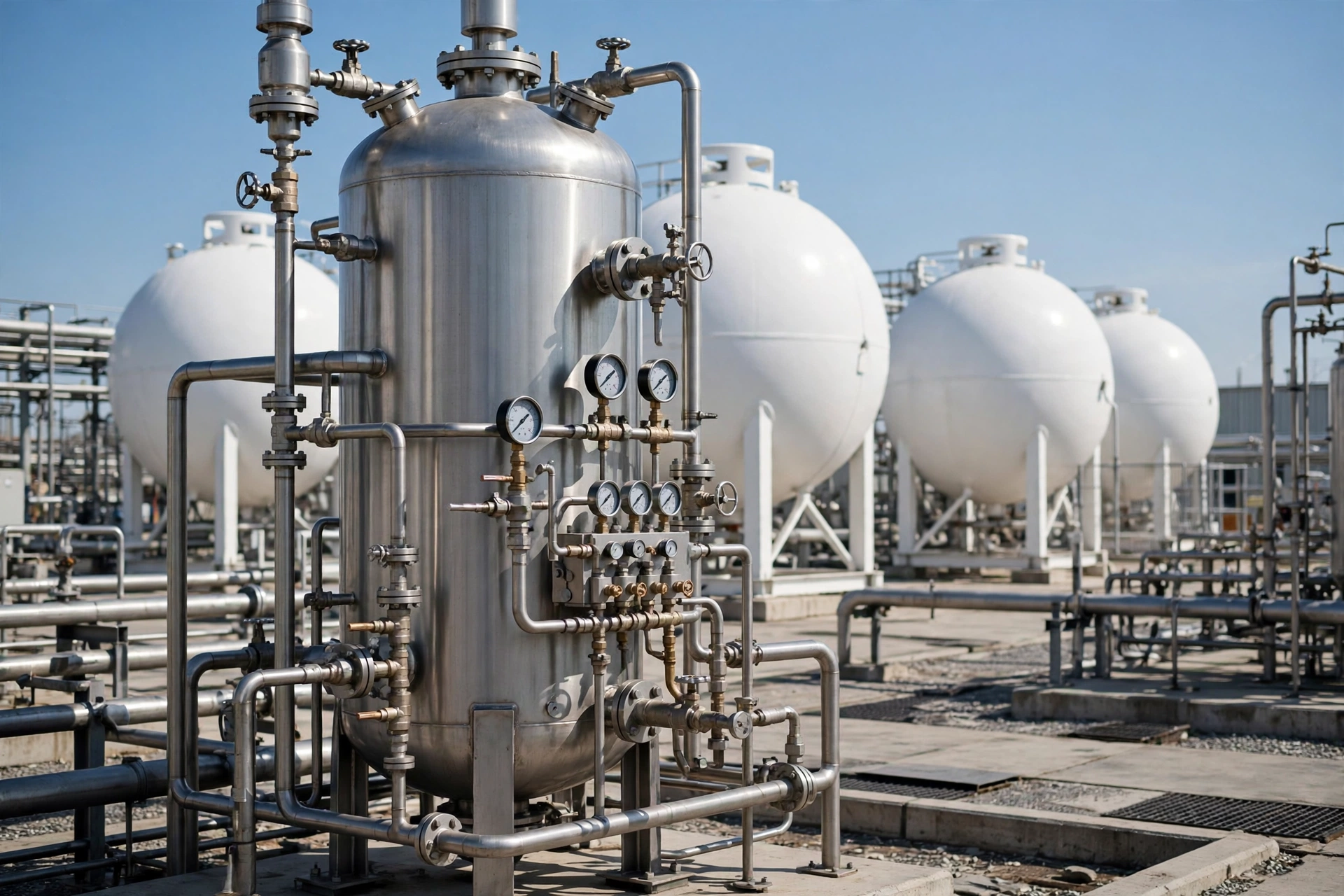
LPG Drying with Molecular Sieve: 4A vs 13X Explained
Wet LPG causes hydrates, corrosion and off-spec product. How 4A and 13X molecular sieves dry LPG, remove mercaptans, and what regeneration
Read Article →
How to Compare Adsorbent Quotations Line by Line
Compare molecular sieve and activated alumina quotations line by line: price basis, packaging, lead time, documents and hidden
Read Article →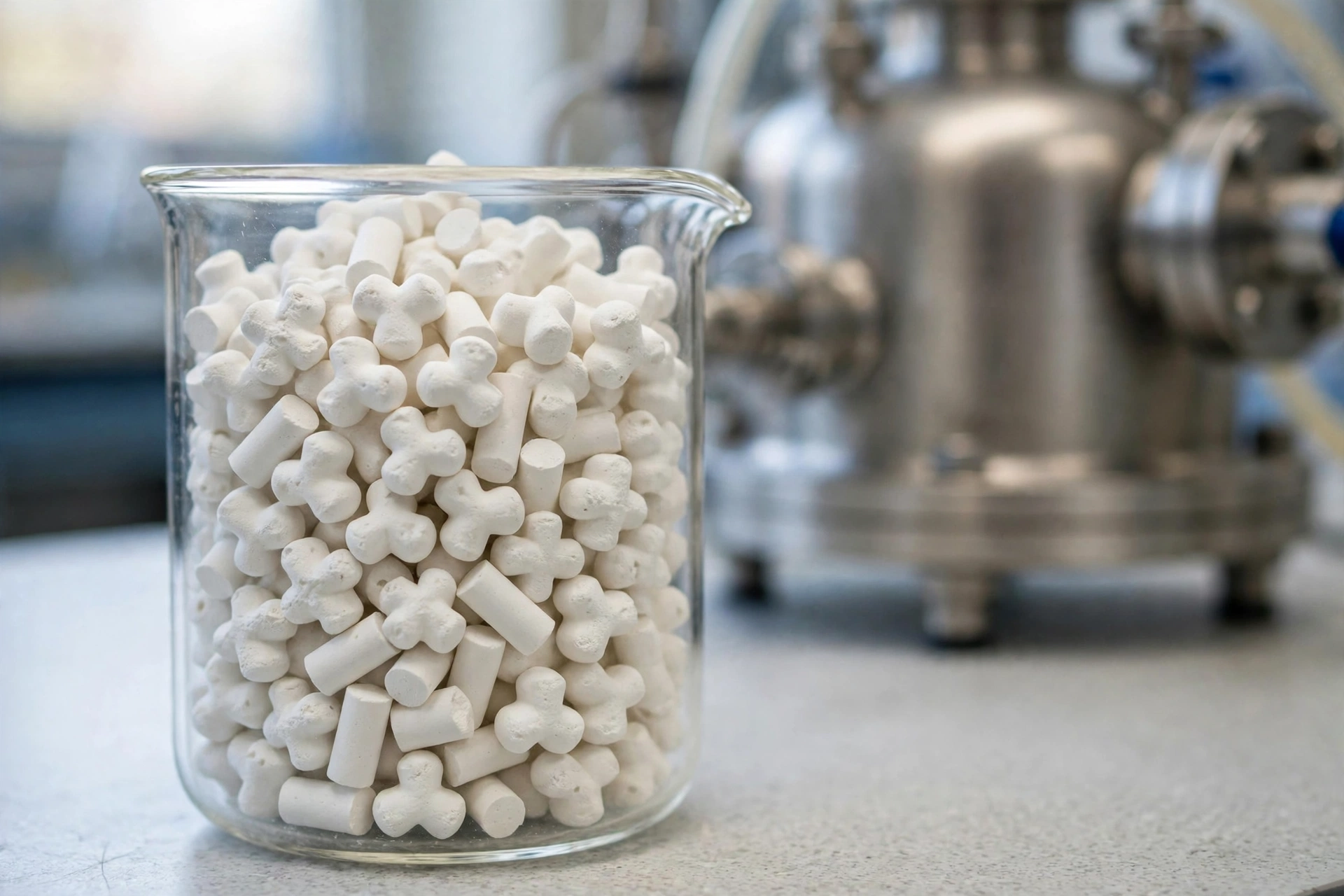
How to Read a Catalyst Carrier Datasheet: 7 Key Numbers
A catalyst carrier datasheet hides the fit in seven numbers — BET, pore volume, crush strength, Na2O and more. Learn what each means before you
Read Article →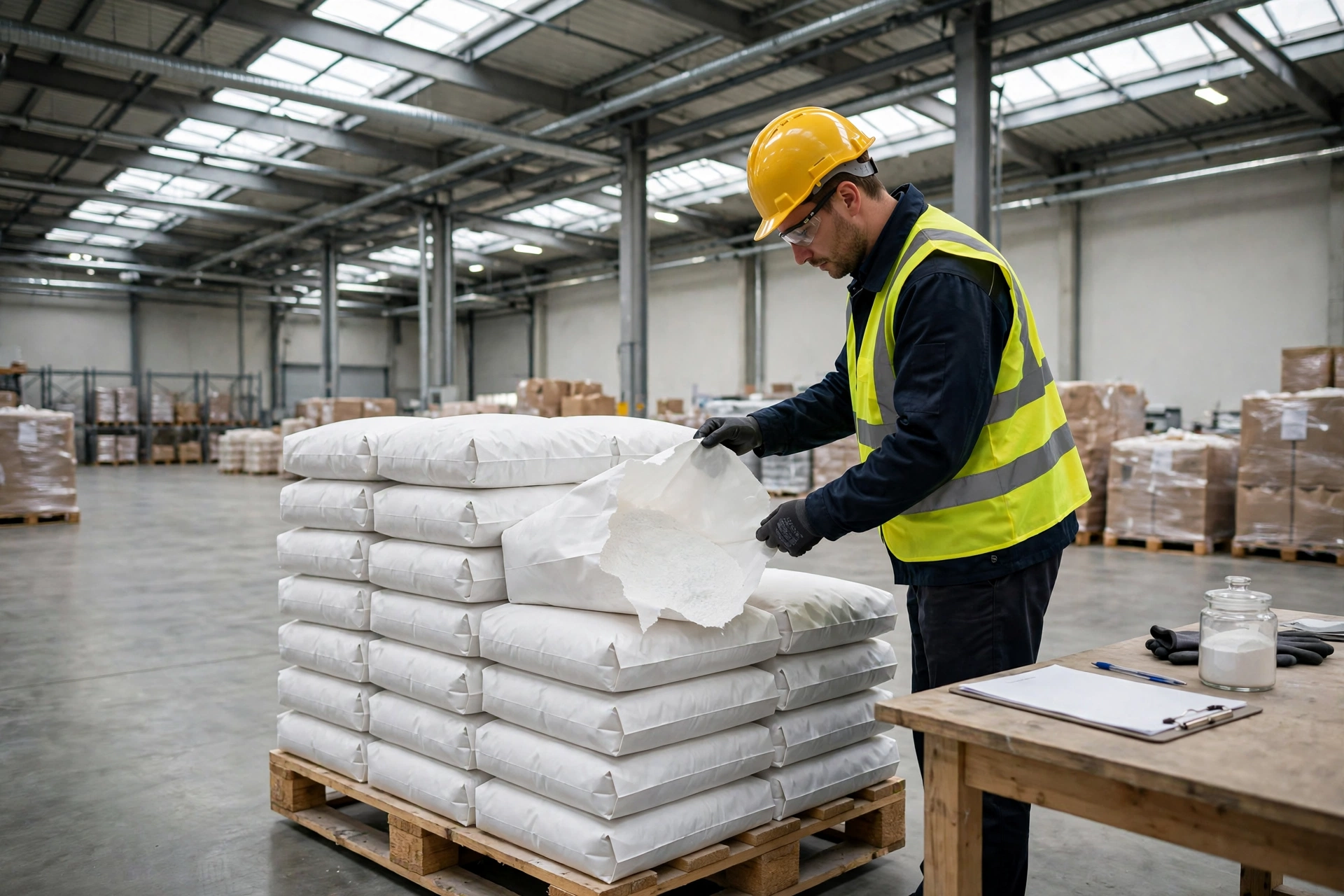
Receiving Alumina & ATH: 7 Checks Before You Accept
Alumina and ATH arrive as fine white powders — check the COA, whiteness, particle size and packaging before you sign. Seven receiving checks for
Read Article →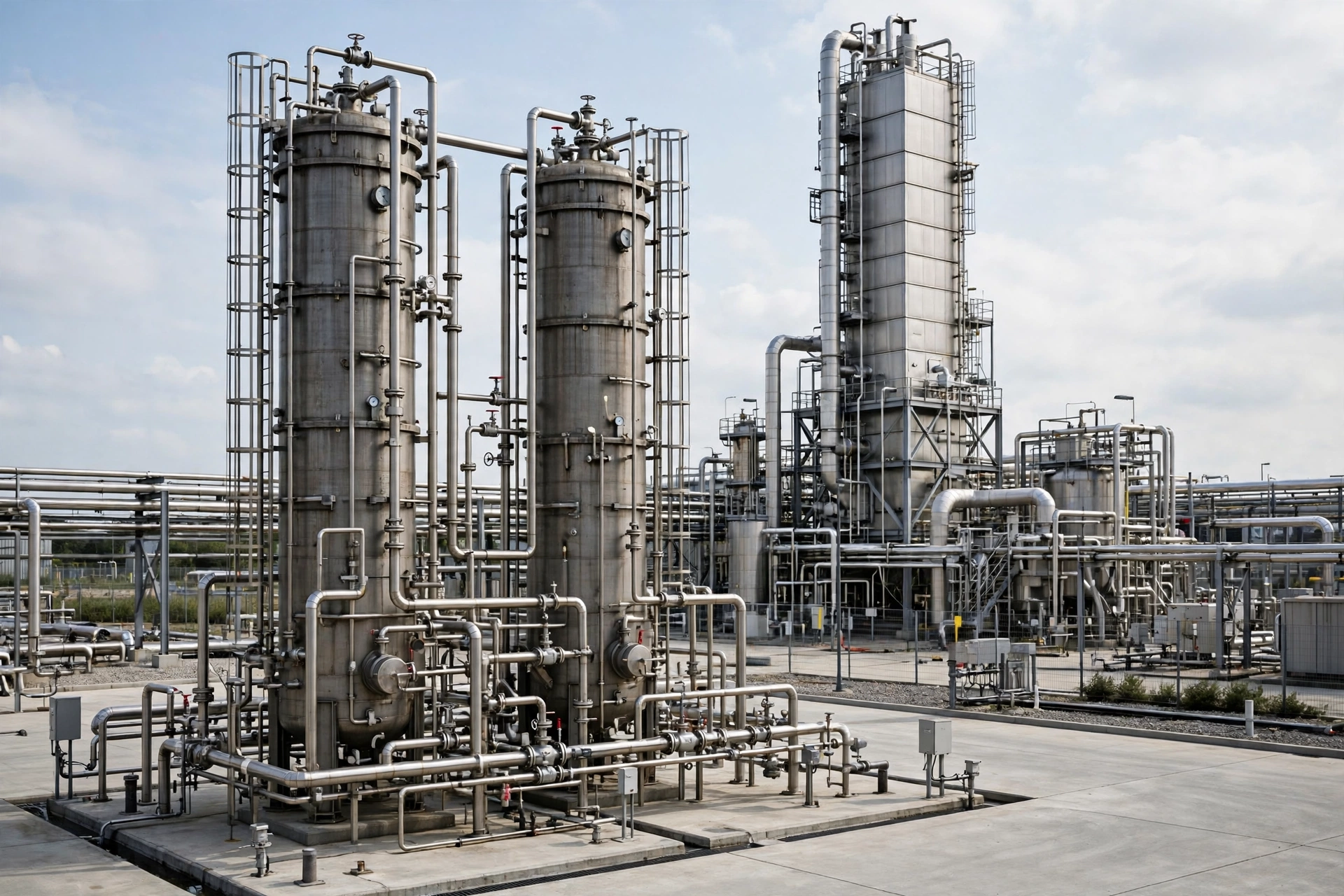
Activated Alumina Guard Bed in Air Separation Plants
Activated alumina is the water guard layer in air separation pre-purifiers: bed design, sizing, regeneration and failure
Read Article →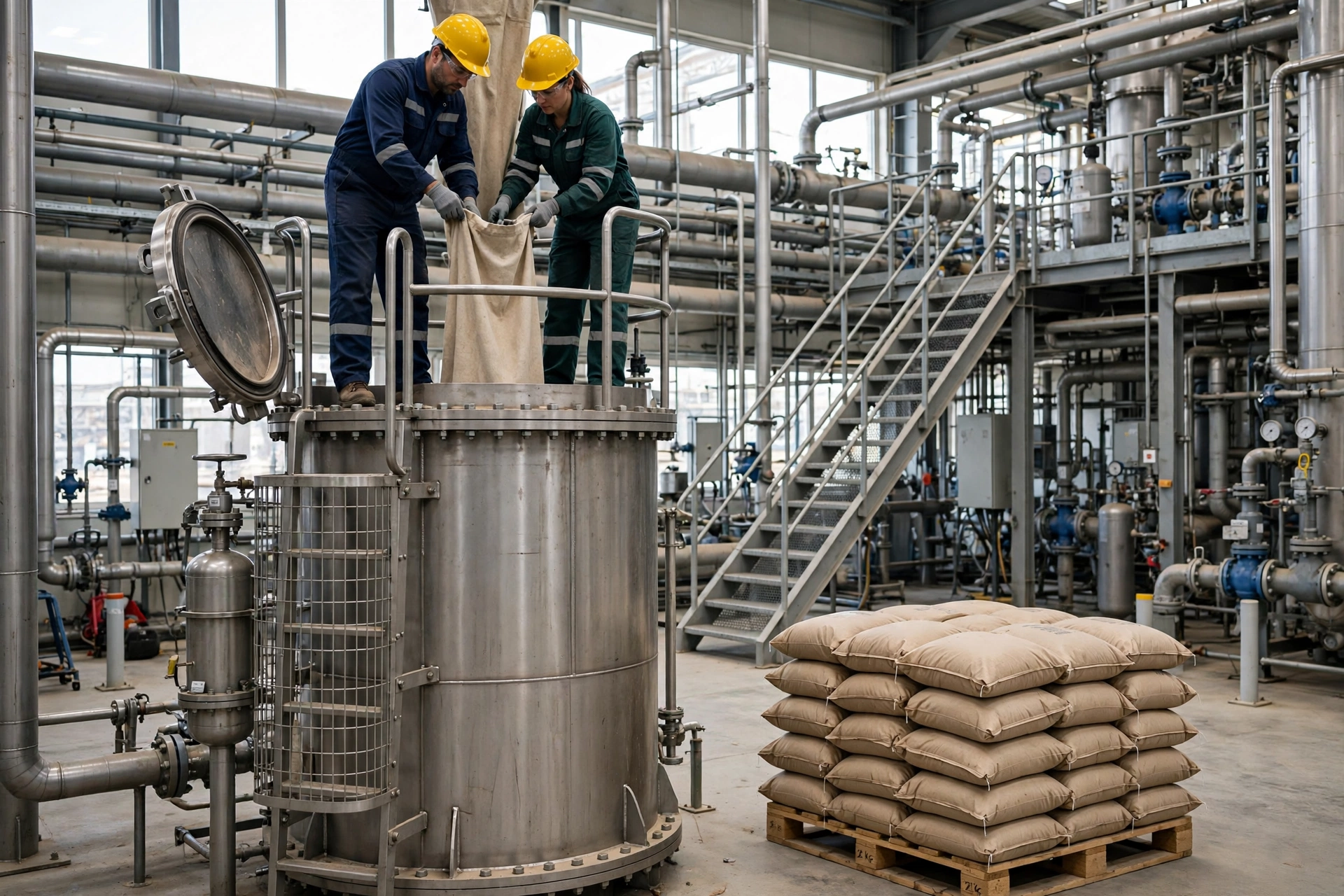
How to Load a Molecular Sieve Bed: 5 Costly Mistakes
A molecular sieve bed is won or lost at loading. Dense loading, support layers and the five mistakes that crush beads, channel flow and cut bed
Read Article →
First Trial Order for Industrial Adsorbents: A Buyer's Guide
How to place a first trial order for molecular sieve or activated alumina: samples, specs, quotes, packaging and receiving checks — step by
Read Article →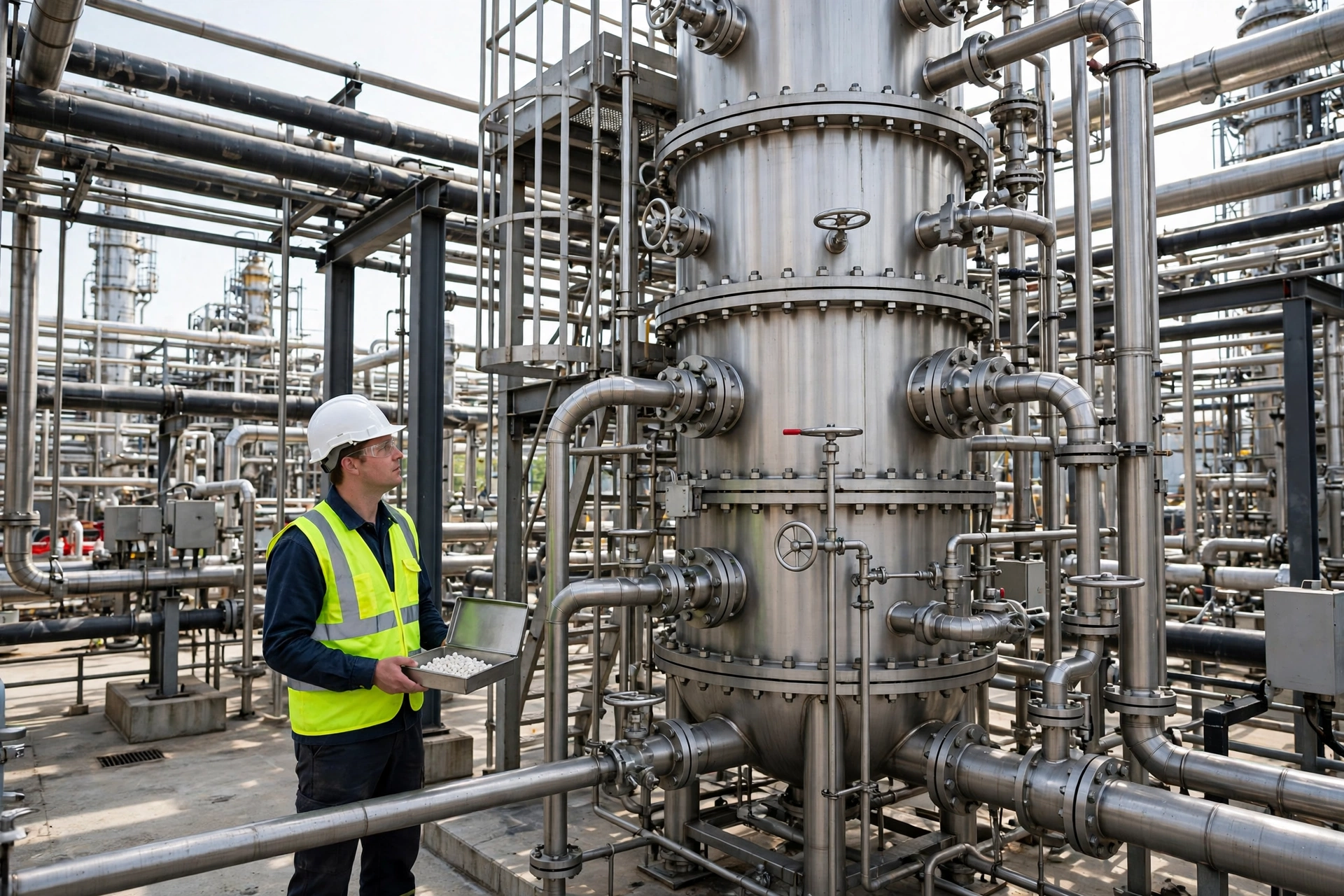
When to Replace a Catalyst Carrier Bed: 5 Signals
Five signals that a catalyst carrier bed is spent — activity loss, rising pressure drop, fines, poisoning and cost — and how to measure
Read Article →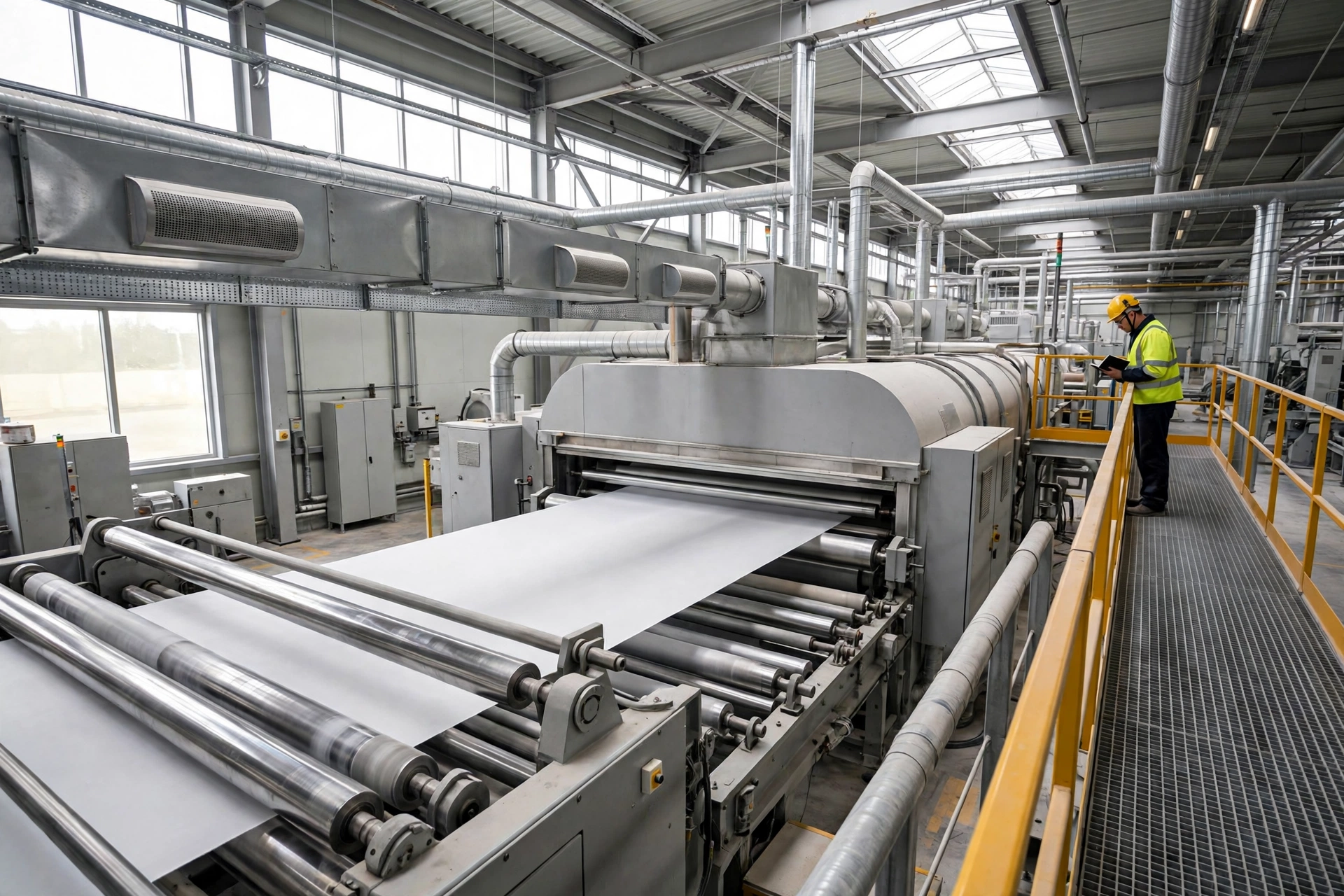
ATH in Paper Coating: Brightness, Opacity and Ink Holdout
ATH works as a paper-coating pigment: how whiteness, particle size and opacity lift brightness and ink holdout — and how to specify coating-grade
Read Article →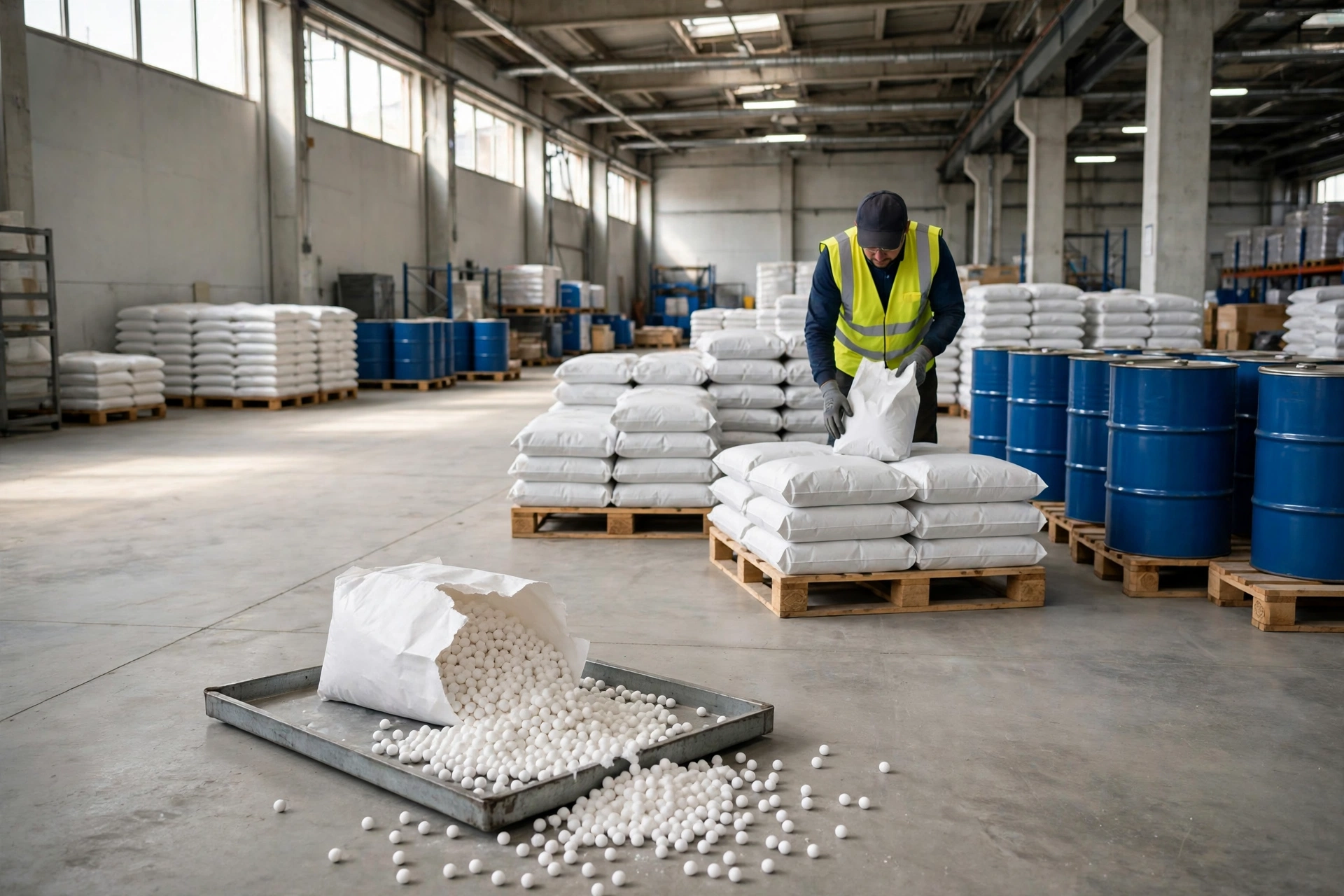
Activated Alumina Storage: Shelf Life and Receiving Checks
Activated alumina arrives dry only if it was stored dry. Shelf life, packaging, storage rules and the receiving checks that protect dryer
Read Article →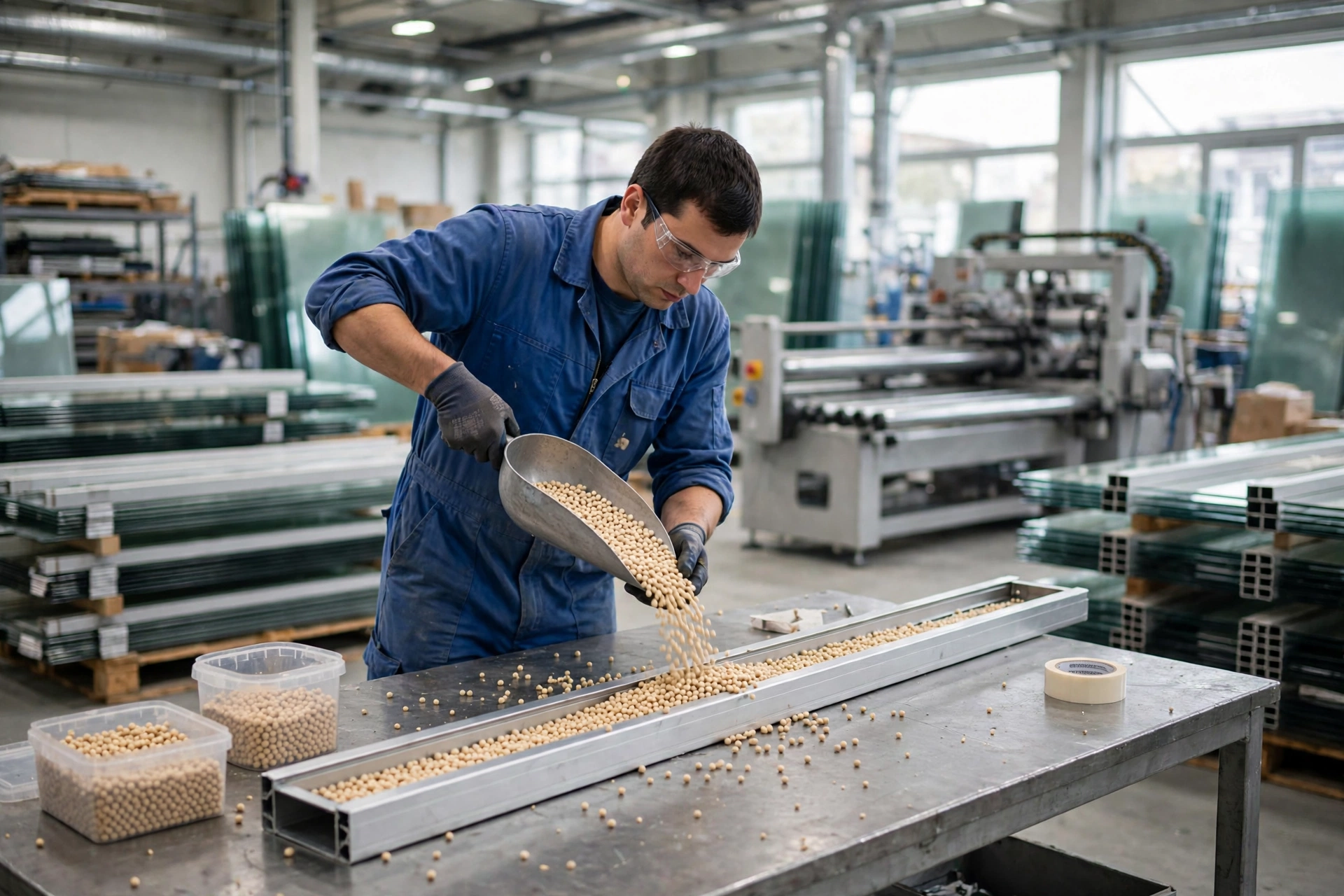
Why Insulating Glass Units Fog: 3A Molecular Sieve Diagnosis
Fog inside a sealed insulating glass unit means the 3A desiccant failed. The three failure paths, EN 1279-2 checks, and IG-grade 3A specs for IGU
Read Article →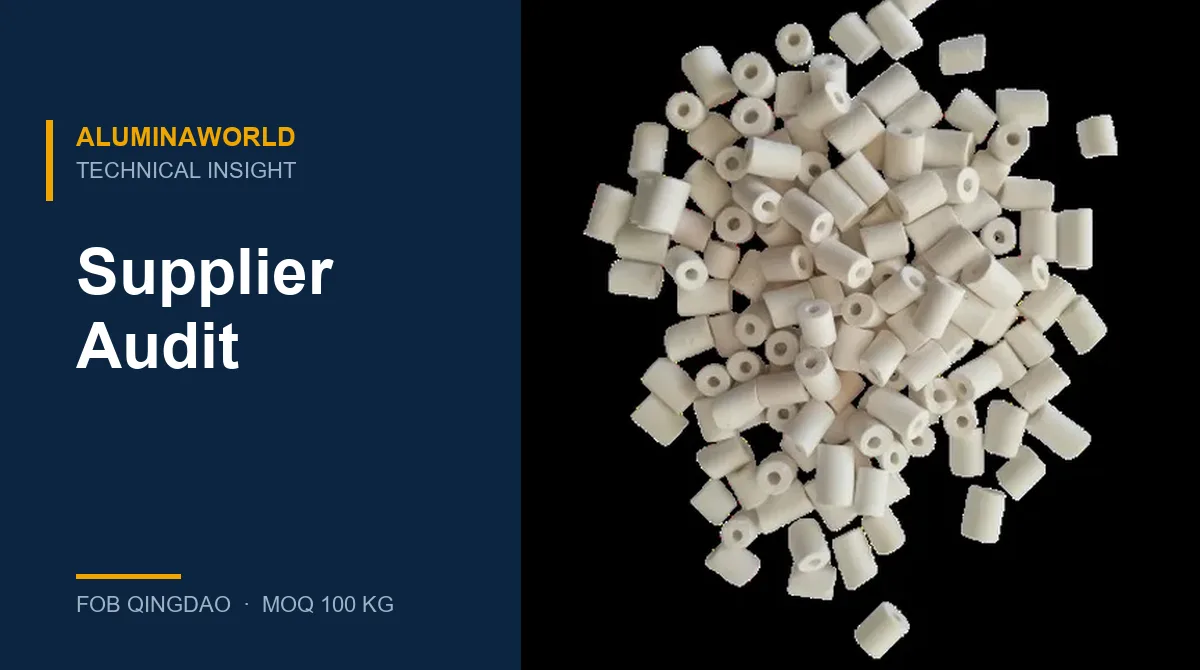
ISO 9001:2015 vs ISO 14001:2015 Dual Certification Audit Prep for Adsorbent Manufacturers
Practical audit preparation guide for procurement engineers evaluating dual-certified adsorbent manufacturers: how ISO 9001:2015 and ISO 14001:2015 share…
Read Article →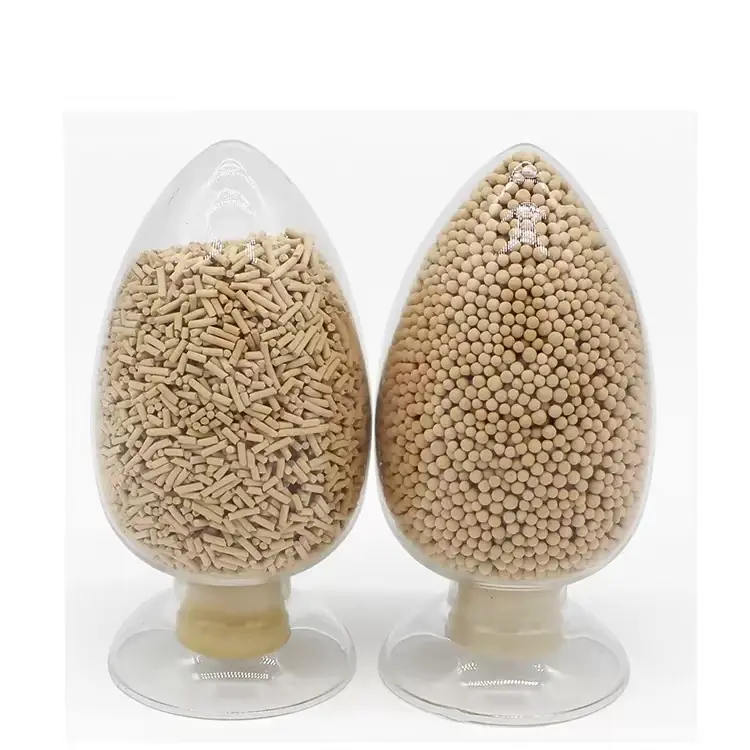
Vendor Audit Checklist for a Chinese Molecular Sieve Manufacturer: 12 On-Site Inspection Points
On-site factory audit guide for procurement engineers qualifying molecular sieve and activated alumina suppliers: the 12 physical inspection points that…
Read Article →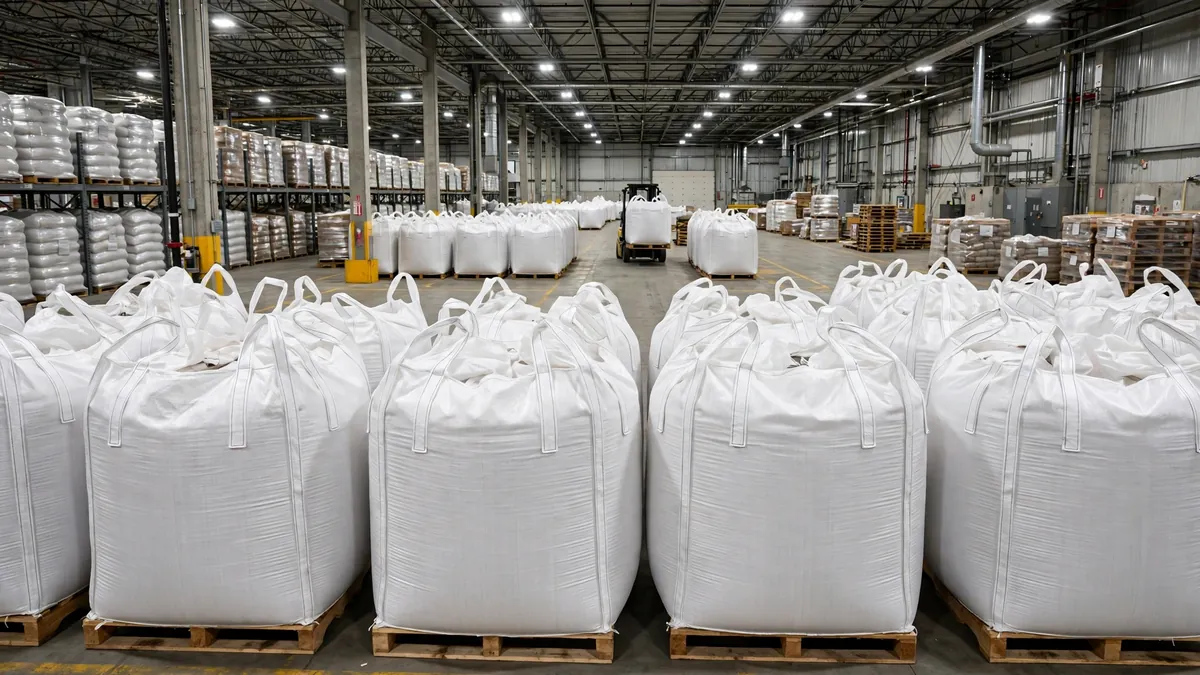
Spent Adsorbent Buy-Back Programs: 4 Manufacturer Models and Their Hidden Value Capture Mechanisms
Technical guide to spent molecular sieve and activated alumina buy-back programs for procurement and asset-management engineers: why a manufacturer wants…
Read Article →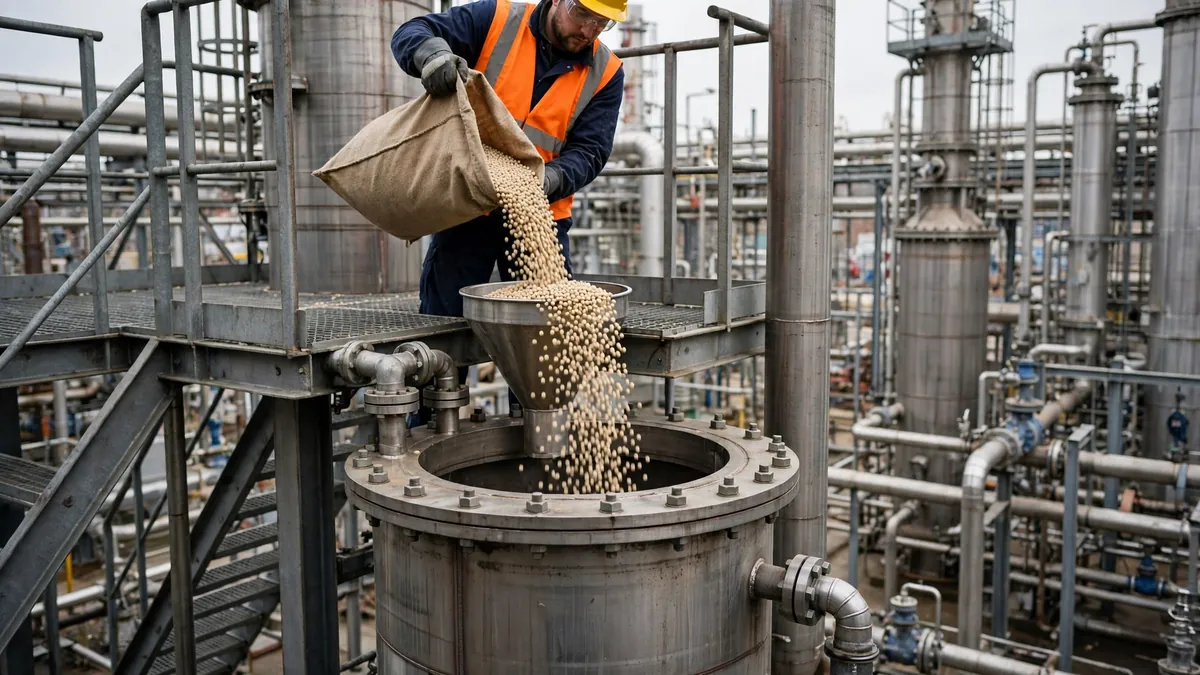
Pellet Diameter vs Bed Pressure Drop: Why the 4x6 Mesh vs 8x12 Mesh Trade-Off Is More Complicated Than Vendor Tables Suggest
Two size fractions, two different answers. What the Ergun equation really says about 4x6 vs 8x12 mesh, and the five variables a vendor particle size table…
Read Article →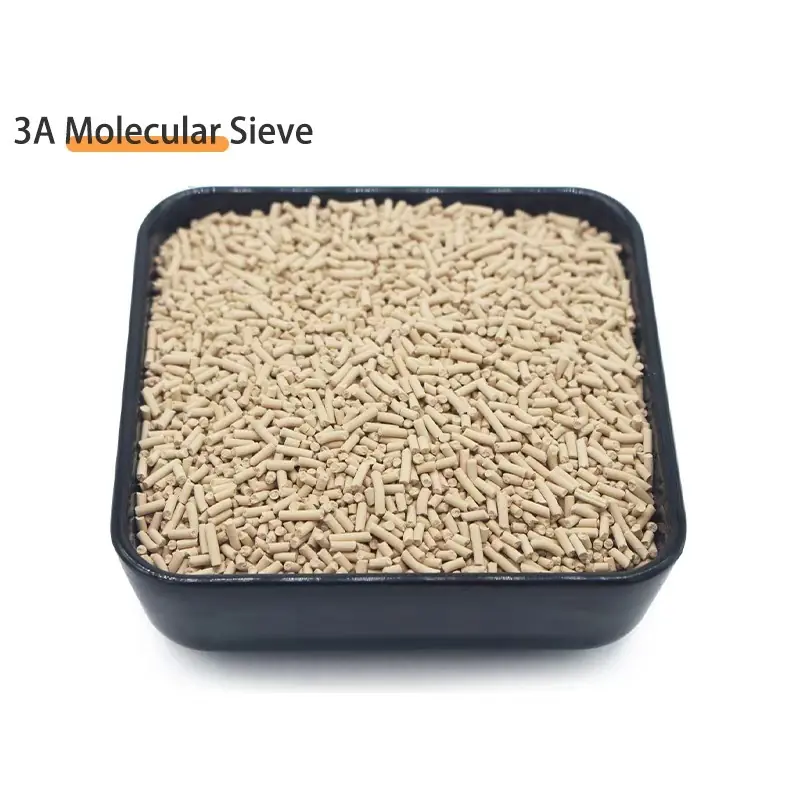
Adsorbent Static Bed Height vs Dynamic Working Capacity: How Compression Set Quietly Costs You 8-15% of a Working Bed
A bed settles, the void fraction falls, and working capacity drops 8-15%. How compression set works, how to measure it, and the five specification clauses…
Read Article →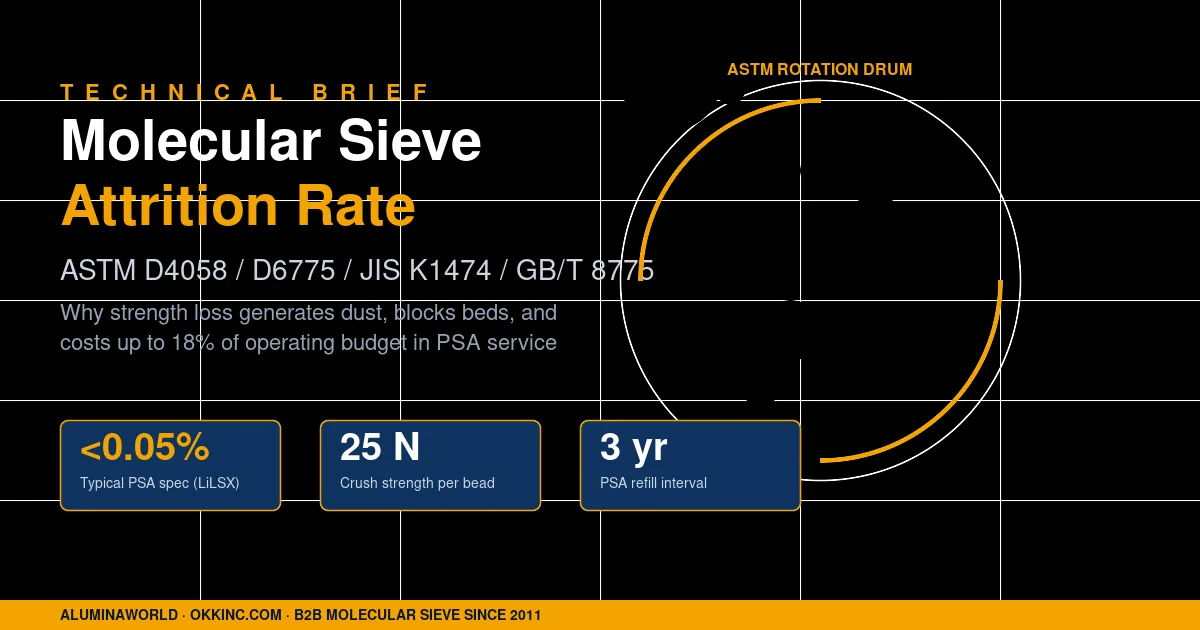
Bulk Crush Strength (ASTM D7084) vs Attrition Index (ASTM D4058): Which Test Actually Predicts Bed Dust
Two ASTM methods, two failure mechanisms: what ASTM D7084 bulk crush strength and ASTM D4058 attrition index each predict about bed dust, and how to…
Read Article →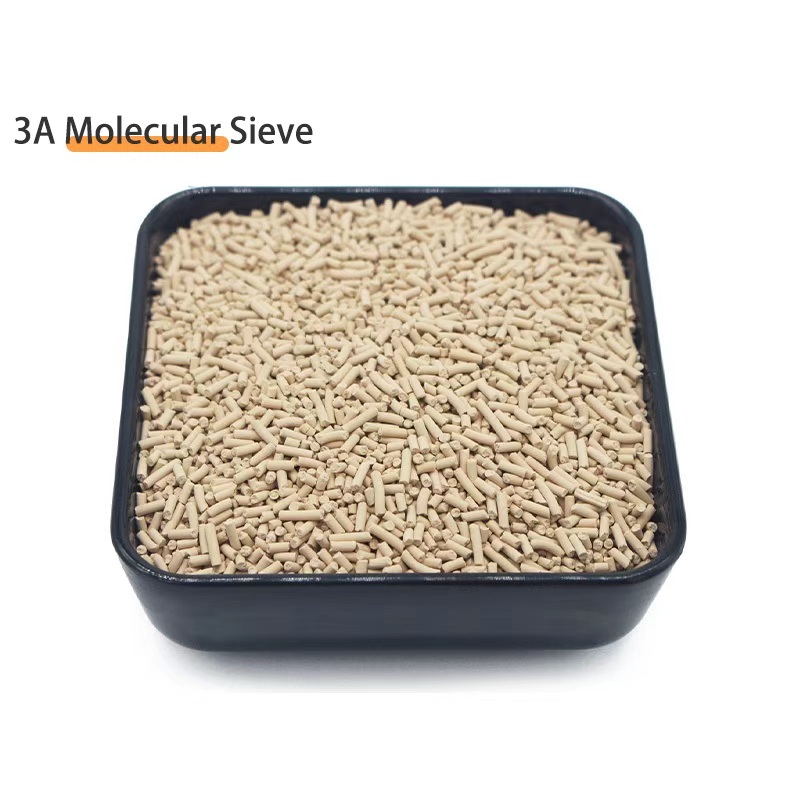
Semiconductor FOUP Storage Atmosphere: Molecular Sieve vs Activated Carbon vs Nitrogen Purge
FOUP (wafer carrier box) storage atmosphere control for semiconductor fabs: molecular sieve adsorption vs activated carbon vs nitrogen purge vs dry-air…
Read Article →Field Sampling Kit for a Spent Molecular Sieve Bed: ASTM E300 Procedure and Chain of Custody
A field sampling kit and procedure for spent molecular sieve beds built on ASTM E300: increment counts per layer, splitting per ASTM E105,…
Read Article →
Ammonia Synthesis Loop (Haber-Bosch) Purge Gas Molecular Sieve Bed: Hydrogen Recovery and 13X Saturation Kinetics
Haber-Bosch ammonia synthesis loop purge gas molecular sieve bed design: 13X saturation kinetics for H2 recovery from inerts (CH4, Ar, N2), purge ratio…
Read Article →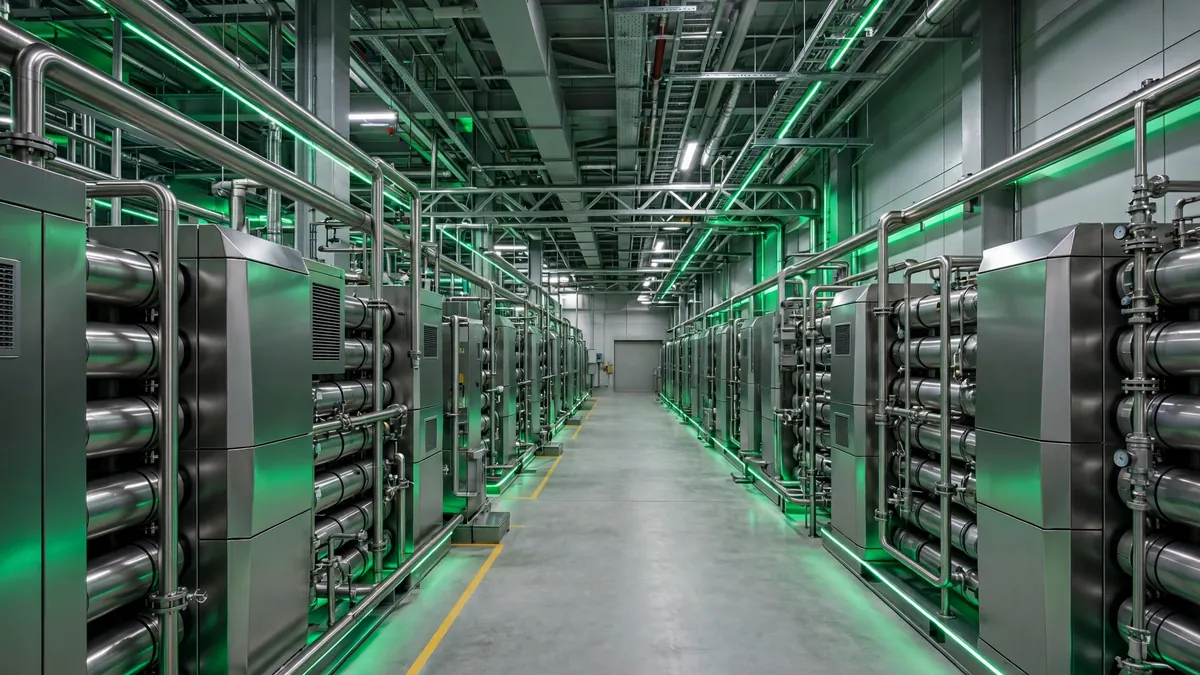
PEM Electrolyzer Stack Hydrogen Recirculation Dryer: Why 4A is Wrong and 5A Needed at >35 bara Differential Pressure
PEM water electrolyzer cathode recirculation dryer adsorbent selection: why 5A molecular sieve is required at >35 bara differential pressure (not 4A).…
Read Article →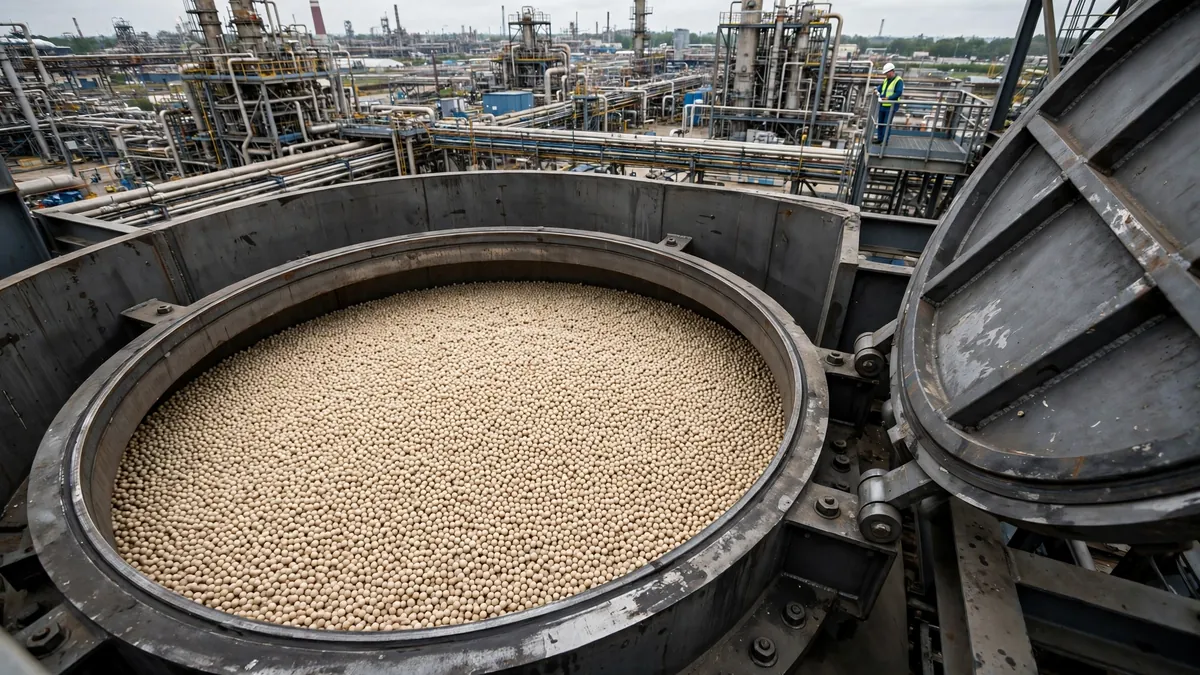
Vessel Cleaning Cost vs Bed Replacement Decision: ROI Calculator Methodology for Molecular Sieve and Activated Alumina Trayed Beds
Procurement engineering ROI calculator for deciding between chemical cleaning (CIP / acid wash) and full bed replacement of contaminated molecular sieve…
Read Article →